Understanding the Iron Wire Mesh Machine: Why It Matters on a Global Scale
Iron wire mesh machines may not grab headlines like some tech innovations, but they quietly underpin key industries worldwide. From construction and agriculture to humanitarian aid and infrastructure repair, these machines create the versatile wire mesh products that form the backbone of modern projects.
Understanding the iron wire mesh machine is important because globally, the demand for robust, adaptable materials only grows — driven by urbanization, disaster responses, and sustainable farming. This machine’s ability to produce quality meshes efficiently means safer buildings, better crop protection, and faster disaster relief setups.
Plus, grasping this technology gives engineers and supply chain specialists a leg up, ensuring they use resources wisely and maximize production speed and quality.
Iron Wire Mesh Machines in the Global Context: Demand Meets Innovation
The World Bank estimates that over 55% of the world’s population now dwells in urban areas, putting enormous stress on infrastructure (1). Concrete, steel, and reinforcements are more needed than ever, and iron wire mesh is a core component. It’s fascinating: when you boil it down, this machine directly supports global development goals for resilient infrastructure (2).
But we face challenges — labor costs rise, raw materials fluctuate, and quality standards tighten. This machine’s automated and reliable production responds to those pain points. In fact, ISO standards for welded mesh demand tight tolerances and consistent strength — standards only advanced machinery can hit repeatedly.
What Exactly Is an Iron Wire Mesh Machine?
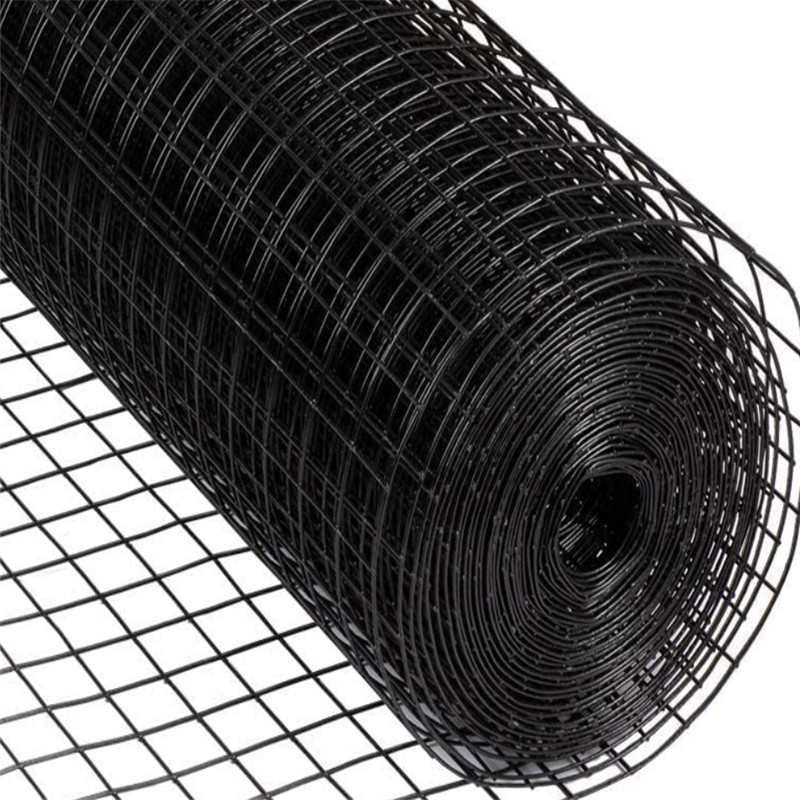
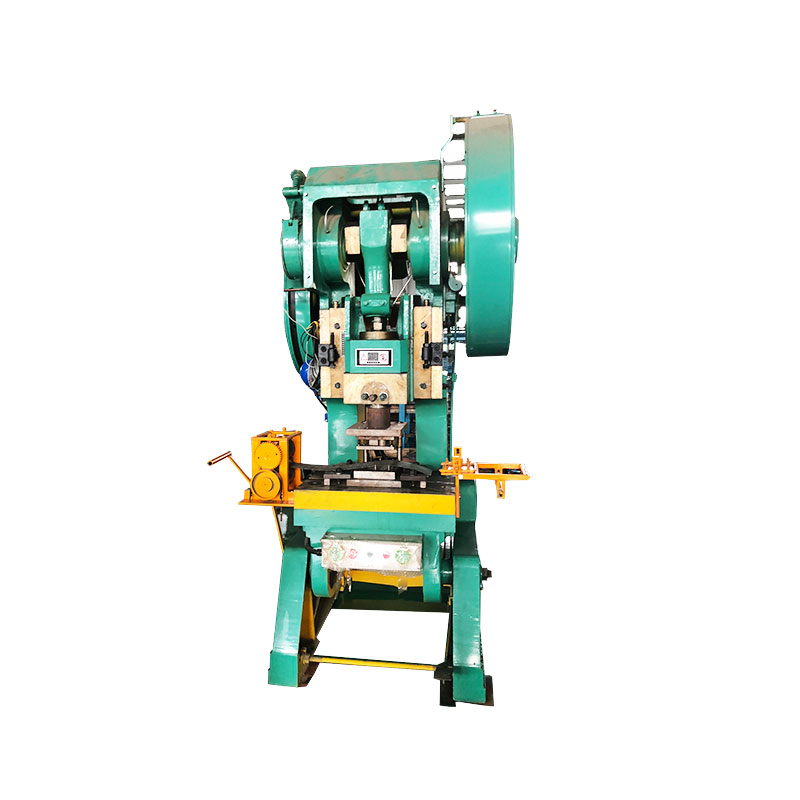
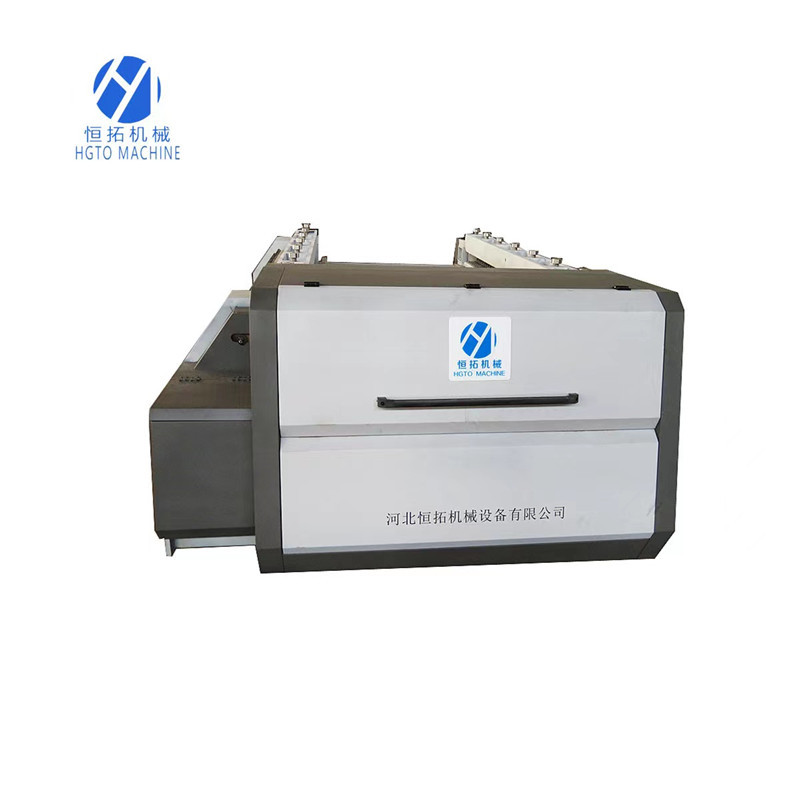
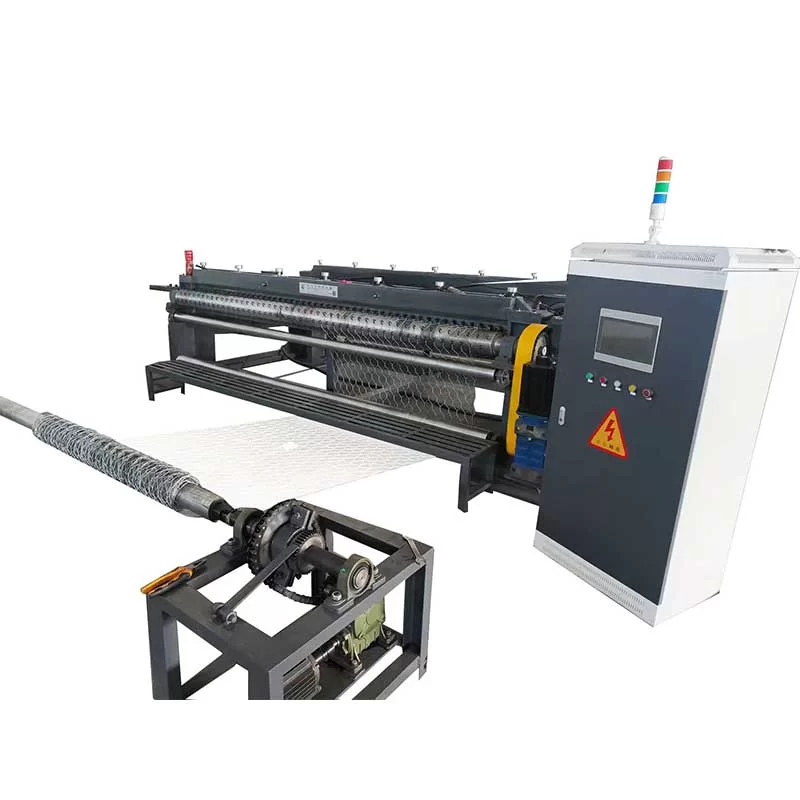
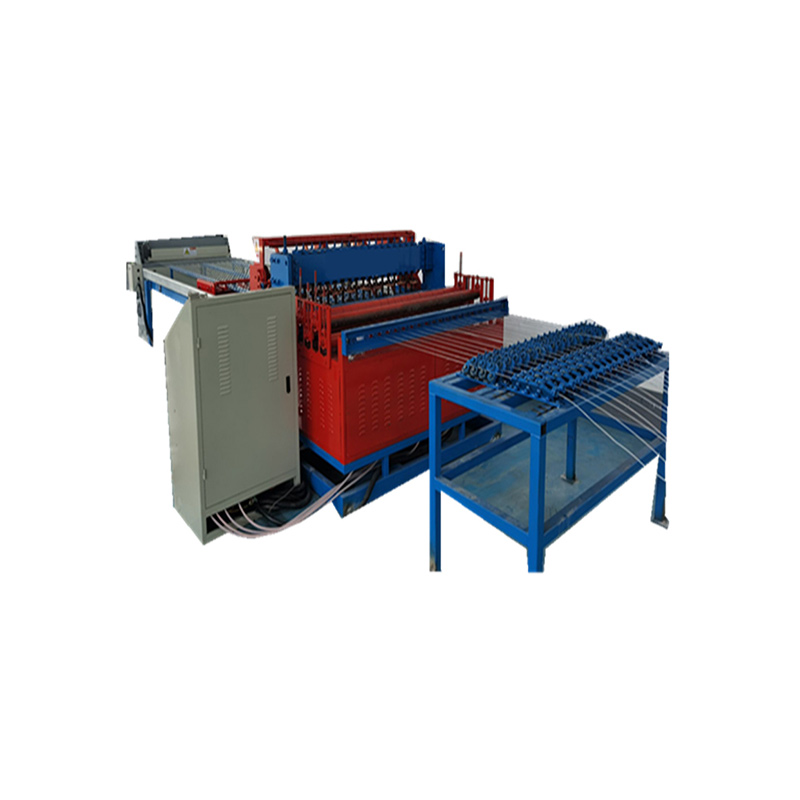
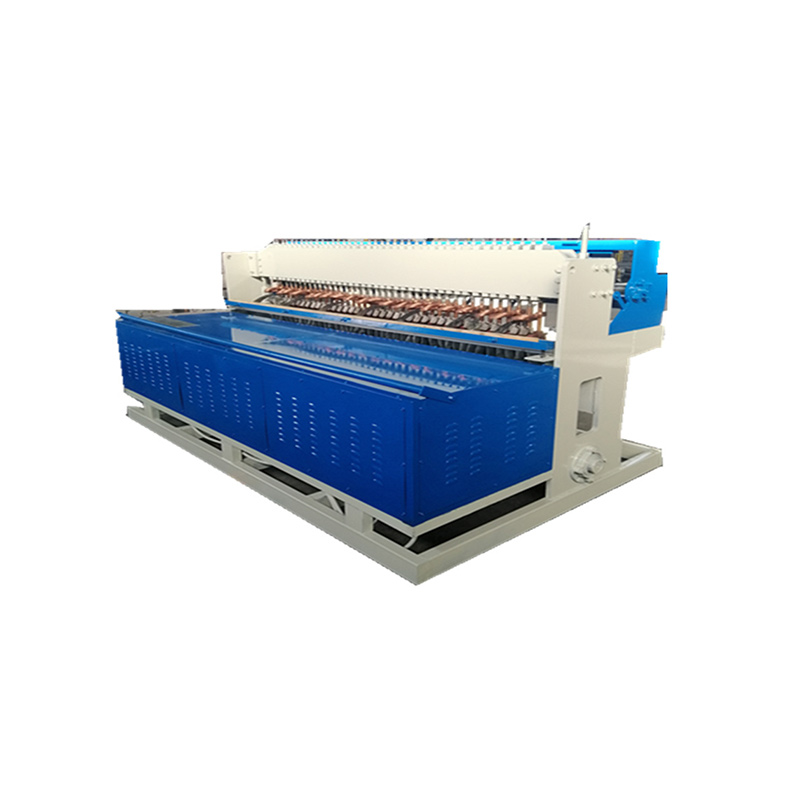
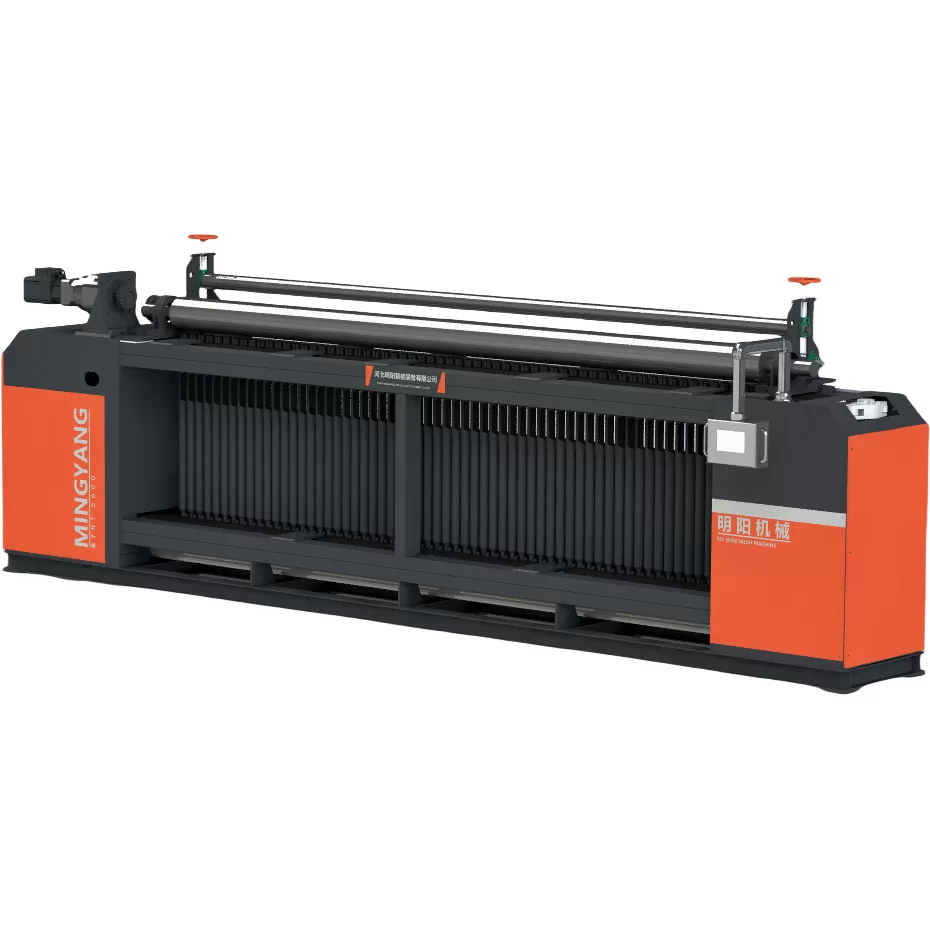
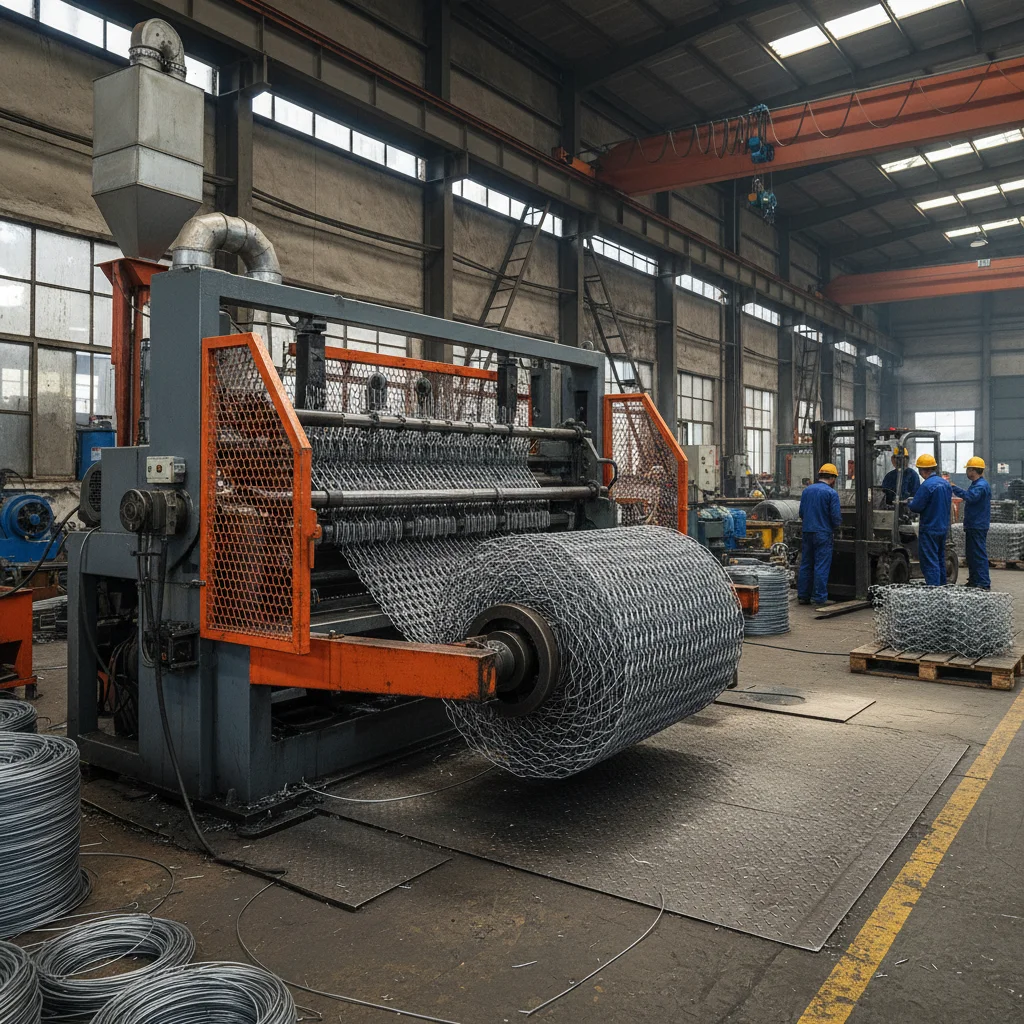
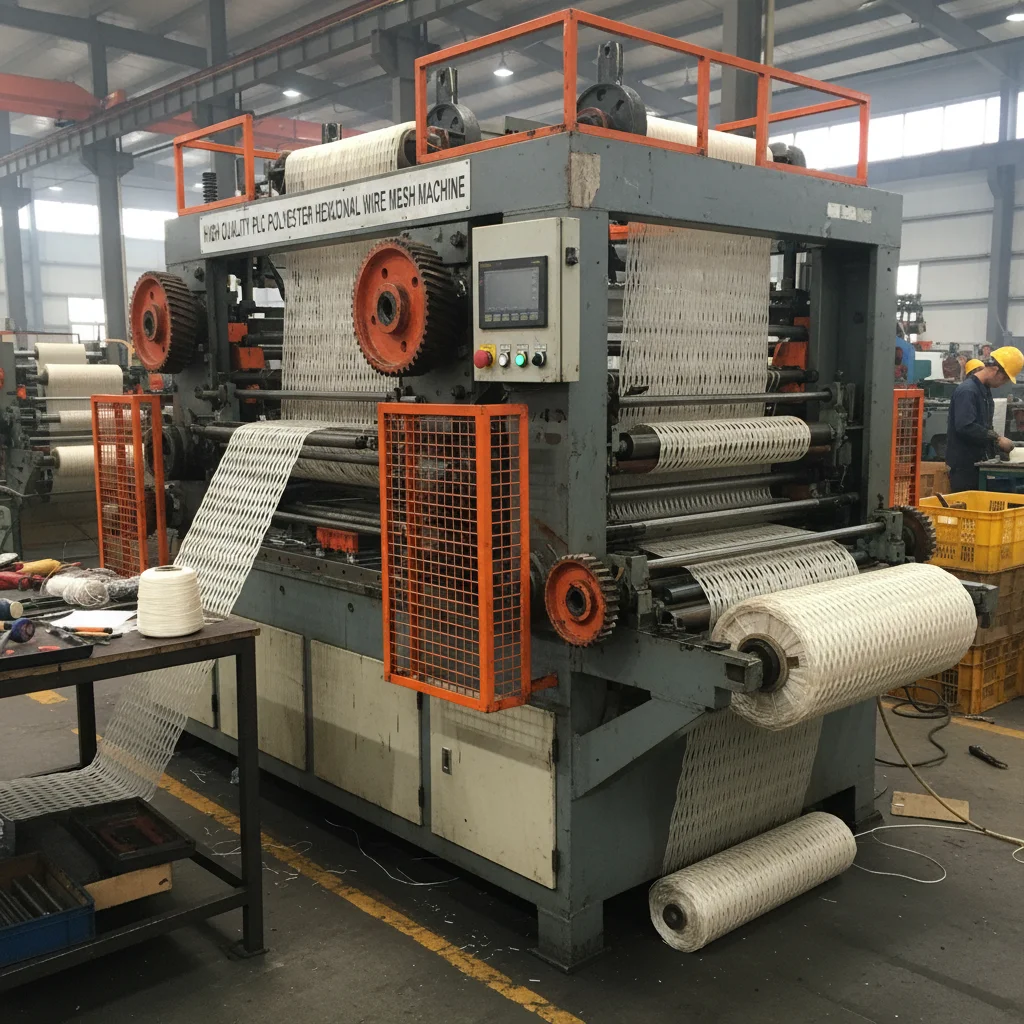
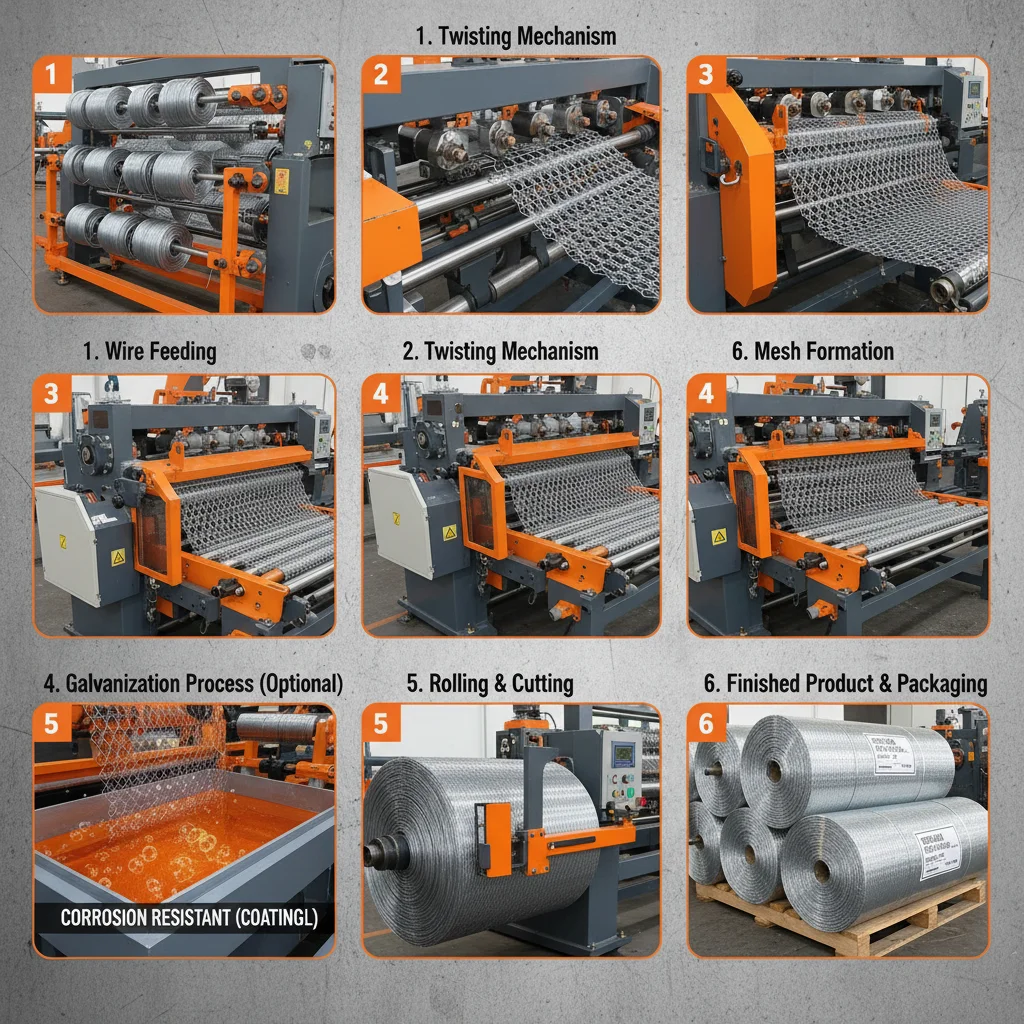
To put it simply, an iron wire mesh machine is an industrial setup designed to take raw iron wire and produce welded or woven mesh sheets. These sheets come in various sizes, wire gauges, and mesh configurations. The iron strands are fed in, welded or woven, and then cut or rolled, ready for construction, fencing, or even artistic uses.
It’s not just about the steel and wires. This machine serves modern industries by enabling rapid production of product staples — think reinforced concrete in skyscrapers or secure cages in farms. It’s oddly satisfying how mechanical precision translates to real-world strength and protection.
Key Factors to Consider in Iron Wire Mesh Machines
1. Durability & Build Quality
Many engineers say the machine’s frame and welding mechanism must withstand prolonged, heavy use without warping or losing accuracy. Raw iron wire is tough on equipment, so the machine’s internal components need to be industrial-grade steel, with precise calibration options.
2. Scalability & Output Speed
Companies vary hugely in demand—from small workshops to large manufacturing plants. The best machines offer scalability, capable of running nonstop shifts or quick batch jobs. Fast production doesn’t mean sloppy work here; it’s about balancing speed with tight welds and uniform mesh.
3. Cost Efficiency & Energy Use
Running costs matter. The latest models incorporate energy-saving technology or optimized wire feeding systems, reducing overall power consumption. This directly cuts expenses and carbon footprint — which is great news as industries push green manufacturing.
4. Customization & Precision
A top iron wire mesh machine features adjustable mesh sizes, thickness settings, and automated quality checks. You want to specify wire thickness as fine as 0.7 mm or as robust as 6 mm, depending on application—precise control means less waste, happier clients.
5. Ease of Maintenance & Training
No one enjoys downtime or long, complicated servicing routines. Machines that are user-friendly and have accessible components save weeks of annual production time. Many vendors offer training and remote support, underscoring the importance of know-how, not just hardware.
Product Specifications of a Typical Iron Wire Mesh Machine
| Specification |
Details |
| Wire Diameter Range | 0.7 mm – 6 mm |
| Mesh Size Range | 10 mm x 10 mm to 100 mm x 100 mm |
| Max Mesh Sheet Size | 2m x 6m |
| Production Speed | Up to 100 sheets/hour |
| Power Consumption | Approx. 10 kW |
| Automation Level | Semi-automatic to fully automatic |
Global Applications & Real-World Use Cases
Iron wire mesh machines aren’t just factory equipment hidden away in industrial zones. They have real impact worldwide:
- Construction: Reinforced concrete in buildings, bridges, and highways uses mesh for strength and durability in places like Southeast Asia and the Middle East.
- Agriculture: Protective fencing and trellises made from wire mesh help Kenya’s smallholder farmers reduce crop theft and pest damage.
- Disaster Relief: NGOs in flood-prone Bangladesh use rapidly produced mesh barriers and reinforcements to rebuild homes quickly.
- Industrial Fencing: Factories in Eastern Europe rely on tough wire mesh fences for security and safety compliance.
For example, a small manufacturer in Poland recently upgraded their iron wire mesh machine to a modern version and reports a 30% boost in production speed — critical in meeting local infrastructure project deadlines.
The Advantages that Make Iron Wire Mesh Machines a Long-Term Investment
The benefits are tangible:
- Cost savings: Automation cuts labor costs, while precision reduces waste of raw materials.
- Sustainability: Optimized production and energy efficiency fit today’s green manufacturing goals (3).
- Reliability & Safety: Consistent mesh quality leads to safer, longer-lasting structures.
- Social Impact: Faster mesh production means quicker responses to community needs and disaster rebuilding.
Emotionally, it feels good to know that behind these machines lies a mix of innovation and social responsibility, helping build safer, stronger communities.
Looking Ahead: Future Trends & Innovations in Iron Wire Mesh Technologies
Oddly, the humble iron wire mesh machine is evolving rapidly:
- Digital Control Systems: Smart machines now allow remote monitoring, predictive maintenance, and AI-driven quality control.
- Green Materials: Integration with recycled steel inputs reduces environmental impact.
- Automation: Full robotic line setups reduce human error and increase throughput.
- Customization: On-demand mesh shapes and coatings tailored to specific industrial or climatic needs.
These trends mean the machine won’t just be a steel bender; it will become a hub of industrial intelligence.
Challenges in the Industry & How They Are Addressed
Of course, there are hurdles:
- Raw Material Fluctuations: Iron price volatility can hike costs unpredictably.
- Maintenance Downtime: Without regular upkeep, the machine’s precision suffers.
- Skilled Workforce Shortages: Operating complex machinery requires well-trained staff.
Solutions come from combining vendor support, flexible supply contracts, and ongoing operator training programs — something leading manufacturers increasingly emphasize.
Vendor Comparison Table: Top Iron Wire Mesh Machine Providers
| Vendor |
Automation Level |
Price Range (USD) |
Warranty |
Support & Training |
| HT Mesh Machines |
Semi-Automatic / Fully Automatic |
30,000 - 70,000 |
2 Years |
Comprehensive remote & onsite |
| SteelPro Tech |
Fully Automatic |
50,000 - 90,000 |
3 Years |
Premium support package |
| Global Mesh Co. |
Semi-Automatic |
25,000 - 60,000 |
1 Year |
Basic online tutorials |
FAQ: Frequently Asked Questions About Iron Wire Mesh Machines
Q1: How does the iron wire mesh machine improve construction safety?
The machine produces uniform, tightly welded mesh that enhances reinforced concrete strength. This consistent quality reduces weak points in structures, ultimately improving safety standards in buildings and infrastructure.
Q2: What maintenance is required to keep the machine running optimally?
Regular cleaning of welding heads, lubrication of moving parts, and calibration checks are essential. Many machines come with user-friendly maintenance guides, and periodic professional servicing is recommended to avoid costly downtime.
Q3: Can these machines produce customized mesh sizes for special projects?
Yes, most modern machines offer adjustable mesh size and wire gauge options. This flexibility allows manufacturers to meet specific project requirements, from fine fencing to heavy-duty industrial mesh.
Q4: Are there eco-friendly options when choosing an iron wire mesh machine?
Absolutely. Many vendors now incorporate energy-saving components and support the use of recycled steel wire, which helps reduce overall environmental impact during production.
Q5: How easy is it for small manufacturers to adopt advanced iron wire mesh machines?
Many machines are scalable and semi-automatic, suitable for smaller operations. Vendors often provide training and flexible payment options, making it accessible for smaller manufacturers to upgrade.
Final Thoughts: Investing in Iron Wire Mesh Machines for Sustainable Growth
Looking beyond the wires and welds, the iron wire mesh machine is a quiet hero in shaping safer, stronger, and more sustainable infrastructure worldwide. It’s not just a tool; it’s a critical link between raw materials and resilient communities. If you’re seeking reliability combined with the latest tech, visiting our website is definitely the next step.
Mini takeaway: The iron wire mesh machine is more than metal bending — it’s about durability, adaptability, and forward-looking innovation that’s reshaping global industries one mesh at a time.
References:
1. United Nations. World Urbanization Prospects, 2022 Edition. population.un.org/wup/
2. ISO 17666-1:2022 - Steel wire mesh for concrete reinforcement — Welded steel wire fabric standards.
3. World Bank. Green Manufacturing and Energy Efficiency Overview. worldbank.org/en/topic/energy