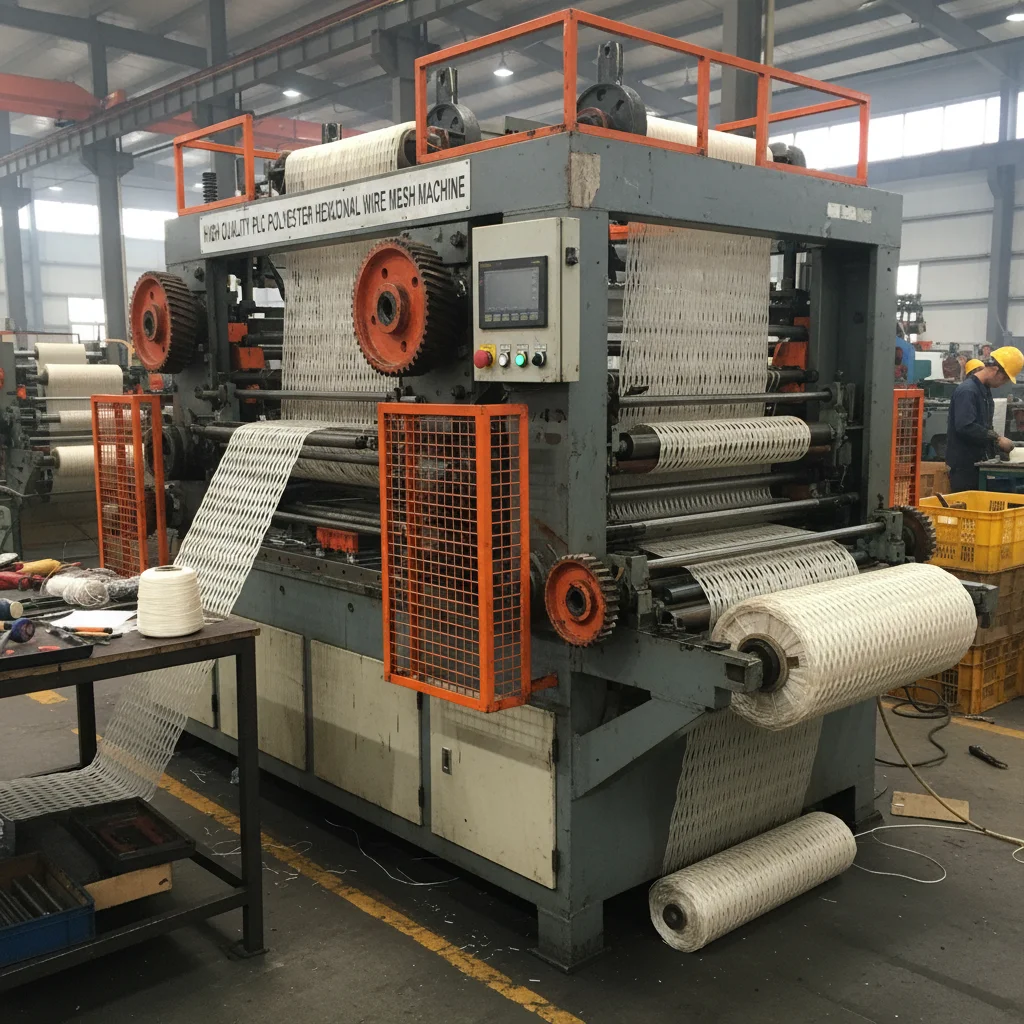
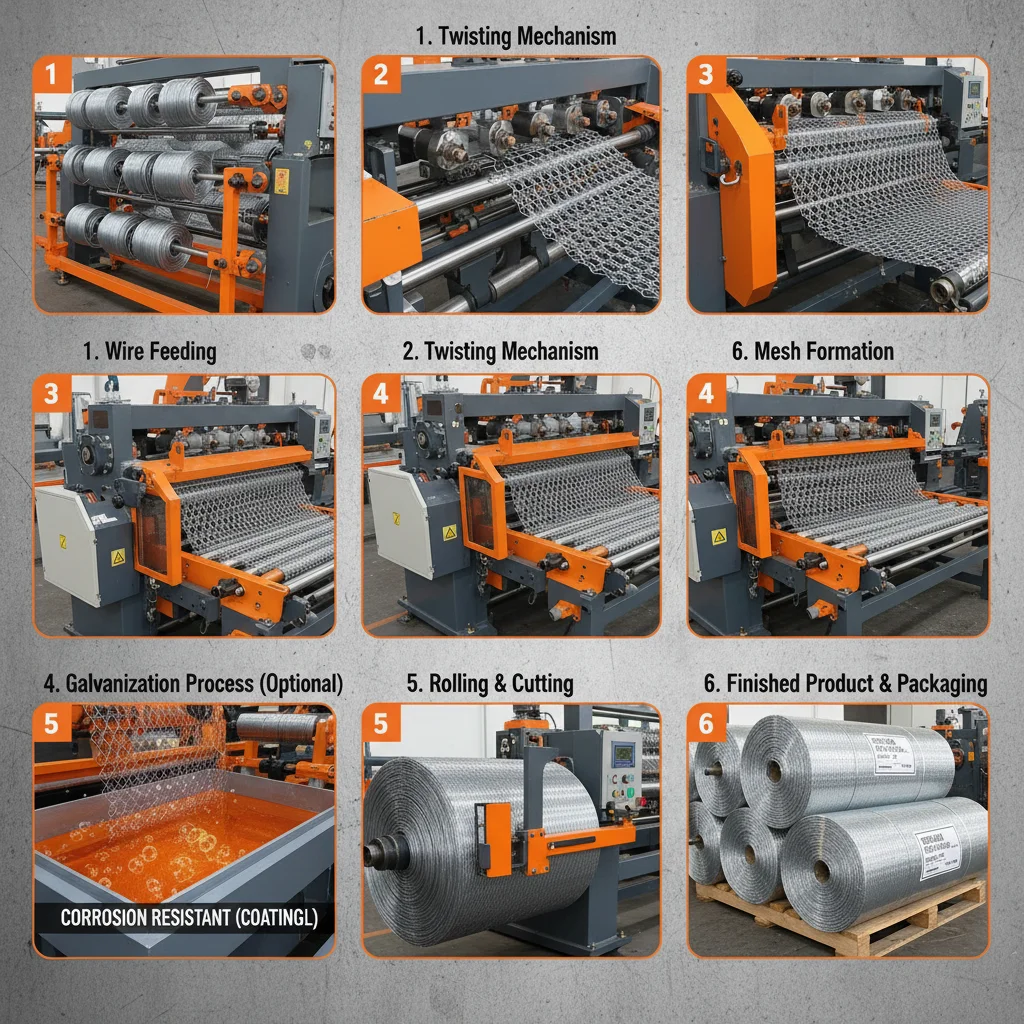
Understanding High Speed Wire Drawing Machines: Why They Matter Globally
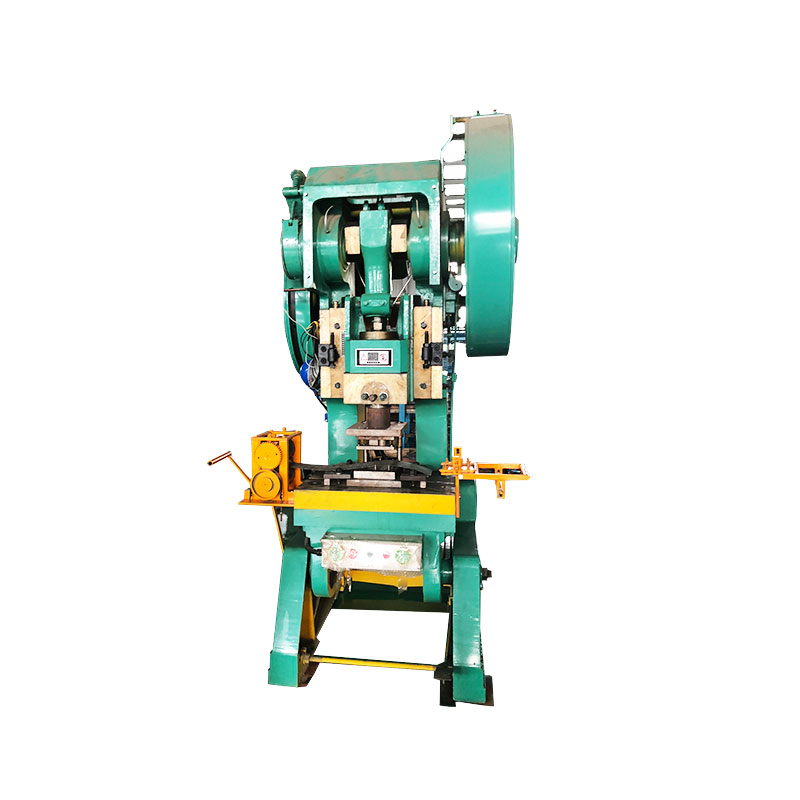
If you've ever wondered how those ultra-thin wires, used in everything from power cables to intricate electronics, come to be, then the high speed wire drawing machine is probably behind it all. In a nutshell, this specialized industrial equipment transforms thick metal rods into slender wires, and it does so at remarkable speeds. Taking a glance at global manufacturing trends, wire drawing is fundamental in the supply chains powering everything from energy distribution networks to medical devices. Understanding the nuances of this machine is not merely about appreciating some factory marvel; it’s about grasping a technology that fuels innovation, infrastructure development, and even humanitarian efforts worldwide.
Frankly, as the demand for lightweight, efficient wiring grows—partly driven by global digitalization and green energy transitions—the role of high speed wire drawing machine steps up in importance. The better we get at drawing wire faster and more precisely, the more we enable industries to meet their aggressive goals without sacrificing quality or environmental responsibility.
The Global Context: Why the High Speed Wire Drawing Machine Is More Relevant Than Ever
According to the International Energy Agency and ISO manufacturing statistics, production volumes for fine wires have soared over the past decade, with sectors like telecommunications installing millions of kilometers of copper and aluminum wiring annually. At the same time, challenges like resource scarcity and environmental regulations push manufacturers to optimize processes.
The challenge? Traditional wire drawing methods struggle with speed and precision, especially when working with tougher alloys or ultra-fine diameters required by modern applications. Enter the high speed wire drawing machine—designed with sophisticated controls and durable materials capable of handling extreme workloads efficiently.
What Exactly Is a High Speed Wire Drawing Machine?
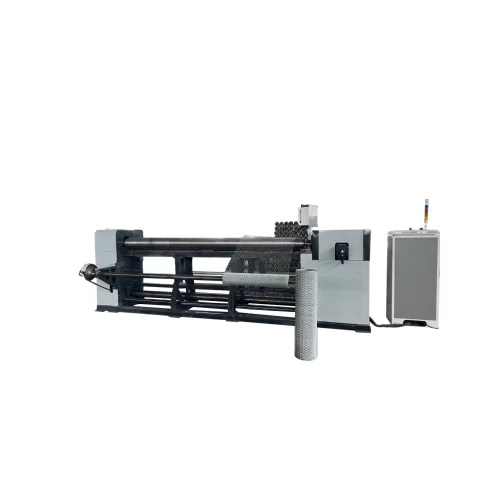
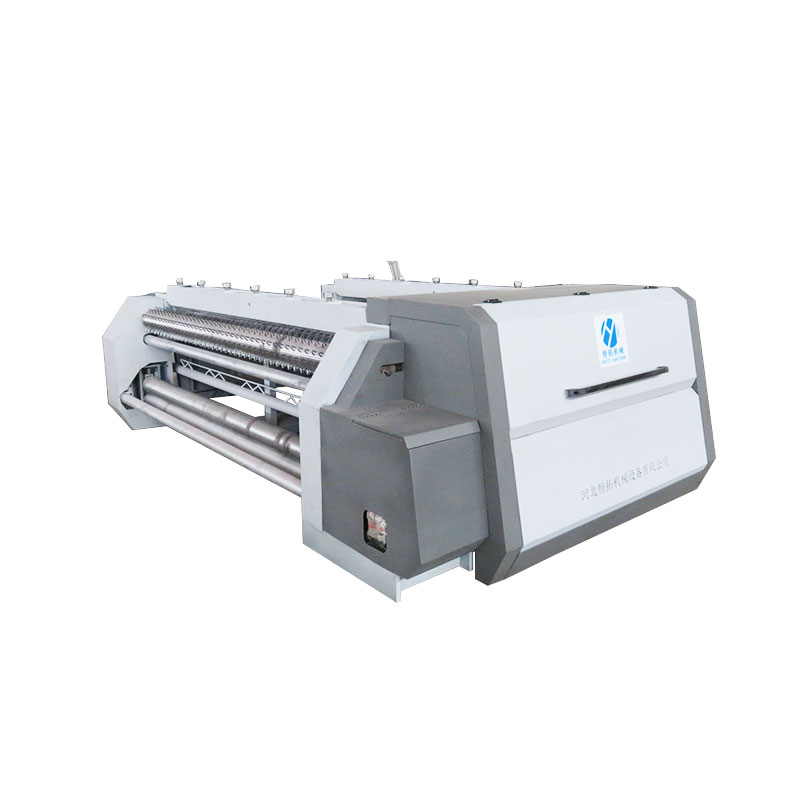
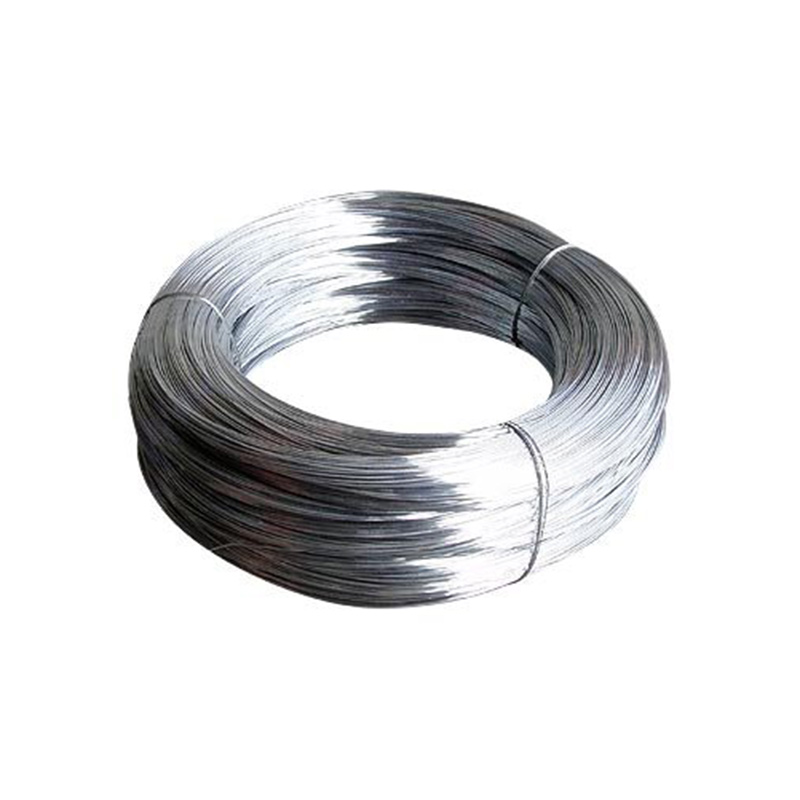
Breaking it down, a high speed wire drawing machine is an industrial apparatus that pulls metal rods through a series of dies—essentially tiny holes—gradually reducing the rod’s diameter until it becomes a wire of the desired thickness. The “high speed” bit refers to its ability to perform this operation at much faster rates than standard machines, often while maintaining tight tolerances and excellent surface finish.
The invention and refinement of these machines are crucial as industries pursue finer gauges and better mechanical properties for wire products. Whether it’s for the insulation of power grids or the cabling deep inside your smartphone, these machines quietly handle the grunt work behind the scenes.
Core Components and Features Shaping Performance
1. Durability
Many high speed wire drawing machines are crafted using hardened steels and composites to withstand intense tensile forces. The reliability of these machines directly impacts product consistency and downtime—two things no manufacturer wants to gamble with.
2. Precision Control Systems
Advanced servo motors and computerized control units allow manufacturers to tweak parameters on the fly, ensuring that wire thickness and surface quality stay within tight industry tolerances. It’s almost like the machine “knows” when to slow down or speed up for best output.
3. Scalability
These machines come in various sizes and throughput capabilities, making them suitable for anything from small workshops producing specialty wires to huge industrial complexes churning out thousands of kilometers of wire monthly.
4. Cost Efficiency
The energy efficiency and rapid operations reduce total costs substantially. Some manufacturers have reported up to 30% energy savings compared to older equipment—a non-trivial advantage when dealing with energy-hungry factories.
5. Automation Compatibility
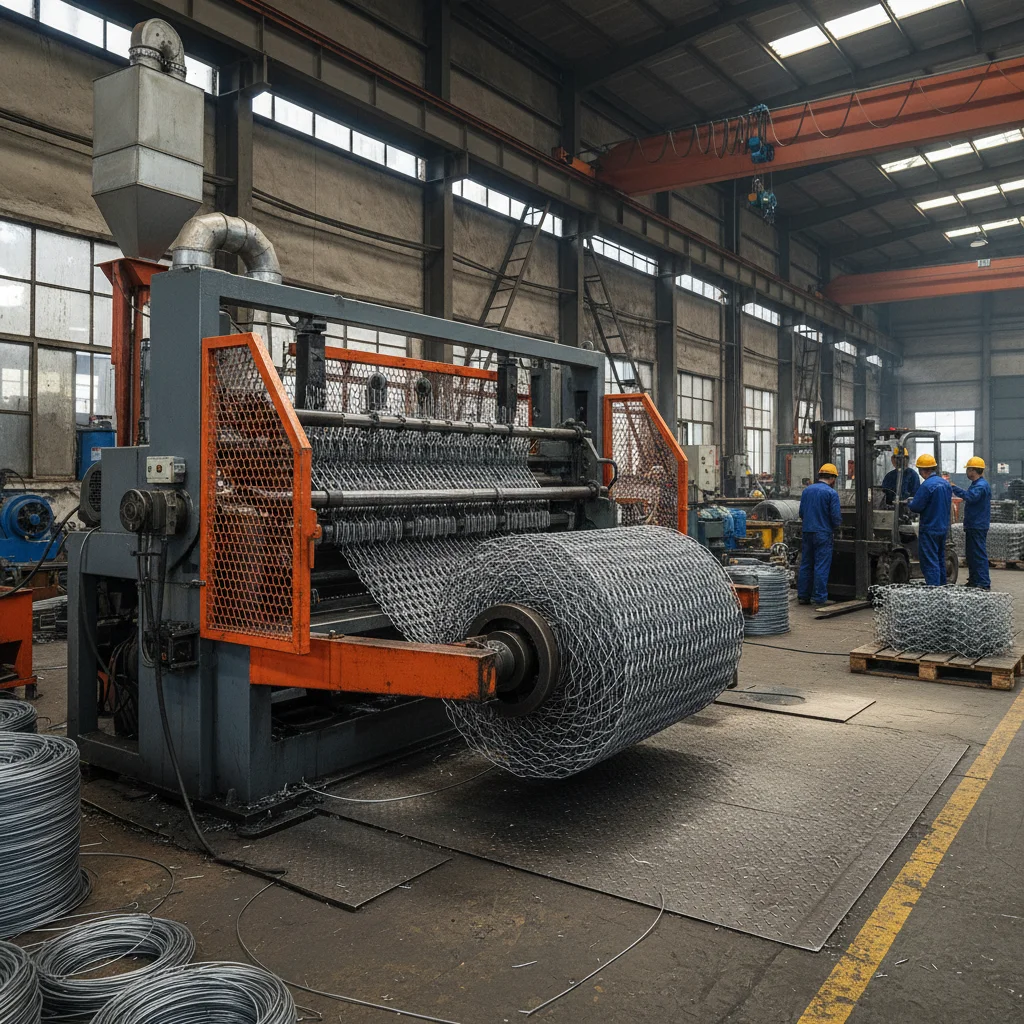
Integration with robotic systems and automated feeding mechanisms means that wires can be drawn, spooled, and packaged with minimal human intervention—ideal for maintaining quality and safety while cutting labor costs.
Specifications That Make a Difference
| Specification |
Typical Range / Feature |
| Maximum Drawing Speed |
Up to 300 m/min |
| Wire Diameter Range |
0.1 mm to 10 mm |
| Material Compatibility |
Copper, Aluminum, Stainless Steel, Alloys |
| Control System |
PLC with HMI interface |
| Power Consumption |
Approx. 15-30 kW depending on size |
Real-World Applications: From Factories to Humanitarian Missions
You might think wire drawing is purely industrial — well, yes and no. In heavy industry, these machines help manufacture cables for smart grids, automotive wiring harnesses, and telecommunications infrastructure. Regions experiencing rapid urbanization, like Southeast Asia and parts of Africa, depend on this machinery to meet exploding demand.
Oddly enough, in post-disaster relief scenarios, flexible and reliable wiring can be vital for temporary power setups and communications. Aid organizations often source copper and aluminum wires produced from such machines to quickly restore electricity in affected areas.
In remote industrial zones—mining or oil extraction sites—durable cables made using high speed wire drawing machines support heavy machinery under extreme conditions. Without these cables, operations could stall dramatically.
Vendor Comparison: Finding the Right Partner
| Vendor |
Max Speed (m/min) |
Material Support |
Automation Level |
Energy Efficiency |
| HTM Industries |
300 |
Copper, Aluminum, Stainless Steel |
High – full PLC & robotic feeder |
30% better than average |
| WireTech Corp. |
280 |
Copper, Alloys |
Moderate |
Standard |
| GlobalDraw Solutions |
260 |
Copper, Aluminum |
Basic automation |
Cost-effective |
Advantages of Using a High Speed Wire Drawing Machine
- Cost Reduction: Faster production means less energy consumed per meter of wire.
- Precision: Critical for applications demanding uniform electrical and mechanical properties.
- Sustainability: Modern machines reduce waste and enable recycling-friendly processes.
- Reliability: Less downtime and fewer defects translate to trust in supply chains.
- Social Impact: Faster production can help deliver infrastructure rapidly, touching quality of life around the world.
Honestly, I’ve chatted with a few wire manufacturing engineers, and one thing they all agree on is how these machines can change the game—sometimes it’s just about saving 15-20% of time per batch, but that adds up, you know? In many ways, it’s innovation meeting everyday industrial demands.
Looking Ahead: Innovations in Wire Drawing Machines
The future’s bright, and a bit automated. Expect to see increasing embracement of Industry 4.0 principles—machines equipped with IoT sensors reporting status and predictive maintenance alerts. Also, materials science is pushing boundaries, with new alloy wires that need even finer drawing capabilities.
Green energy considerations are major too. Using power-efficient motors and regenerative braking systems is becoming a standard requirement. It feels a bit like watching a traditional craft adapting to the digital age.
Common Challenges and How to Overcome Them
No tech is perfect. For wire drawing machines, managing heat during drawing or dealing with die wear presents ongoing headaches. But, new cooling technologies and advanced die coatings are making a big difference.
Plus, integrating automation can be tricky at first—there’s always a learning curve. But with training and vendor support, manufacturers can unlock tremendous efficiency gains.
FAQs About High Speed Wire Drawing Machines
- Q: What materials can a high speed wire drawing machine handle?
A: Most machines support metals like copper, aluminum, stainless steel, and various alloys. Check manufacturer specs for specialty materials.
- Q: How does automation improve wire drawing operations?
A: Automation reduces human error, ensures consistent output, and enables continuous production with minimal downtime.
- Q: Are high speed wire drawing machines energy-efficient?
A: Modern models incorporate energy-saving motors and controls, sometimes reducing energy consumption by up to 30% compared to older systems.
- Q: What maintenance is required for these machines?
A: Regular inspection of dies, lubrication, and software updates are essential. Predictive maintenance using IoT sensors is becoming standard.
- Q: Can these machines be customized for small or large scale production?
A: Yes, manufacturers offer scalable models tailored to specific production needs, from prototype labs to large industrial lines.
Wrapping Up: Why Invest in High Speed Wire Drawing Machines?
In real terms, embracing a high speed wire drawing machine is about more than just faster production—it’s about unlocking precision, sustainability, and global competitiveness all at once. As industries evolve rapidly, having this reliable backbone technology is key to meeting tomorrow’s demands.
If you're looking to explore advanced wire drawing solutions or want to upgrade your current setup, take a look at industry leaders that combine cutting-edge tech with expert support. Your next big manufacturing leap might just be a fast draw away.
Visit https://www.htmeshmachines.com to discover how to take your wire production to the next level.
Mini takeaway: Understanding how high speed wire drawing machines transform raw metal into essential wiring highlights their role in powering global infrastructure and innovation. They’re more than machines; they’re enablers of connectivity and progress.
References
- Wikipedia: Wire drawing
- ISO manufacturing standards
- International Energy Agency