The Rising Significance of Inverted Vertical Wire Drawing Machines
If you’re somewhat immersed in metal fabrication or wire production, you might have come across the term inverted vertical wire drawing machine without having a clear picture of why it matters so much. Globally, industries from electrical wiring to automotive parts rely heavily on the quality and precision of wire drawing equipment. Simply put, understanding these specialized machines means better product quality, improved efficiency, and a tangible impact on manufacturing costs worldwide.
In an increasingly interconnected industrial landscape, where supply chain resilience and sustainability crop up in boardroom talks, the inverted vertical wire drawing machine stands out as an innovation riding the waves of increasing demand for stronger, lighter, and more reliable wire materials.
Why The Inverted Vertical Wire Drawing Machine Matters on a Global Scale
According to the International Electrotechnical Commission (IEC) and ISO standards, wire drawing is a key process influencing everything from telecommunications cables to aircraft wiring harnesses. The global wire and cable market was valued at roughly $140 billion in 2023, with a sturdy forecast for steady growth — driven not just by tech and construction but also by infrastructure rebuilding in emerging markets.
But here’s the rub: traditional horizontal wire drawing setups often struggle with space and energy efficiency. The inverted vertical wire drawing machine flips that challenge upside down – literally – by optimizing vertical space usage and often allowing for easier maintenance and faster production cycles. This shift is crucial especially in tight factory floors or in regions where energy resources might be constrained.
What is an Inverted Vertical Wire Drawing Machine?
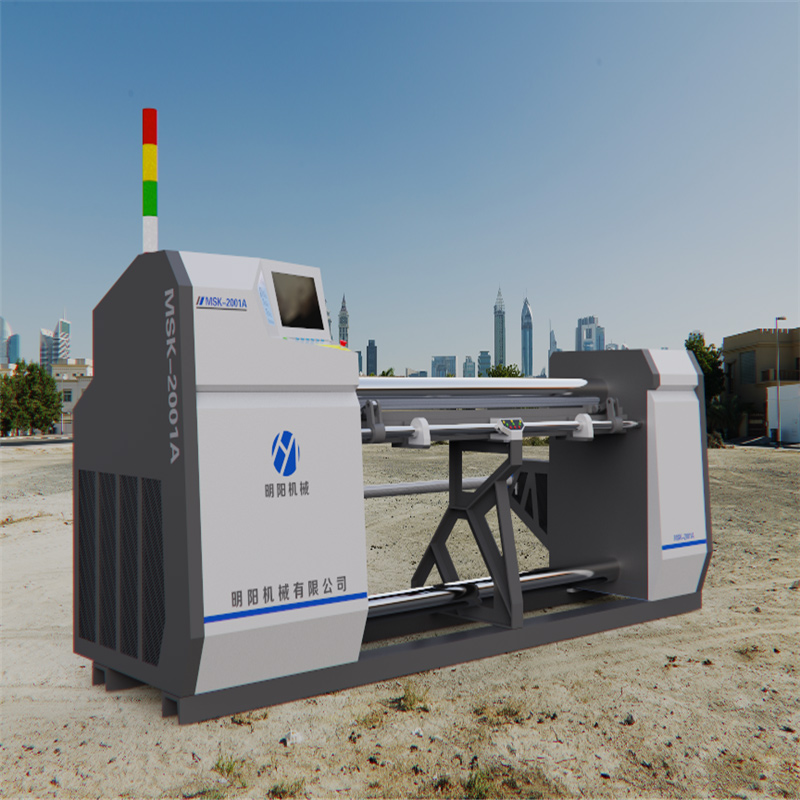
At its core, this machine is a wire drawing system arranged so that the wire passes vertically downward through a series of dies and drawing blocks. Unlike conventional horizontal machines, the layout leverages gravity to assist wire movement, reduce tension problems, and improve final wire quality.
This design aligns perfectly with modern manufacturing demands for precision and scalability. It’s no coincidence the inverted vertical wire drawing machine is gaining momentum in energy-efficient production lines and the automation wave transforming factories.
Mini takeaway: The inverted vertical arrangement doesn’t just save floor space—it uses physics as an ally for better wire quality and efficiency.
Core Components and Features That Define This Machine
1. Die Blocks and Drawing Dies
These crucial parts shape and reduce the wire’s diameter. Made from tungsten carbide or diamond-coated materials for durability, they determine surface finish and mechanical properties after drawing.
2. Vertical Arrangement Frame
The sturdy vertical frame supports multiple drawing stages stacked above one another, cutting down factory footprint and making it simpler to string together complex drawing sequences.
3. Tension Control System
Precise tension tension across wire length is vital to avoid snapping and to ensure uniform elongation. Gravity assistance simplifies tension management but automated tension controls maintain consistent drawing speed.
4. Lubrication System
Maintaining the right lubrication throughout the drawing process reduces friction and prolongs both die and wire life. Many machines now feature automatic continuous lubrication to reduce downtime.
5. Motor and Drive Components
Energy-efficient motors combined with variable frequency drives allow operators to tweak speeds and torque for different wire grades and production speeds.
Mini takeaway: It’s the combination of smart mechanical design and automation that makes the inverted vertical wire drawing machine a staple for modern wire manufacturers.
Global Applications and Industry Use Cases That Make a Difference
Time to get real about where these machines shine. They’re heavily used in:
- Electrical Wire Production: delivering thinner, stronger cables for everything from home wiring to data centers.
- Automotive Industry: manufacturing durable wire harnesses that endure vibration and heat.
- Construction: producing steel wire rods and cables for reinforced concrete and bridges.
- Post-Disaster Infrastructure: In some remote disaster zones, compact vertical machines allow fast, local wire production when traditional supply chains are disrupted.
For example, many factories in Southeast Asia and Eastern Europe have adopted inverted vertical machines to maximize limited factory space, reduce energy consumption, and supply booming markets with high-quality wire products.
Mini takeaway: This machine’s flexibility and compactness mean it’s particularly suited for emerging markets and specialized production lines alike.
Advantages & Long-Term Value From Using Inverted Vertical Wire Drawing Machines
From a cost perspective, users report a roughly 15-20% energy saving relative to similar horizontal setups, thanks to the gravity-fed wire path requiring less mechanical pull force. That translates quickly into production cost reduction.
Social and environmental benefits are no less important. Reduced factory footprint allows manufacturers to minimize site size or retrofit existing spaces without costly expansions. Plus, better lubrication systems mean less waste and longer tool life, cutting down raw material consumption.
On an emotional level, operators often report less machine noise and vibration, creating a safer, more pleasant factory environment. Over time, reliability fosters trust with clients who depend on consistent high-quality output for mission-critical applications.
Technical Specifications: Typical Inverted Vertical Wire Drawing Machine
| Feature |
Specification |
| Max Wire Diameter Input |
12 mm |
| Final Wire Diameter Output |
0.2 mm |
| Number of Die Stages |
6 – 12 |
| Motor Power |
7.5 – 22 kW |
| Machine Footprint |
2.5 m (width) × 1.2 m (depth) × 3.5 m (height) |
| Lubrication |
Automatic continuous lubrication system |
Vendor Comparison: Top Inverted Vertical Wire Drawing Machine Manufacturers
| Manufacturer |
Machine Range (kW) |
Customization Options |
Energy Efficiency Features |
Typical Lead Time |
| HT Mesh Machines |
7.5 – 20 |
Custom die sizes & layout, automation upgrades |
Variable frequency drives, optimized frame design |
8–10 weeks |
| WirePro Tech |
10 – 22 |
Advanced PLC control, remote monitoring |
Auto lubrication, heat recovery systems |
12 weeks |
| MetDraw Equipments |
5 – 15 |
Basic customization, manual lubrication |
Standard motors, limited automation |
6–8 weeks |
Looking Forward: Trends and Innovations Shaping Wire Drawing
The future of inverted vertical wire drawing machines looks bright — and greener. Materials science advances are pushing die coatings to last longer and resist heat better, while AI-powered tension control systems promise near-zero defects and easier operator use.
Digital twins and factory IoT integration are also making waves, allowing predictive maintenance and real-time quality monitoring — so no more nasty surprises mid-shift. Oddly enough, as factories get smarter, old-school vertical designs are finding new life in modern ‘smart’ plants.
Hurdles and How the Industry Tackles Them
Naturally, nothing’s perfect. Some manufacturers find sourcing premium dies expensive, or worry about training operators for the more compact vertical setups. Also, adapting older production lines to inverted vertical machines can require up-front capital investment.
The clever workaround? Modular design and leasing options are easing entry costs, while online learning platforms help operators get up to speed quickly without halting production. Industry consortia also push standardization to keep tooling compatible and affordable.
FAQs: What You’re Really Asking About Inverted Vertical Wire Drawing Machines
Q1: How does an inverted vertical wire drawing machine save factory space?
A1: Because the machine is arranged vertically rather than horizontally, it stacks drawing stages one above another. This compact footprint means less floor space is used compared to extended horizontal lines, making it ideal for cramped workshops or retrofits.
Q2: Can these machines handle different wire diameters?
A2: Absolutely. Most machines are designed with adjustable dies and modular setups that can handle a range from about 12 mm input diameter down to fraction-of-a-millimeter outputs, catering to diverse product specs.
Q3: Are inverted vertical wire drawing machines energy efficient?
A3: Yes, thanks to gravity help and advanced motor systems like variable frequency drives, users often see 15-20% energy savings versus traditional horizontal machines, making them a greener industrial choice.
Q4: How do manufacturers maintain wire quality during vertical drawing?
A4: The machine carefully controls tension and lubrication with automated systems ensuring smooth wire feeds. The vertical design also minimizes sagging and uneven stretching, resulting in consistent wire diameter and surface finish.
Q5: Where can I see these machines in action or get more information?
A5: Many manufacturers provide virtual demos or site visits. One reliable place to start is HT Mesh Machines, known for custom inverted vertical wire drawing solutions and excellent customer support.
Wrapping It Up: Why This Machine Is Worth Your Attention
The inverted vertical wire drawing machine isn’t just a new angle on an old process – it’s a real leap in industrial design, marrying space-saving cleverness with energy efficiency and production quality. Whether you’re in a bustling factory in Asia or a niche wire supplier in Europe, its long-term benefits translate to better costs, safer workplaces, and greener factories.
If you want to dive deeper into your wire manufacturing capabilities or explore tailored solutions, I recommend visiting HT Mesh Machines — they really know their stuff when it comes to these machines.
References
- ISO Wire Drawing Standards
- Wikipedia: Wire Drawing
- International Energy Agency: Global Material Flows