Understanding the Global Impact of Wire Drawing Machine Manufacturers
Wire drawing machine manufacturers play a quietly pivotal role in the vast landscape of manufacturing and infrastructure development worldwide. These manufacturers design, produce, and service the machines that transform raw metal rods into fine wires—wires that eventually form the backbone of countless industries. From telecommunications to automotive, construction to electronics, the products originating from these machines underpin the modern world.
Why does this matter? Well, the rise of urbanization, smart grids, renewable energy projects, and expanding internet networks all demand ever finer, stronger, and more reliable wiring. Recognizing the manufacturers who make these machines — and how they innovate — sheds light on the supply chains fueling global progress. Plus, understanding this niche helps stakeholders optimize cost, quality, and sustainability across sectors.
The Global Context: Why Wire Drawing Machine Manufacturers Matter Today
Looking at the numbers from the International Organization for Standardization (ISO) and the World Bank, the demand for metal wire products is skyrocketing. The wire drawing machine market is projected to grow by over 5% annually worldwide through 2028, driven by the electronics boom and green energy systems like wind turbines and solar panels, which all need high-grade wiring.
Yet it's not just volume. The quality bar is rising steeply. Difficult-to-draw metals like copper alloys and stainless steel are challenging equipment to handle efficiently. So manufacturers face a key question: how to meet massive demand while respecting environmental and cost constraints? That’s where advancements in wire drawing machine technology come into play.
Challenges such as reducing metal waste, increasing output without sacrificing wire integrity, and automating production lines to minimize human error are universal pressures. Plus, in regions rebuilding infrastructure—think post-disaster zones or rapidly industrializing areas—these machines become lifelines for economic recovery.
What Exactly Are Wire Drawing Machine Manufacturers?
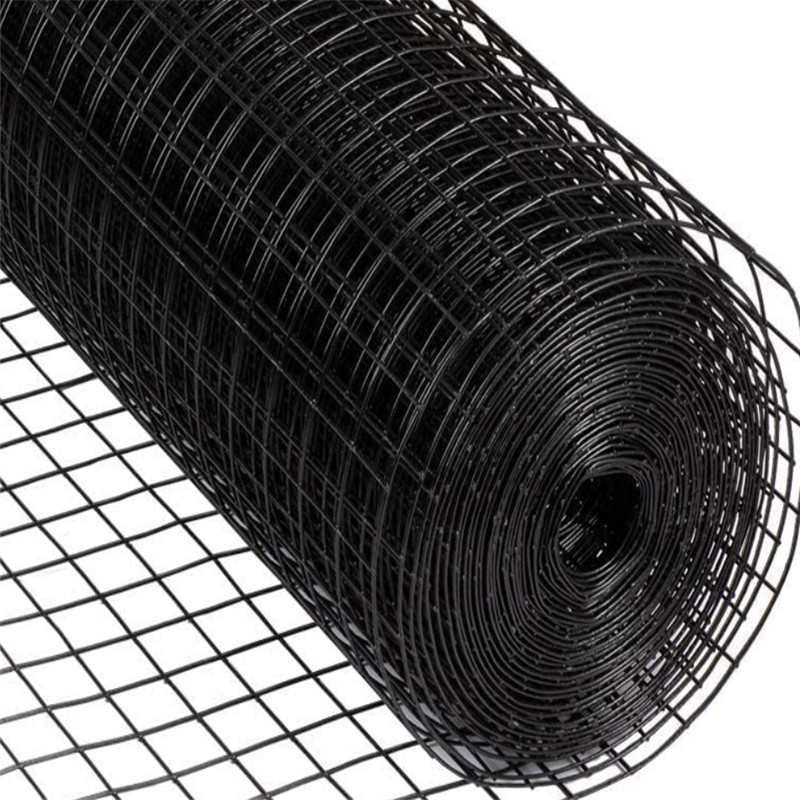
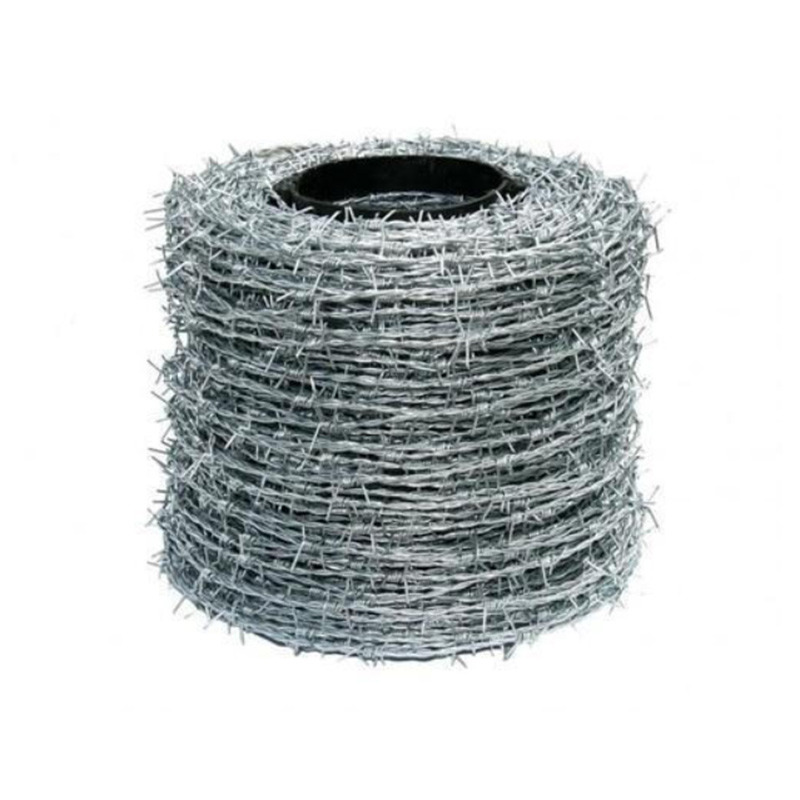
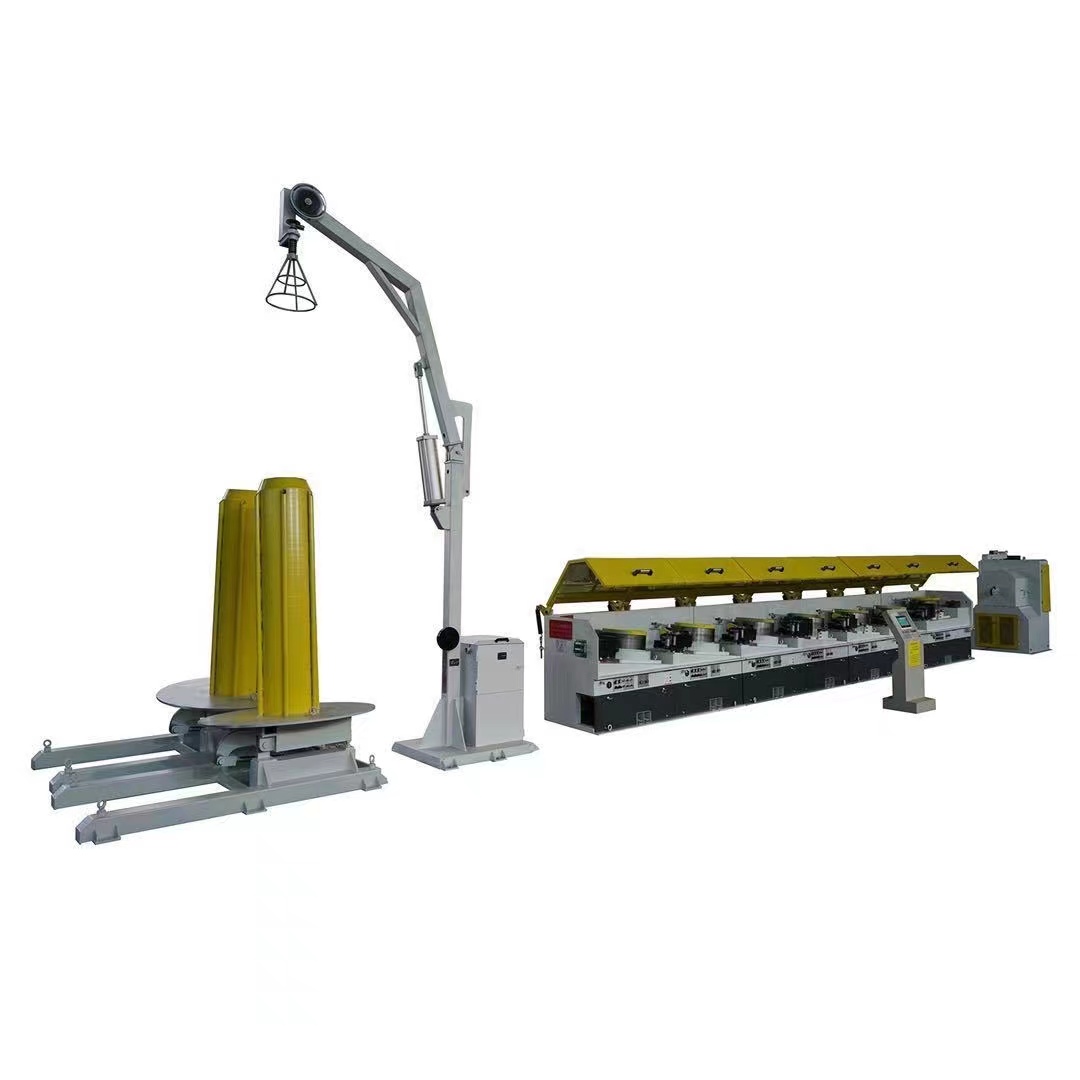
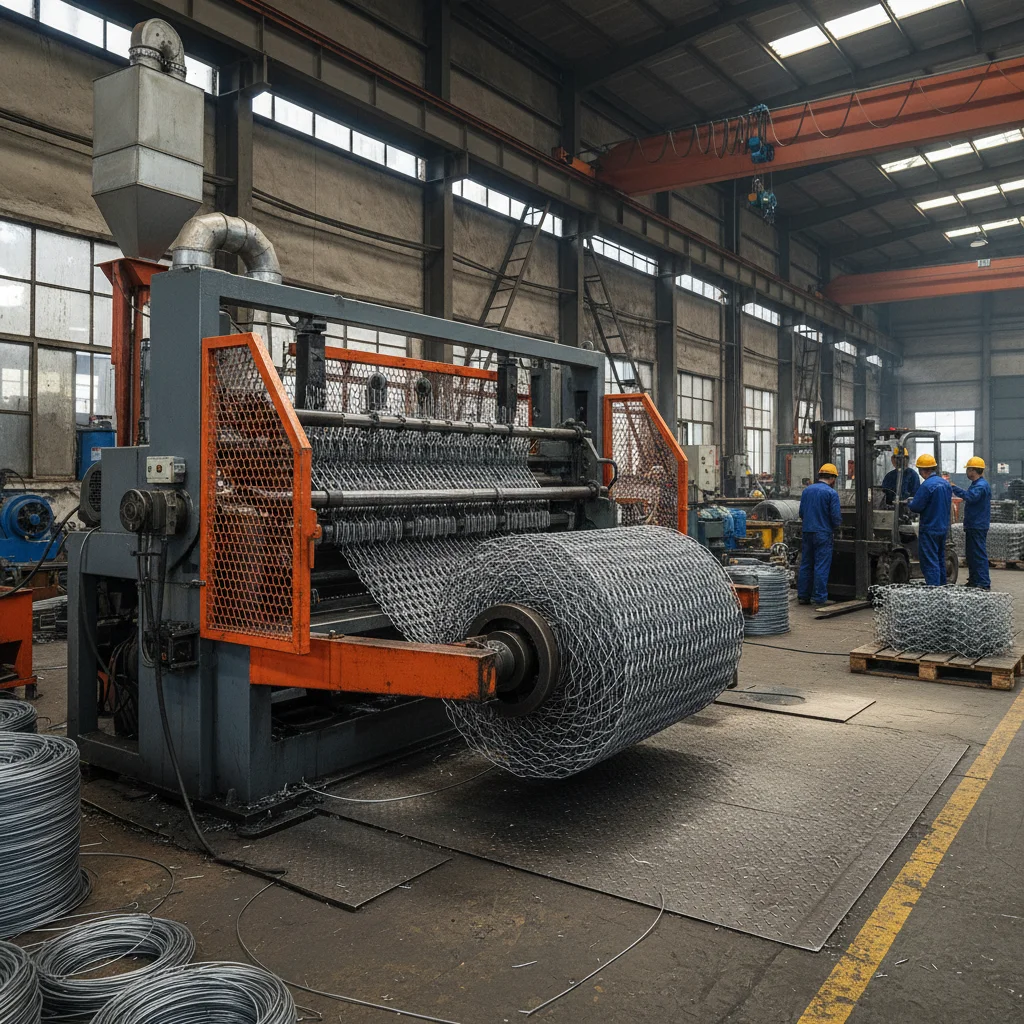
Simply put, wire drawing machine manufacturers are companies that design, build, and often maintain industrial machinery that pulls metal rods through a series of dies, thinning them down to wire. This process is critical for producing wire used in everything from electrical wiring to fence mesh, from musical instrument strings to medical devices.
It’s interesting that while the machines themselves could seem fairly utilitarian, they represent an intersection of engineering precision, materials science, and manufacturing art. The machines must balance tensile strength, dimensional accuracy, and surface finish — all while running continuously under high stress. This precision manufacturing helps meet humanitarian needs too—think durable cables for emergency power or communication lines that save lives.
Core Components That Define Wire Drawing Machines
1. Durability
These machines must withstand enormous friction and stress during the drawing process. Quality manufacturers focus on robust construction materials and wear-resistant parts to reduce downtime. It’s a bit like how a good hiking boot keeps you steady on rough terrain—the machinery’s reliability keeps whole production lines humming.
2. Scalability
Not all users want the same wire diameter or volume. Modern machines offer modular setups and adjustable die systems so production scales from small workshops in developing countries to massive factories serving global automakers.
3. Cost Efficiency
Reducing power consumption and metal scrap is a crucial aspect. Efficient machines not only save money but also reduce environmental impact—a big win in today’s climate-sensitive world.
4. Automation & Control
Precise electronic controls and computer integration help operators monitor tension and speed, adjusting on the fly for consistency. This removes guesswork and boosts output quality.
5. Material Versatility
The ability to draw a broad range of metals (copper, aluminum, steel alloys) differentiates good manufacturers. As industries demand specialty wires, this versatility pays off.
Mini takeaway: Wire drawing machine manufacturers distinguish themselves through tough, scalable, cost-effective, smart, and flexible designs—key to meeting modern industrial needs.
Real-World Applications Across Continents
Where do these machines make the biggest splash? Quite literally everywhere:
- Asia: Major electronics hubs in China, Taiwan, and India rely on precision machines for micro-wires in circuit boards.
- Europe: Germany and Italy’s automotive sectors integrate fine steel wires for safety systems and frame reinforcements.
- North America: The growing renewable energy market requires specialized wire for wind turbine coils and solar connectors.
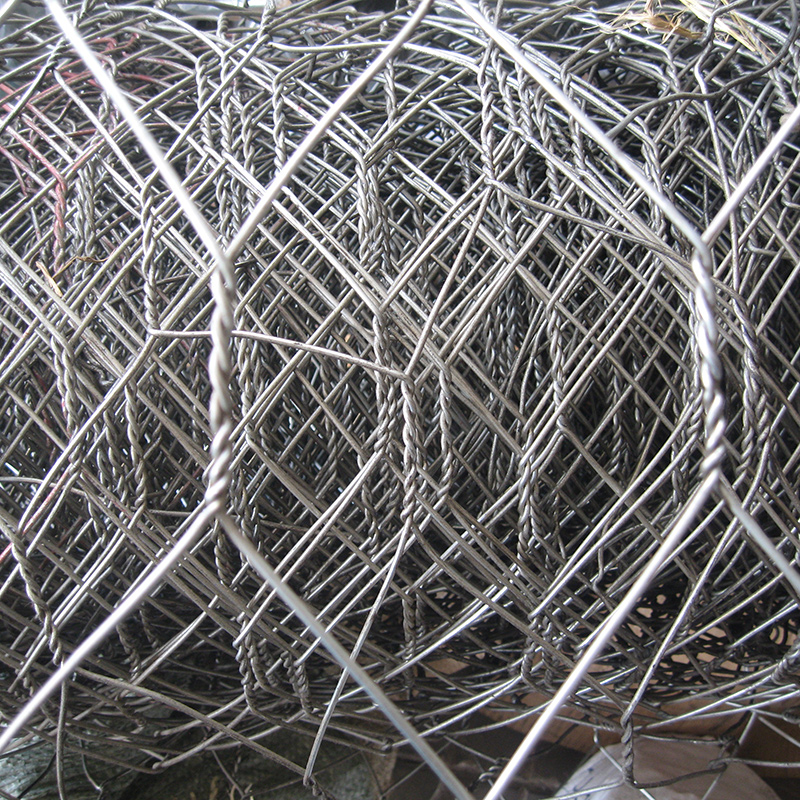
- Africa & Latin America: Infrastructure projects use wire mesh and fencing produced from these machines to improve security and agriculture.
- Humanitarian contexts: Post-disaster shelters and emergency power lines depend on reliable wire solutions from manufacturers that can deploy machines onsite or deliver parts rapidly.
Take the case of a small manufacturer in Eastern Europe who switched to a digitally upgraded wire drawing machine. They cut waste by 15% and expanded output, supplying critical wiring for a regional hospital’s modernization project. Stories like that crop up more often than you’d think.
Advantages and Long-Term Value of Leading Manufacturers
The benefits extend beyond production efficiency:
- Economic resilience: Reliable machines reduce unplanned downtimes, keeping supply chains stable.
- Sustainability: Lower scrap means less metal mining and refined consumption.
- Safety and innovation: Advanced controls protect operators and push the envelope of what wires can do.
- Social impact: Helping regions ramp up manufacturing can improve livelihoods and infrastructure quality.
There’s an emotional connection too. Engineers often talk about a “trust” factor—machines that don’t falter during crucial jobs build a quiet confidence over time. It feels like having a solid partner on the factory floor.
Future Trends and What’s Next for Wire Drawing Machines
Looking ahead, the industry is buzzing about several trends:
- Green energy integration: Manufacturers are exploring machines powered partly by solar or grid-friendly smart controls.
- Advanced materials: Drawing exotic alloys for aerospace or flexible electronics requires tooling innovations.
- IoT and digital twins: Continuous remote monitoring helps preempt issues and optimize performance.
- Automation upgrades: Robotics integration for wire handling and packaging further boosts throughput.
We’re reaching a point where wire drawing machines not only serve the present market but adapt dynamically to new technology demands. Frankly, it’s quite exciting.
Challenges Facing Wire Drawing Machine Manufacturers—and How They’re Tackled
Of course, every rose has its thorns. Some persistent challenges include:
- High initial investment: These machines are capital intensive, which can limit access for smaller operations.
- Skill gaps: Operating advanced machines requires training—not always available in emerging markets.
- Material variability: Different batches of raw metal can cause inconsistent wire quality.
Many manufacturers address these by offering flexible financing, remote operator training, and AI-enhanced material sensing to dynamically adjust machine parameters in real-time. It’s a sophisticated dance of tech and logistics.
Product Specification Table
| Specification |
Typical Range/Value |
Notes |
| Wire Diameter | 0.1 mm – 10 mm | Varies by model & die sets |
| Drawing Speed | 50 – 500 m/min | Depends on material and setup |
| Max Wire Material Tensile Strength | Up to 2000 MPa | Critical for hard alloys |
| Power Consumption | 5 – 50 kW | Energy-efficient models available |
| Automation Level | Manual to Full CNC | Wide range offered |
Vendor Comparison Table
| Manufacturer |
Product Range |
Global Reach |
Pricing Level |
Support & Training |
| Alpha WireTech | Low to High-Speed Drawing Machines | Europe, Asia, Americas | Mid-High | Onsite & Remote |
| Beta Drawequip | Specialized Alloy Wire Machines | Asia, Africa | Mid | Remote, Warranty |
| Gamma Metalworks | CNC Fully Automated Lines | Worldwide | High | Full Training & Support |
| Delta WireSystems | Entry-Level, Compact Machines | Emerging Markets | Low-Mid | Basic Manuals |
Frequently Asked Questions About Wire Drawing Machine Manufacturers
Q1: How do I choose the right wire drawing machine manufacturer for my business?
A: Assess your production volume, wire specifications, budget, and after-sales support needs. Look for manufacturers offering machines that can handle your material types with scalability options. Checking customer reviews and requesting demos or factory visits can clarify capabilities. Also, wire drawing machine manufacturers often provide tailored consultations to match your unique requirements.
Q2: What maintenance challenges are common with wire drawing machines?
A: Wear of dies and lubrication systems typically cause downtime. Ensuring operators follow routine checks and timely parts replacement extends machine life. Some manufacturers integrate sensor technology that alerts users before failures, which is a real game changer in avoiding costly disruptions.
Q3: Are wire drawing machines energy-intensive?
A: Traditionally, yes, but modern equipment is increasingly energy-efficient. Manufacturers are focused on reducing power consumption through optimized motor designs and better automation to lower idle times. This reduces operational costs and environmental footprint.
Q4: Can wire drawing machines handle advanced metal alloys?
A: High-end manufacturers specifically design machines to handle tough alloys like stainless steel, nickel, and copper composites. They use specialized dies and advanced controls to accommodate different tensile properties and prevent wire breakage.
Q5: How do manufacturers support customers in remote or developing regions?
A: Many provide remote training platforms, technical support hotlines, and spare part logistics tailored to areas with limited infrastructure. This helps keep machines operational even under challenging conditions.
Conclusion: The Unsung Heroes of Modern Manufacturing
Wire drawing machine manufacturers might not grab headlines, but their impact reverberates across industries and continents. They enable the invisible veins of infrastructure to grow, innovate, and sustain communities. Whether you’re an engineer sourcing equipment, a business owner aiming for efficiency, or simply intrigued by industrial craft, these manufacturers represent a fascinating blend of tradition and technology.
To explore cutting-edge wire drawing solutions that meet your needs and future-proof your production, visit our website: https://www.htmeshmachines.com.
References
- ISO - Wire Drawing Processes
- World Bank Data on Manufacturing Output
- Wikipedia: Wire Drawing