Understanding the Razor Wire Machine: A Global Security Staple
In a world where safety and security are top priorities, the razor wire machine plays an indispensable role behind the scenes. But what exactly is a razor wire machine, and why does it matter globally? At a glance, it might seem like just a piece of industrial equipment, yet this machine produces one of the most effective deterrents used to protect borders, critical infrastructure, and humanitarian zones worldwide. From preventing unauthorized access to ensuring the safety of vulnerable populations, understanding the razor wire machine helps us appreciate the intersection of technology, security, and human safety.
The Razor Wire Machine in Global Context: Security Challenges and Industrial Response
Globally, countries and organizations grapple with growing security concerns as conflicts, migration, and resource protection intensify. According to the United Nations, border security incidents have risen in recent years, making physical barriers a practical necessity in many regions.1 That’s where the razor wire machine comes in. This hardy industrial workhorse produces razor wire—essentially a spiked steel coil that deters intrusion while being cost-effective and quick to deploy. In unstable or high-risk areas, it’s often the first line of defense against trespassers or wildlife threats.
Yet, it’s not just about fences anymore. The razor wire machine addresses challenges such as supply chain disruption, rapid mobilization needs for disaster zones, and large-scale agricultural land protection. With millions of kilometers of razor wire installed globally, the demand for reliable production machinery has never been higher.
What Is a Razor Wire Machine?
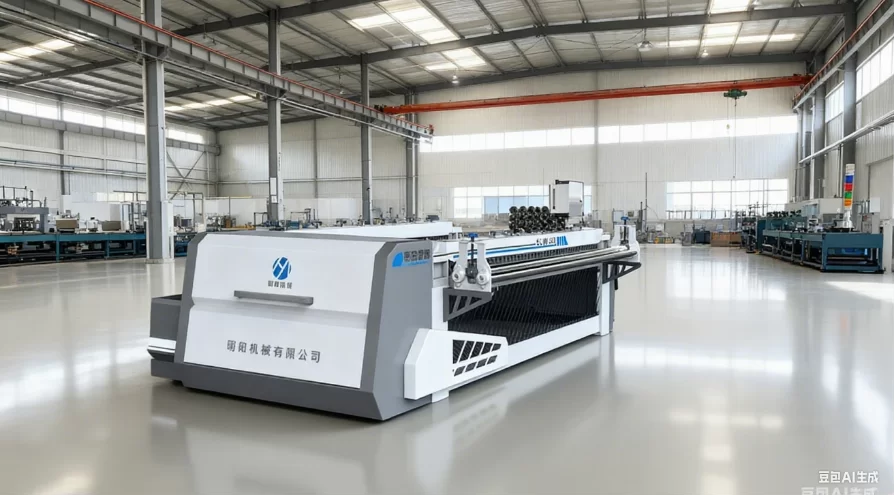
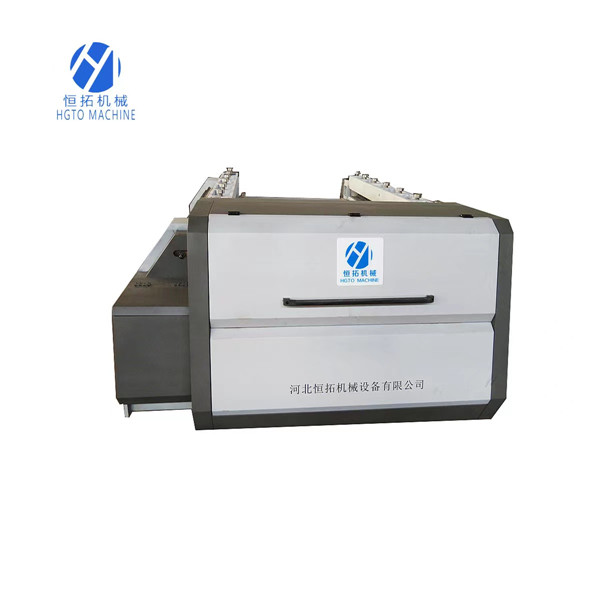
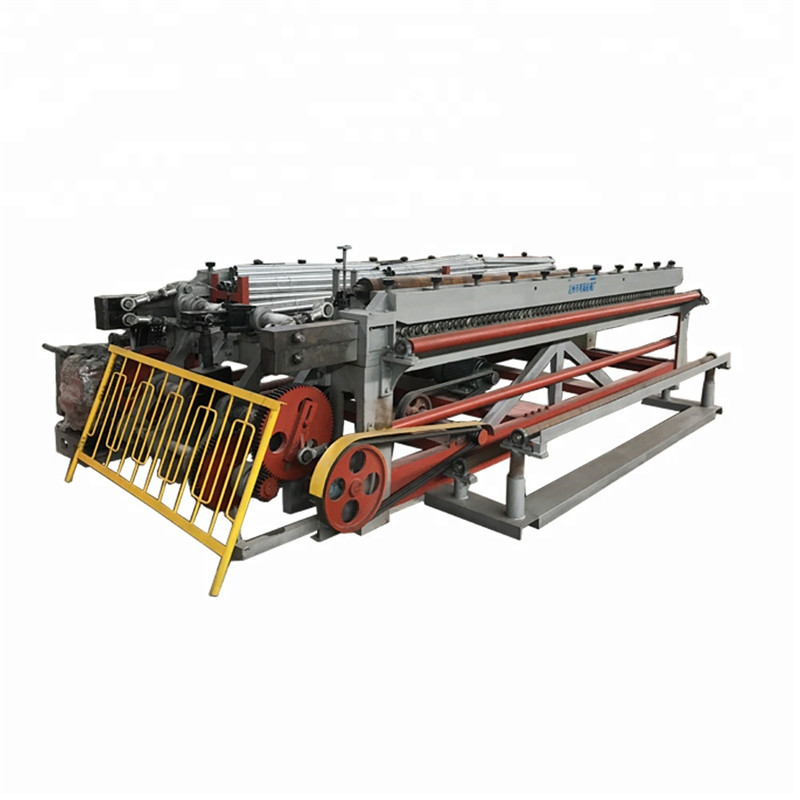
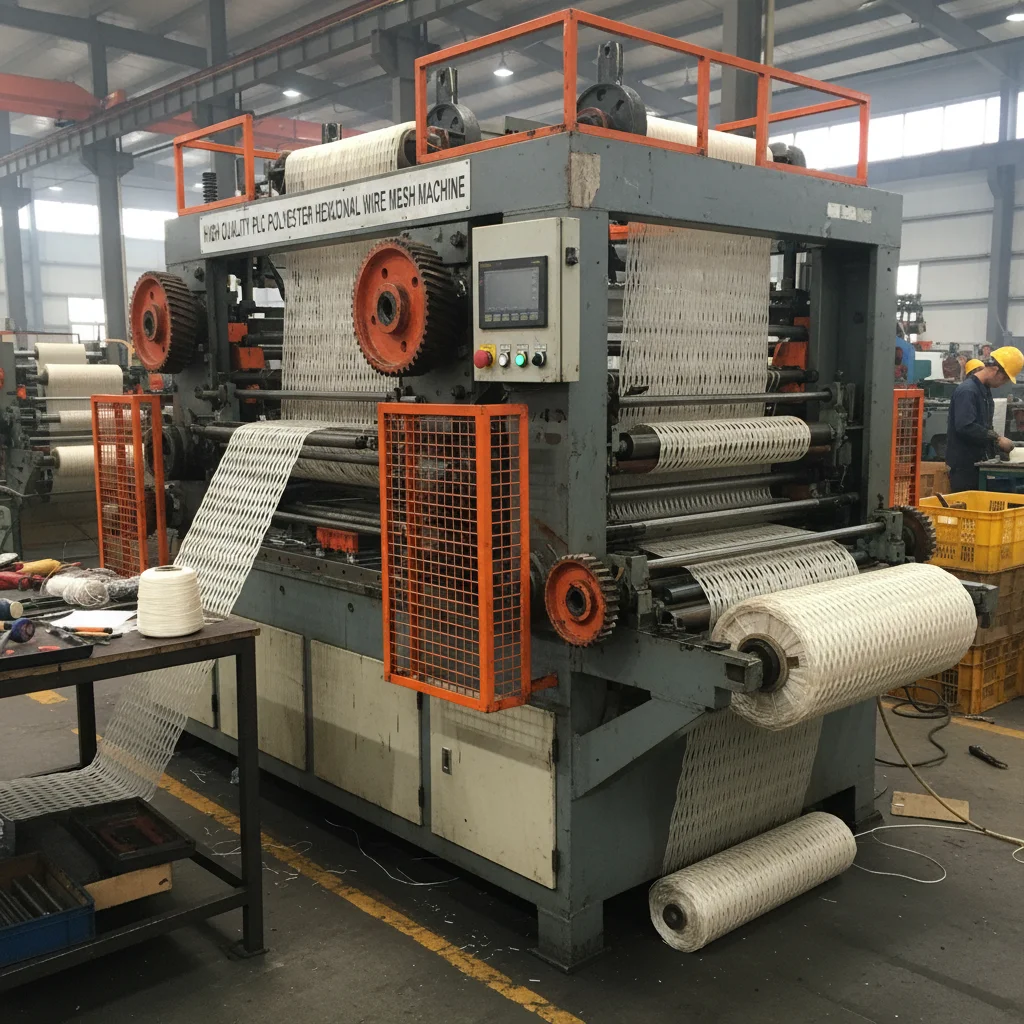
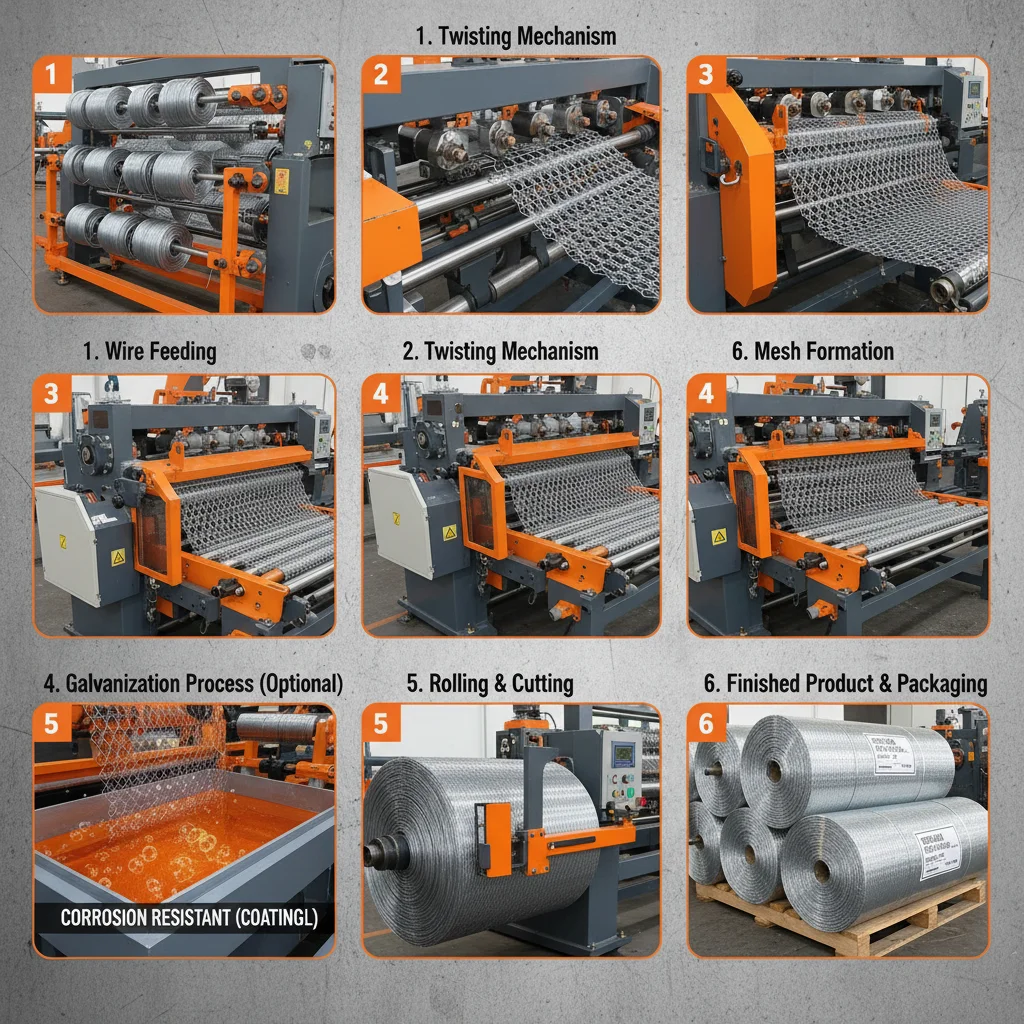
Simply put, a razor wire machine is an industrial device designed to manufacture razor wire by coiling and attaching sharp metal strips to a steel wire core. Think of it as a somewhat brutal poet: it forms steel into tough, intimidating coils that combine accessibility and aggression in one product. That sharpness is intentional—meant to make climbing over or cutting through the barrier extremely difficult.
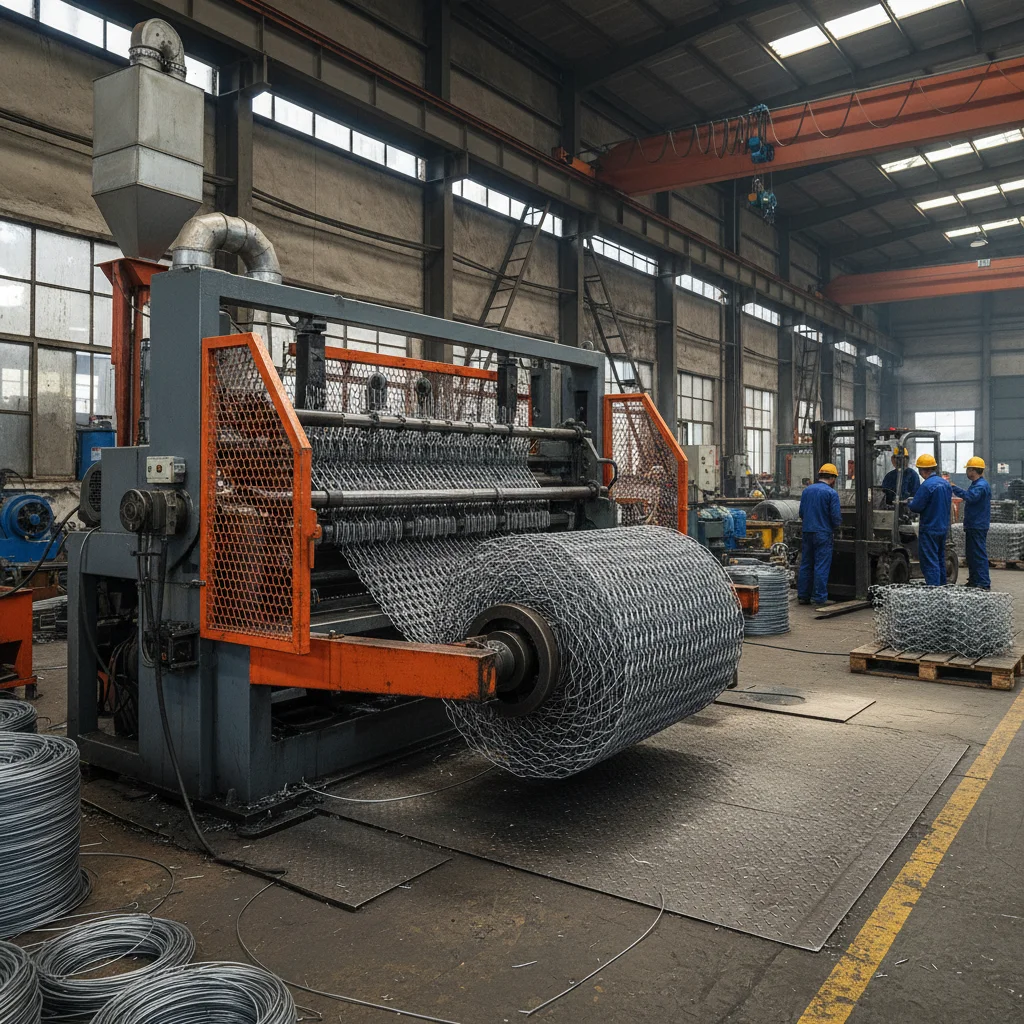
Modern razor wire machines are semi-automated or fully automated, producing consistent and high-quality coils quickly. In terms of industry, these machines have roots in the metal fabrication and security sectors but now also serve humanitarian organizations that need temporary but effective fencing solutions for refugee camps or disaster relief sites.
Core Components and Key Features
1. Durability and Material Quality
The razor wire needs to withstand harsh environments: intense sun, cold, moisture, and mechanical strain. This begins with the machine's ability to handle galvanized or stainless steel strips that resist rust and corrosion.
2. Scalability and Production Speed
Depending on demand, machines can produce varying coil diameters and lengths. Scalability means suppliers can meet bulk orders for governments or NGOs alike. Production speed matters – the faster, the better when security depends on quick deployment.
3. Cost Efficiency
Operating costs include power consumption, maintenance, and raw materials. Efficient machines reduce downtime and waste, which translates to affordability—especially vital for budget-constrained organizations.
4. Precision and Safety Mechanisms
Given razor wire's inherent dangers, the machine incorporates safety covers, emergency stops, and precision controls to ensure both product quality and operator safety.
5. Customization Options
Different contexts require variegated coil sizes or blade shapes. Flexibility here is crucial – from narrow coils for interior security to heavyweight versions for border fences.
Summary Takeaway:
By focusing on durability, speed, cost, safety, and customization, razor wire machines enable tailored, reliable production that addresses global security challenges head-on.
Global Applications and Real-World Use Cases
The applications of razor wire—and by extension, the razor wire machine—are far-reaching:
- Border Security: Nations worldwide use razor wire to demarcate and secure borders. For example, European countries often rely on razor wire coils to fortify fencing along sensitive areas.
- Industrial Sites: Mining and energy plants in remote areas use razor wire to keep intruders out and assets safe.
- Humanitarian Zones: Relief camps in disaster-prone areas deploy razor wire quickly for perimeter protection without compromising humanitarian principles.
- Agriculture: Farmers protect large estates from wildlife damage, often in sub-Saharan Africa and South America.
Oddly enough, modern warfare and peacekeeping missions also count on razor wire machines to aid rapid deployment of secure perimeters where trust and timing are critical.
Advantages and Long-Term Value
Why choose razor wire and invest in these machines? The visible benefits are safety and deterrence, but it also runs deeper:
- Cost-Effectiveness: Razor wire remains one of the cheaper physical security options given its reusability and durability.
- Sustainability: Because materials are largely recyclable steel, end-of-life disposal impacts are lower than plastic-based alternatives.
- Reliability: When installed properly, razor wire requires minimal maintenance—trustworthy in harsh climates.
- Social Impact: In refugee camps, razor wire can define safe zones, bringing a sense of order and dignity when chaos otherwise reigns.
Frankly, it’s a solution blending innovation, pragmatism, and empathy—a trinity not often found in industrial products.
Future Trends and Innovations You Should Know
Razor wire machines aren’t just maintaining the status quo. The industry is quietly embracing technologies to improve efficiency, safety, and sustainability:
- Automation: Smart sensors and AI-powered control panels promise near-zero manual input, reducing errors and injuries.
- Green Manufacturing: Energy-efficient motors and recycled steel use lower carbon footprints.
- Material Innovation: Composite blades combining strength and flexibility for tougher but lighter coils.
- Integration: Machines designed to produce razor wire with connection points for smart fence systems, integrating with sensors for intruder alerts.
In a sense, progress is marching alongside the global demand for smarter, faster, and kinder security tools.
Challenges in Razor Wire Machine Operation and How Experts Tackle Them
Production is never without hiccups. Common issues include:
- Blade Jamming: Improper tension or low-quality wire can cause production halts.
- Operator Safety: Handling sharp materials means strict training is essential.
- Material Waste: Efficient raw material use remains a fine balancing act.
Many engineers recommend routine maintenance, improved safety training, and investing in machine upgrades that facilitate faster changeover between wire gauges. Some even suggest modular designs to adapt to varied product specs without downtime.
Frequently Asked Questions About Razor Wire Machines
- How fast can a razor wire machine produce coils?
- Production speed varies by model, but many modern machines can output 50–100 coils per hour, depending on coil size and complexity.
- What maintenance does a razor wire machine require?
- Regular inspections, lubrication of moving parts, blade sharpening/replacement, and electrical system checks are typically needed every 200 hours of operation to maintain peak efficiency.
- Can razor wire machines produce customized blade designs?
- Yes, many machines offer adjustable blade spacing and shapes to meet different security requirements, ranging from standard to heavy-duty razor shapes.
- Is training necessary to operate a razor wire machine?
- Absolutely. Due to the sharp components and moving parts, operators should be trained on safety protocols and machine controls before use.
- How do I choose the right razor wire machine for my needs?
- Consider production volume, desired coil specifications, budget, and whether you need automation or manual operation. Consulting vendors and trying demos is often advisable.
Product Specification Table: Sample Razor Wire Machine Model
| Specification |
Value |
| Blade Material |
Galvanized Steel 0.5mm |
| Wire Diameter |
2.5 – 3.0 mm |
| Coil Diameter Range |
450 – 700 mm |
| Production Speed |
80 Coils/hour |
| Power Supply |
220V, 50Hz |
| Machine Weight |
850 kg |
Vendor Comparison: Leading Razor Wire Machine Suppliers
| Vendor |
Automation Level |
Price Range (USD) |
Customization Options |
Warranty |
| HT Mesh Machines |
Semi-Automatic to Fully Automatic |
$25,000 - $45,000 |
Blade spacing, coil size, speed |
2 Years |
| SecureFences Co. |
Automatic |
$40,000 - $60,000 |
Advanced sensor integration |
3 Years |
| WireTech Solutions |
Manual to Semi-Automatic |
$15,000 - $35,000 |
Standard blade designs only |
1 Year |
Wrapping It Up: The Razor Wire Machine's Quiet Impact
It feels strange to think that a machine making razor wire could quietly influence geopolitics, humanitarian work, and industrial security worldwide. Yet, here we are, in a world where the combination of steel, sharp blades, and smart manufacturing keeps millions safer. If you’re in the market for a razor wire machine or just curious about this vital piece of equipment, one thing’s clear: its value goes beyond sheer metalwork. It’s about trust—trust that a boundary will hold, that people stay safe, and that technology continues evolving to meet ever-changing challenges.
Interested? Check out HT Mesh Machines — one of the leaders delivering innovation, quality, and reliability.
References
- United Nations Security and Border Reports
- ISO Standards for Wire Products
- Wikipedia: Razor Wire