Understanding the Reinforcing Mesh Welding Machine: Why It Matters
In the heart of modern construction and civil engineering lies a quiet hero: the reinforcing mesh welding machine. While it might not grab headlines like skyscrapers or bridges, this machine is pivotal in shaping strong, reliable structures worldwide. Its role in producing welded wire mesh used for concrete reinforcement directly impacts urban development, disaster reconstruction, and infrastructure resilience. Understanding this technology unlocks insights into cost savings, improved safety standards, and global efforts to build smarter.
Globally, concrete reinforcement is a backbone of infrastructure strength. According to the International Organization for Standardization (ISO), nearly 60% of all new infrastructure projects utilize welded wire mesh to enhance tensile strength, reduce cracking, and improve longevity. The reinforcing mesh welding machine enables the efficient manufacture of this product by joining steel wires at high speed and precision.
Mini takeaway: The reinforcing mesh welding machine is fundamental in producing robust building materials meeting modern engineering needs while supporting sustainable growth on a global scale.
An Industry Essential: What Is a Reinforcing Mesh Welding Machine?
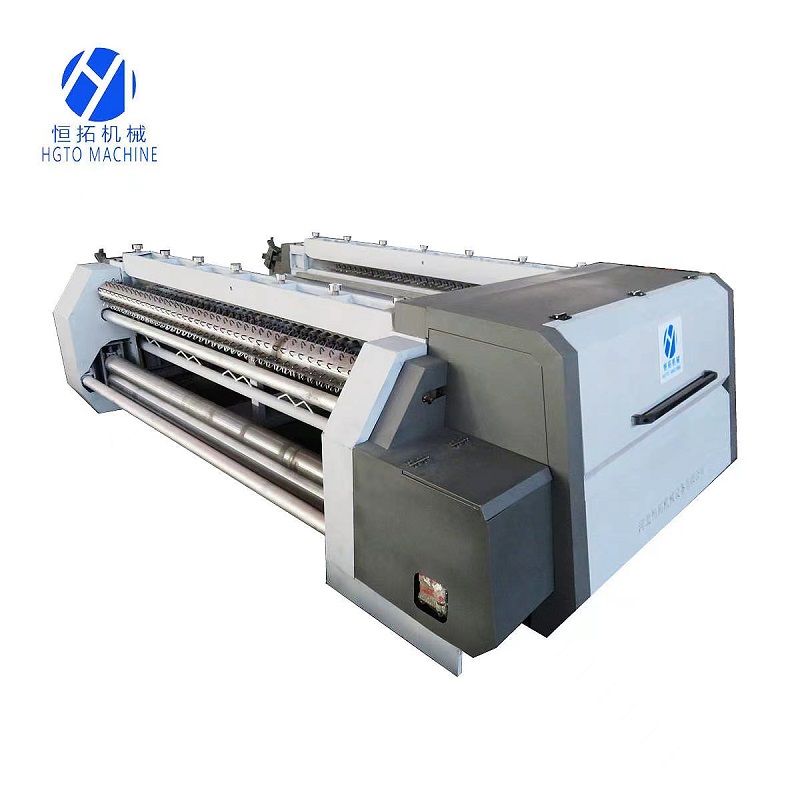
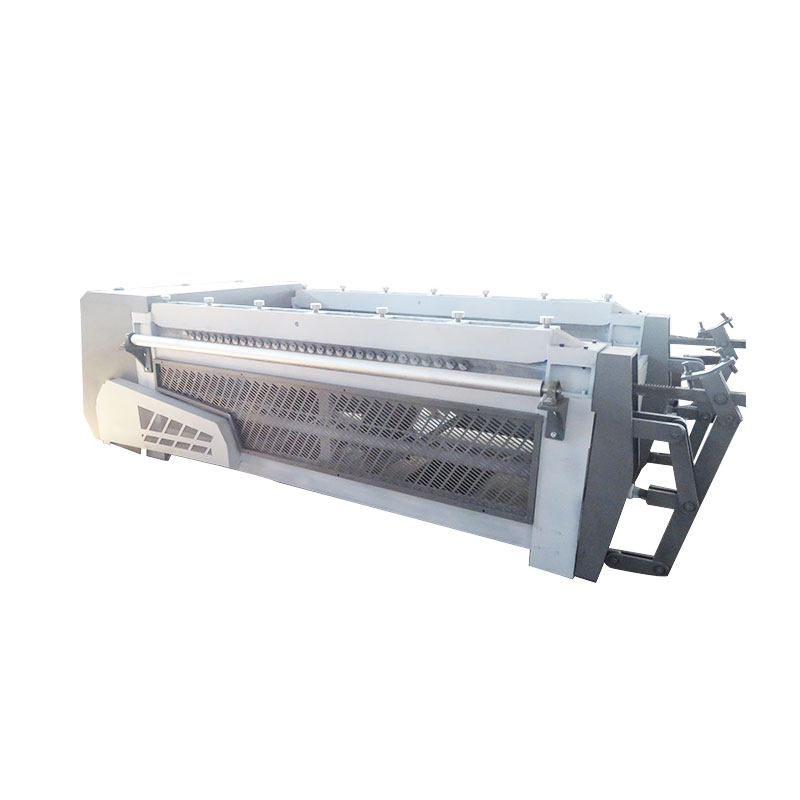
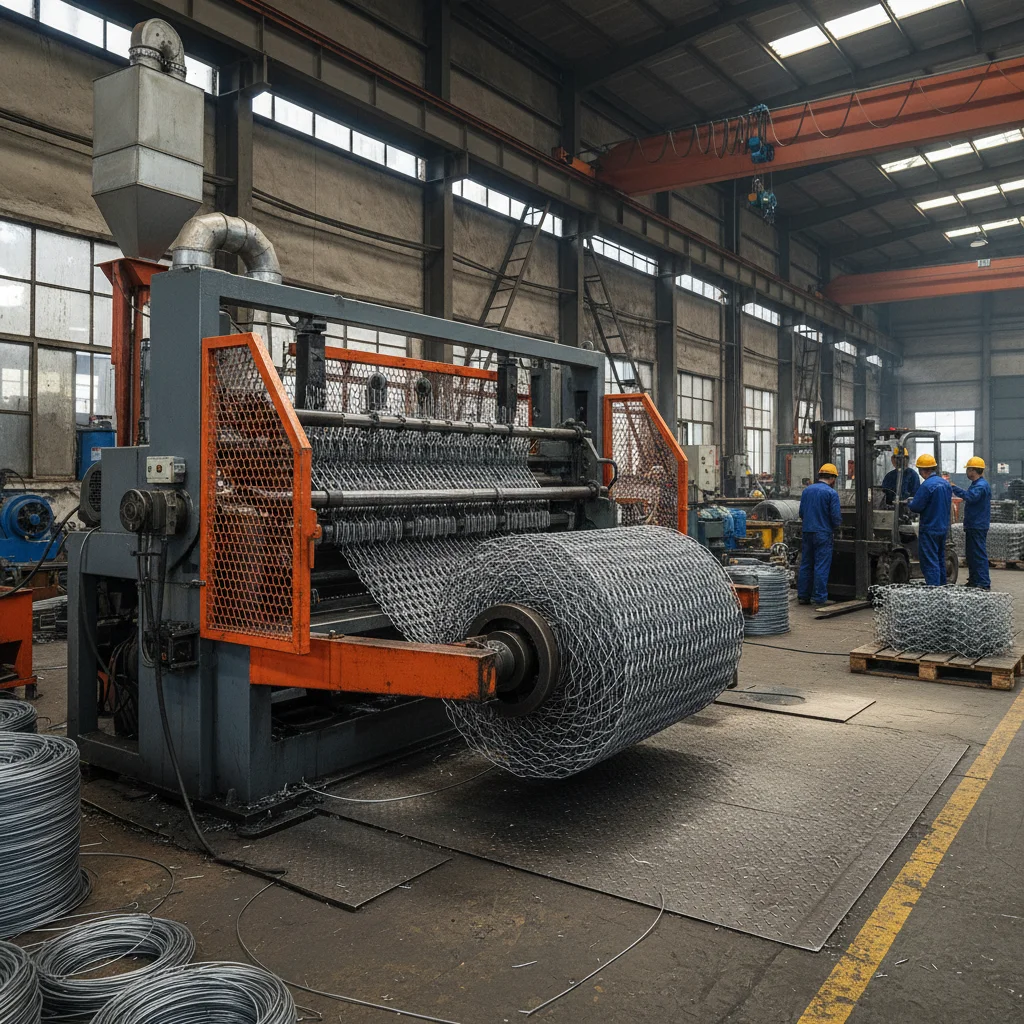
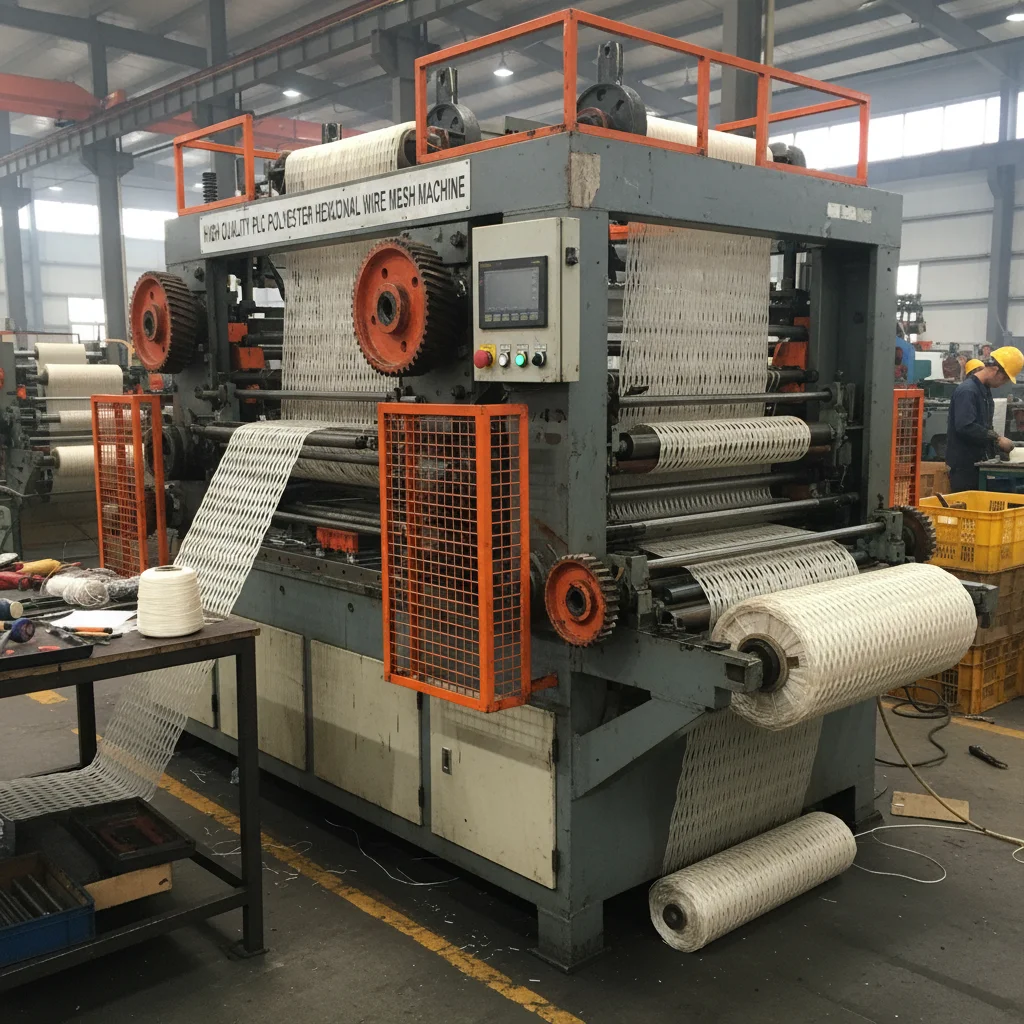
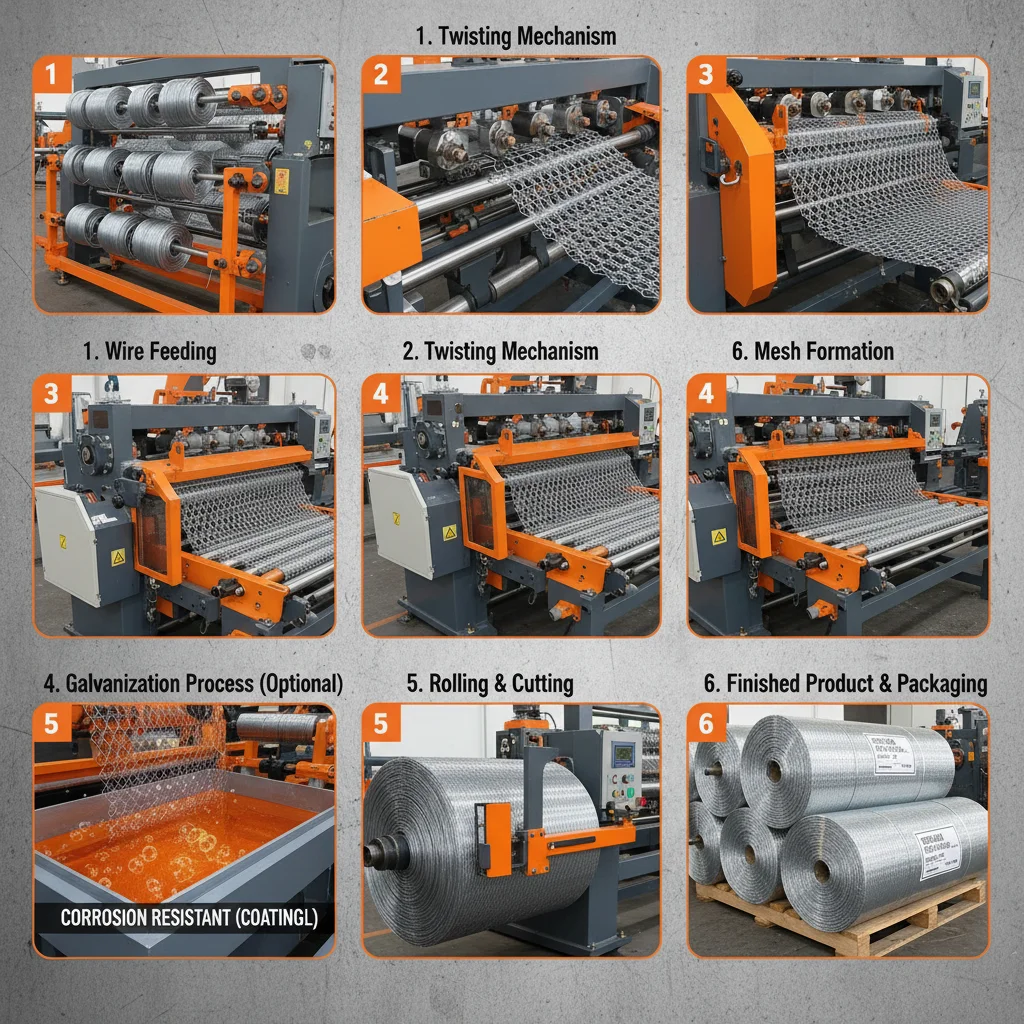
Put simply, a reinforcing mesh welding machine is specialized equipment that produces welded wire mesh—steel wires arranged in a grid pattern joined by electrical resistance welding at intersection points. This mesh is primarily used to reinforce concrete, making it stronger and more durable under tension.
Imagine a spider web, but made of metal, designed with such precision that it can withstand the stresses of large buildings, roads, bridges, and even nuclear facilities. In real terms, this machinery is transforming steel rods into uniform, consistent grids, enabling architects and engineers to realize structures that last decades, if not centuries.
Oddly enough, this technology extends beyond urban landscapes. In disaster relief and rural development projects, reinforcing mesh supports rapid construction of shelters and essential infrastructure, ensuring safety and dignity amid adversity.
Mini takeaway: Reinforcing mesh welding machines turn raw steel wires into sturdy grids essential for strengthening concrete, bridging modern engineering with human needs.
Core Components and Key Features of Reinforcing Mesh Welding Machines
1. Durability and Build Quality
The machine itself often operates in harsh industrial environments. High-grade steel frames and wear-resistant welding electrodes ensure longevity under constant, high-volume use. Users frequently highlight how a well-built machine reduces maintenance downtime and improves production flow.
2. Scalability and Production Speed
Depending on the project size, machines can adapt from small batches to massive runs producing thousands of mesh sheets daily. Automation, programmable controls, and variable speed settings support different wire gauges and mesh sizes, giving manufacturers flexibility.
3. Welding Precision and Quality Control
Advanced models come equipped with sensors and computerized controls ensuring weld strength and mesh uniformity. This reduces defects – essential where structural integrity is non-negotiable. It’s fascinating to see how technology like this ensures each intersection is perfect, no matter the scale.
4. Cost Efficiency
By minimizing manual labor and material waste, reinforcing mesh welding machines streamline costs dramatically. The efficiency gains can be staggering — some studies suggest up to 30% savings in production budgets.
5. Customization Capability
Manufacturers can customize mesh dimensions and specifications to meet diverse project standards, from small residential builds to heavy industrial applications.
| Specification |
Typical Range / Feature |
Remarks |
| Wire diameter |
2.0 mm – 8.0 mm |
Suitable for various concrete demands |
| Mesh size (spacing) |
50mm – 200mm |
Adjustable grid dimensions |
| Welding method |
Electric resistance welding |
Ensures durable joints |
| Production speed |
Up to 30 pieces/hour |
Varies by machine size and complexity |
| Control system |
PLC + HMI touchscreen |
User-friendly and programmable |
Mini takeaway: Modern reinforcing mesh welding machines combine durability, adaptability, and precision to meet diverse production and quality needs in construction.
Real-World Uses: Reinforcing Mesh Welding Machine Across the Globe
Globally, reinforcing mesh welding machines fuel projects across Asia, Europe, and the Americas. For example:
- Infrastructure Development in Asia: Fast-growing urban centers in China and India deploy welded mesh extensively in bridges, metro systems, and residential towers.
- Post-Disaster Rebuilding: NGOs in earthquake zones in Nepal and Turkey use mesh for durable quick-build structures, prioritizing safety under pressure.
- Industrial Zones in Africa: Emerging industrial parks in Nigeria rely on welded mesh for factory foundations and roads, balancing cost and strength.
It’s no surprise that manufacturers of these machines have become key suppliers for international contracts and relief operations. The machines support rapid production, minimize onsite labor, and maintain consistent safety standards.
Mini takeaway: Reinforcing mesh welding machines are vital in diverse environments—from megacities to remote disaster zones—helping build safe, lasting infrastructure.
Benefits and Long-Term Value
What really sets reinforcing mesh welding machines apart isn’t just the intensive steel grids they create but the ripple effects of their use.
- Cost Savings: Reducing manual welders and materials wasted translates to leaner budgets.
- Sustainability: ISO-aligned production reduces energy use and waste.
- Reliability & Safety: Consistent weld strength means buildings stand firm, protecting lives.
- Social Impact: Quicker construction improves living conditions, dignifies reconstruction.
There’s an emotional element too. For engineers and workers, knowing the mesh they produce contributes to safer homes creates a sense of pride and trust in their craft. In the long run, this fosters innovation and investment in better technologies.
New Frontiers: Trends and Innovations on the Horizon
Looking forward, the reinforcing mesh welding machine sector is seeing exciting updates:
- Digital Integration: Smart factories use IoT sensors to monitor welding quality in real-time.
- Green Energy: Machines powered partly by solar or hybrid systems reduce carbon footprints.
- Automation & Robotics: Automated wire feeding and mesh stacking reduce human error.
- Advanced Materials: Exploration of corrosion-resistant alloys and composite materials.
It feels like the mesh welding industry is set to become smarter, greener, and more responsive to global sustainability standards in the near future.
Challenges and Practical Solutions
Of course, no industry is without hurdles. Some common challenges include:
- Initial Equipment Cost: High upfront investment can deter smaller firms.
- Maintenance Needs: Welding electrodes and moving parts wear down.
- Operator Training: Skilled labor is required for optimal machine use.
- Power Supply: Interruptions in remote areas can hinder continuous production.
Many manufacturers now offer leasing options, online maintenance support, and modular training kits to overcome these obstacles. Increasingly, machines come with self-diagnostics, making upkeep easier.
| Vendor |
Price Range |
Key Features |
Support & Warranty |
| HT Mesh Machines |
$45,000 – $90,000 |
PLC control, fast welding, modular design |
2-year warranty, 24/7 technical support |
| WireTec Solutions |
$50,000 – $85,000 |
Energy-efficient, IoT monitoring |
1-year warranty, optional training courses |
| SteelGrid Inc. |
$40,000 – $78,000 |
Compact, quick setup, customizable |
6 months warranty, remote diagnostics |
FAQs on Reinforcing Mesh Welding Machines
Q: How does a reinforcing mesh welding machine improve concrete structure strength?
A: By precisely welding steel wires into a durable mesh grid, the machine ensures consistent tensile reinforcement throughout the concrete. This uniformity prevents cracks and enhances overall load performance, extending the life of the structure.
Q: What maintenance is typically needed for these welding machines?
A: Regular maintenance includes electrode replacement, lubrication of moving parts, and calibration of welding parameters. Many manufacturers provide service guides and remote support to reduce downtime and extend machine life.
Q: Can these machines adapt to different mesh sizes and wire diameters?
A: Yes, most modern reinforcing mesh welding machines allow quick adjustments to accommodate various wire diameters (usually 2mm-8mm) and mesh spacings, making them versatile for multiple project requirements.
Q: Are there sustainable options for operating these machines?
A: Absolutely. Some newer models incorporate energy-efficient systems, and there’s growing integration of solar or hybrid power sources to reduce environmental impact.
Q: Where can I find reliable suppliers for reinforcing mesh welding machines?
A: Trusted vendors like HT Mesh Machines offer a range of options, warranties, and after-sales support suited for various industry needs. Checking for certifications and customer reviews helps ensure reliability.
In Conclusion: The Long Game with Reinforcing Mesh Welding Machines
Reflecting on the pivotal role of reinforcing mesh welding machines, it’s clear they do more than produce steel grids. They underpin safer cities, quicker rebuilding after disasters, and more sustainable construction practices globally. Investing in quality machinery today pays dividends in structural integrity and trust tomorrow.
If you’re exploring options or upgrading equipment, visit our website to discover industry-leading reinforcing mesh welding machines designed with your projects and planet in mind.
References:
- International Organization for Standardization (ISO)
- Wikipedia: Reinforced Concrete
- World Bank Infrastructure Overview