What Is a GI Wire Drawing Machine and Why Does It Matter?
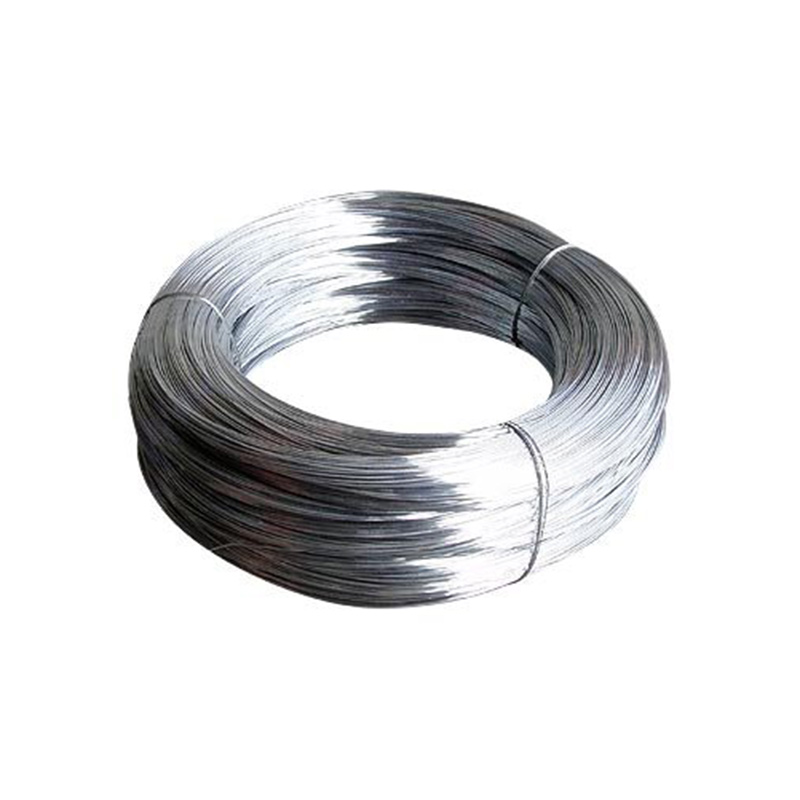
If you've ever wondered how galvanized iron (GI) wire comes to life — shiny, strong, flexible enough to bend but tough enough to hold fences, mesh, and countless industrial parts — then you’ve brushed up against the magic of the GI wire drawing machine. This equipment is the backbone of making GI wire, which is galvanized iron wire known for rust resistance and durability.
Globally, the demand for GI wire is surging, driven by construction, infrastructure, and manufacturing needs. Understanding how GI wire drawing machines work is crucial not just for manufacturers but also for businesses and communities relying on high-quality, cost-effective wire products. A deeper look reveals how these machines address production challenges and contribute to sustainability by optimizing resource usage. Curious yet? Let’s dive in.
The Global Importance of GI Wire Drawing Machines
In 2023, steel production reached about 1.9 billion tons worldwide according to the World Steel Association, and a meaningful fraction of this is galvanized product. The GI wire is essentially iron or low-carbon steel wire coated with zinc, produced by drawing thicker wire rods through a series of dies to reduce their diameter and increase tensile strength.
The gi wire drawing machine plays a pivotal role in this process. Its global relevance spans regions from emerging economies in Asia to established industrial hubs in Europe. Why? Because galvanized wire withstands corrosion and weathering, essential for fencing agricultural lands in Africa or reinforcing concrete in skyscrapers in North America.
This demand comes with challenges: producing high-strength, consistent diameter wire without wasting material or energy. Here is where precision-engineered GI wire drawing machines make a difference — they enhance efficiency, reduce defects, and can be tailored for different wire gauges.
Understanding the GI Wire Drawing Machine
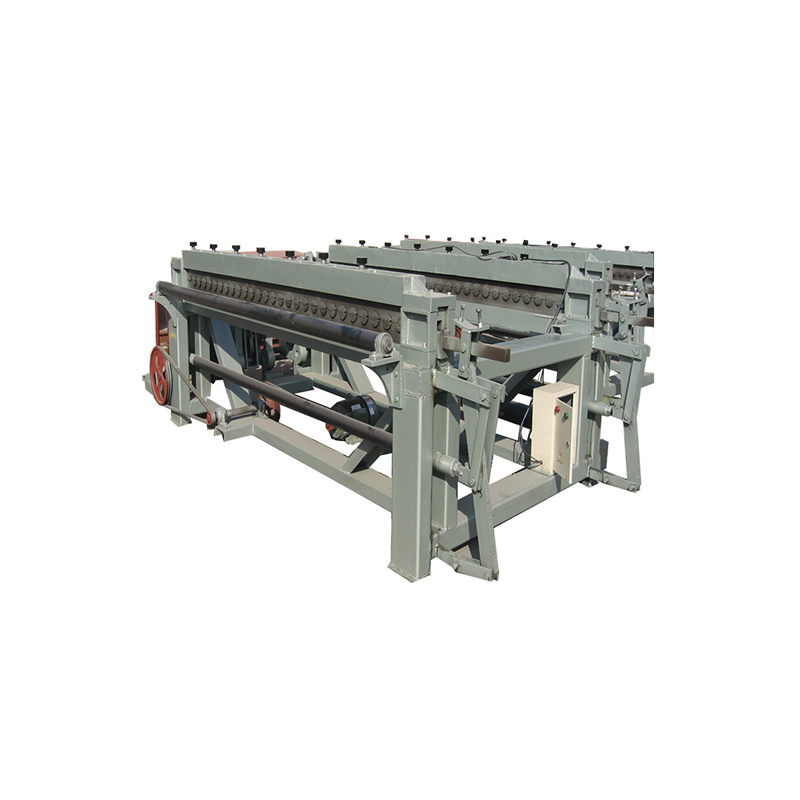
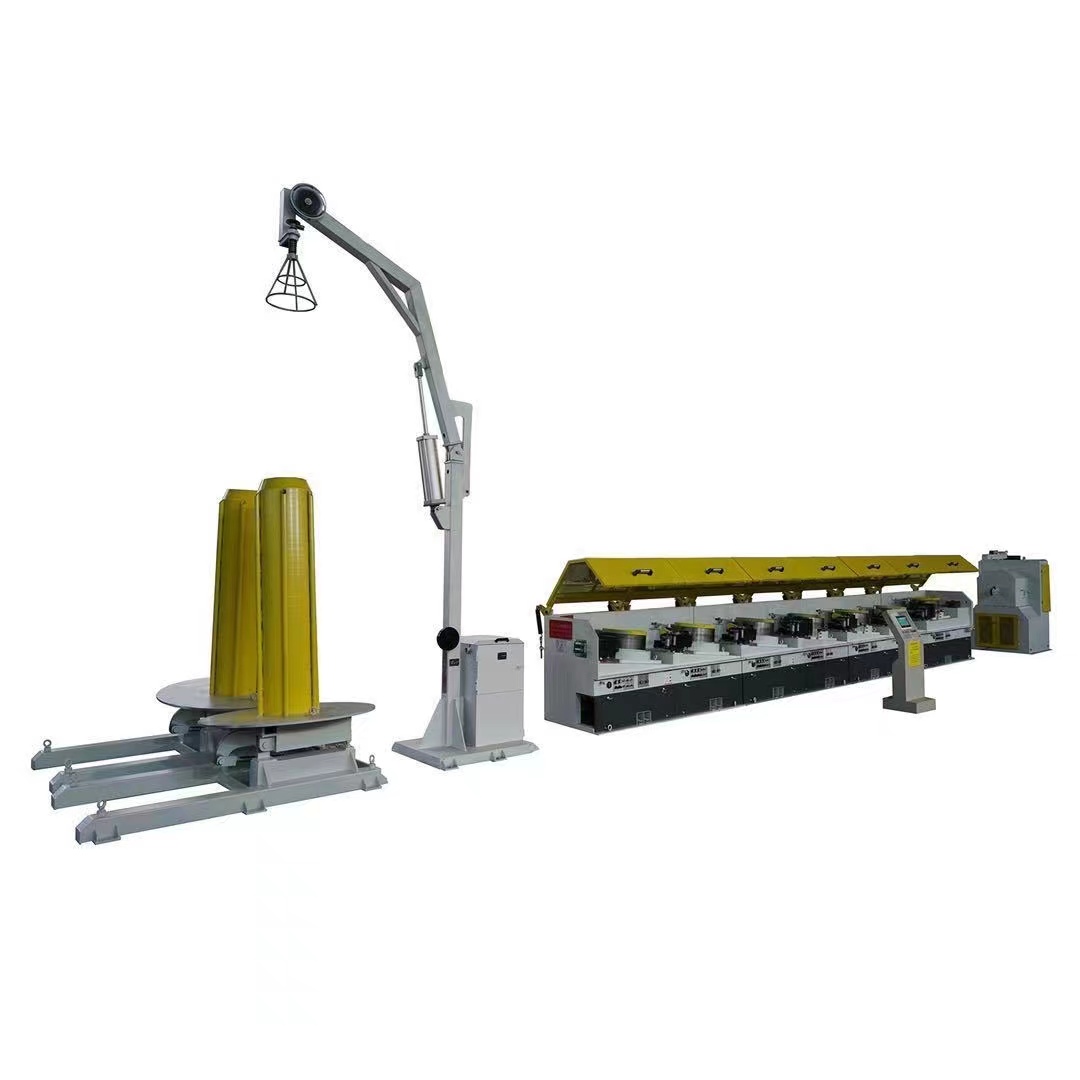
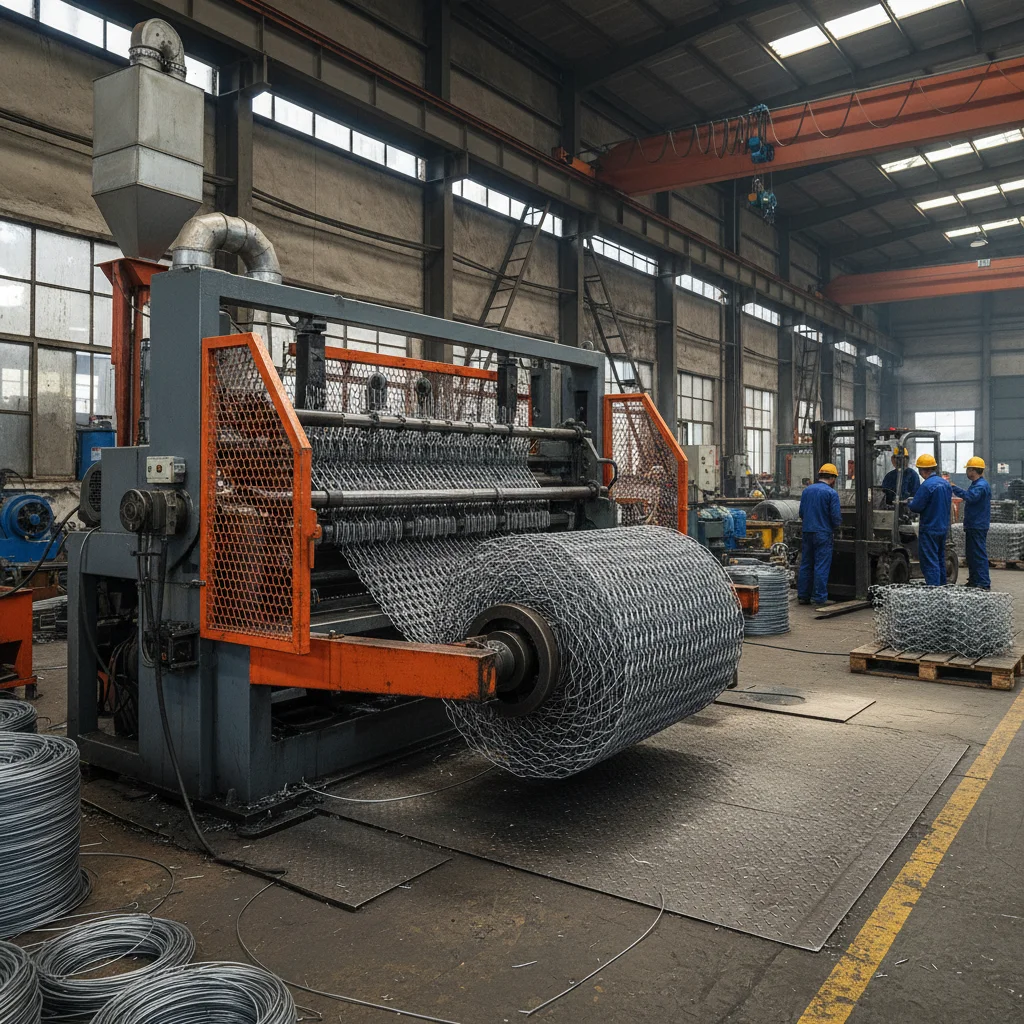
At its core, a GI wire drawing machine is an industrial tool that pulls metal wire through successively smaller dies to achieve the desired thickness and finish. The “drawing” part refers to the process of elongation, where the wire is stretched and its cross-section reduced.
It’s much like pulling taffy or stretching dough, but with much tougher material and precision tolerances. The objective is to produce wire that is strong, smooth, and ready for the galvanization step or sometimes combined with wire coating inline.
GI wire drawing machines serve a wide range of industries: construction, wiring, manufacturing of springs, nails, and fencing material, and even humanitarian uses where wire mesh supports temporary shelters or water filtration systems.
Mini takeaway:
- The GI wire drawing machine converts thick wire rods into fine, durable galvanized wire through precision pulling and shaping.
- It’s an essential industrial tool with an impact across construction, infrastructure, and humanitarian sectors.
Core Components and Key Factors of GI Wire Drawing Machines
1. Durability and Material Quality
These machines are built tough, often with heavy-duty steel frames and hardened die assemblies to withstand high tension forces. Since they deal with metal under stress, reliability is crucial — many engineers I spoke with agree that material quality has a direct bearing on long-term operational costs.
2. Scalability and Output Capacity
The best machines offer flexibility — capable of switching die sizes quickly for different wire diameters, and adjusting speeds from slow, high-precision runs to high-volume production. This makes them adaptable to both small workshops and large-scale factories.
3. Energy Efficiency
With sustainability becoming top of mind, many modern GI wire drawing machines incorporate energy-efficient motors and precise tension control. This reduces energy consumption and lowers the carbon footprint, a win-win for big producers and the planet.
4. Automation and Control Systems
Advanced machines often feature PLC (Programmable Logic Controller) setups for length measurement, break detection, and automated lubrication. This tech vastly reduces downtime and material waste, while improving consistency.
5. Cost-effectiveness
Price is always a critical factor, but operating costs—like maintenance, spare parts, and energy—usually overshadow initial purchase price. Top-quality GI wire drawing machines balance upfront affordability with reliable, low-cost operation.
Mini takeaway:
- Durability, scalability, energy efficiency, and automation are the pillars that define the best GI wire drawing machines.
- Success comes from balancing cost, quality, and operational reliability.
How GI Wire Drawing Machines Are Used Around the World
Whether for fencing farms in rural India or for producing mesh in Turkey’s industrial hubs, these machines are everywhere—and they must operate reliably under different climates and power supplies. For example:
- In post-disaster relief efforts, galvanized wire produced via wire drawing machines helps assemble shelters and reinforce infrastructure fast.
- In mining regions, durable GI wire supports cable trays and conveyor belts critical to safety and productivity.
- In manufacturing zones of China and Europe, countless small and large enterprises rely on these machines to supply wire for nails, springs, and fasteners.
The geographic spread and varied use cases mean manufacturers often customize these machines according to local conditions—whether voltage fluctuations or raw material variances—a testament to their robustness and adaptability.
Specification Table: Sample GI Wire Drawing Machine Model
| Specification |
Typical Value |
| Wire Diameter Range |
0.3 mm to 6.0 mm |
| Drawing Dies |
Carbide or Tungsten Dies |
| Max Drawing Speed |
50 m/min |
| Motor Power |
7.5 kW |
| Voltage |
380 V / 50 Hz |
| Control System |
PLC with Touchscreen Interface |
Top Vendors Compared: Which GI Wire Drawing Machine Fits You?
| Vendor |
Price Range |
Customization |
Energy Efficiency |
Lead Time |
| HT Mesh Machines |
$$$ |
High (custom dies & automation) |
Excellent |
4-6 weeks |
| WireTech Industries |
$$ |
Medium (standard models) |
Good |
6-8 weeks |
| Global Wire Solutions |
$$$$ |
Very High (turnkey projects) |
Excellent |
8-10 weeks |
Advantages and Long-Term Value of GI Wire Drawing Machines
Beyond the operational efficiency, there are deeper reasons why investing in a GI wire drawing machine matters. Cost savings over time arise from reduced scrap and less downtime. Emotionally, there's pride in producing a reliable product that lasts through seasons of storms without rust—wire that holds people's homes and livelihoods together.
Socially, better wire production means better fencing to protect crops and livestock, safer construction practices, and even potable water solutions where wire mesh filters pathogens. In real terms, this kind of industrial tech sustains both economies and ecosystems.
The Next Horizon: Trends and Innovations
Looking forward, the GI wire drawing machine field is gradually embracing automation, integrating sensors that predict die wear and reduce manual inspections. Some machines now run partially on solar power, a nod to sustainable factory operations.
Materials science adds further flair, with composite-die coatings promising longer life and smoother finishes. And software advances improve precision control, leading to ultra-thin wires required for new generation electrical and communication cables.
Challenges and How Industry Responds
No tech is without its bumps. Wire breakage, energy consumption spikes, and maintenance at remote sites remain key issues. Luckily, many manufacturers provide remote diagnostics and modular parts to ease repairs. Industry experts often recommend regular operator training and scheduled preventive maintenance as simple but effective solutions.
Frequently Asked Questions About GI Wire Drawing Machines
- Q1: What wire diameters can a typical GI wire drawing machine produce?
- A: Most machines handle a diameter range from about 0.3 mm up to 6 mm, but this depends on the specific model and die configurations. Custom machines may handle wider ranges.
- Q2: How energy-intensive is the wire drawing process?
- A: Drawing wire does consume significant power, especially in high-volume operations. Modern machines with energy-efficient motors and smart controls can reduce consumption by up to 20% compared to older models.
- Q3: Can these machines handle different raw materials?
- A: Yes, though they are mostly optimized for low-carbon steel rods. Some machines also work with stainless steel or copper wire rods with appropriate die replacements.
- Q4: How long does it take to switch between wire gauges?
- A: With skilled operators and CNC or PLC control, changeovers may take from 30 minutes to 2 hours, depending on machine complexity and size differences.
Wrapping Up: Why Choose a GI Wire Drawing Machine?
GI wire drawing machines are not just cold metal-pulling devices; they’re engines of industrial resilience and innovation. Investing in quality wire drawing tech is a step toward stronger infrastructure, sustainable manufacturing, and global development. The tech constantly evolves, but the core stays True to producing consistent, reliable galvanized wire that supports countless industries worldwide.
If you want to step up your wire production game, visit our website to explore trusted options, custom solutions, and cutting-edge machines designed for your success.
Mini takeaway:
- Reliable GI wire production shapes industries and communities alike.
- Smart technology and innovation make the difference for future-ready businesses.
- Choosing a reputable GI wire drawing machine vendor is the first step.
References
- World Steel Association 2023
- Wire drawing — Wikipedia
- ISO Standards for Wire Drawing Processes