Stainless Steel Mesh for Sale: Durable Solutions for a Changing World
If you’re not already familiar, stainless steel mesh for sale is everywhere—from high-tech industrial filters to architectural façades. But why does it really matter on a global scale? Well, stainless steel mesh blends durability, corrosion resistance, and flexibility in a way that supports everything from clean water projects in developing countries to environmental protection efforts. Understanding this product means appreciating a material that’s crucial in heavy industries, humanitarian aid, and more—tackling challenges like sustainability and infrastructure resilience.
Introduction: Why Stainless Steel Mesh Matters Globally
Globally, the demand for materials that can withstand extreme conditions and provide long-term stability is rising. According to the International Organization for Standardization (ISO), stainless steel usage in construction and filtration is increasing by approximately 4% annually worldwide. The World Bank points out that infrastructure projects in emerging markets heavily rely on reliable materials, and stainless steel mesh fits the bill superbly. Yet, the challenge remains: in harsh environments with corrosion or load pressures, traditional materials often fail. Stainless steel mesh for sale offers a modern, tested solution to these persistent problems.
Mini takeaway: Sooner or later, the global stakes of durability and sustainability nudge industries toward materials like stainless steel mesh for sale, supporting everything from major engineering feats to critical sustainability goals.
Definition & Meaning: What Is Stainless Steel Mesh?
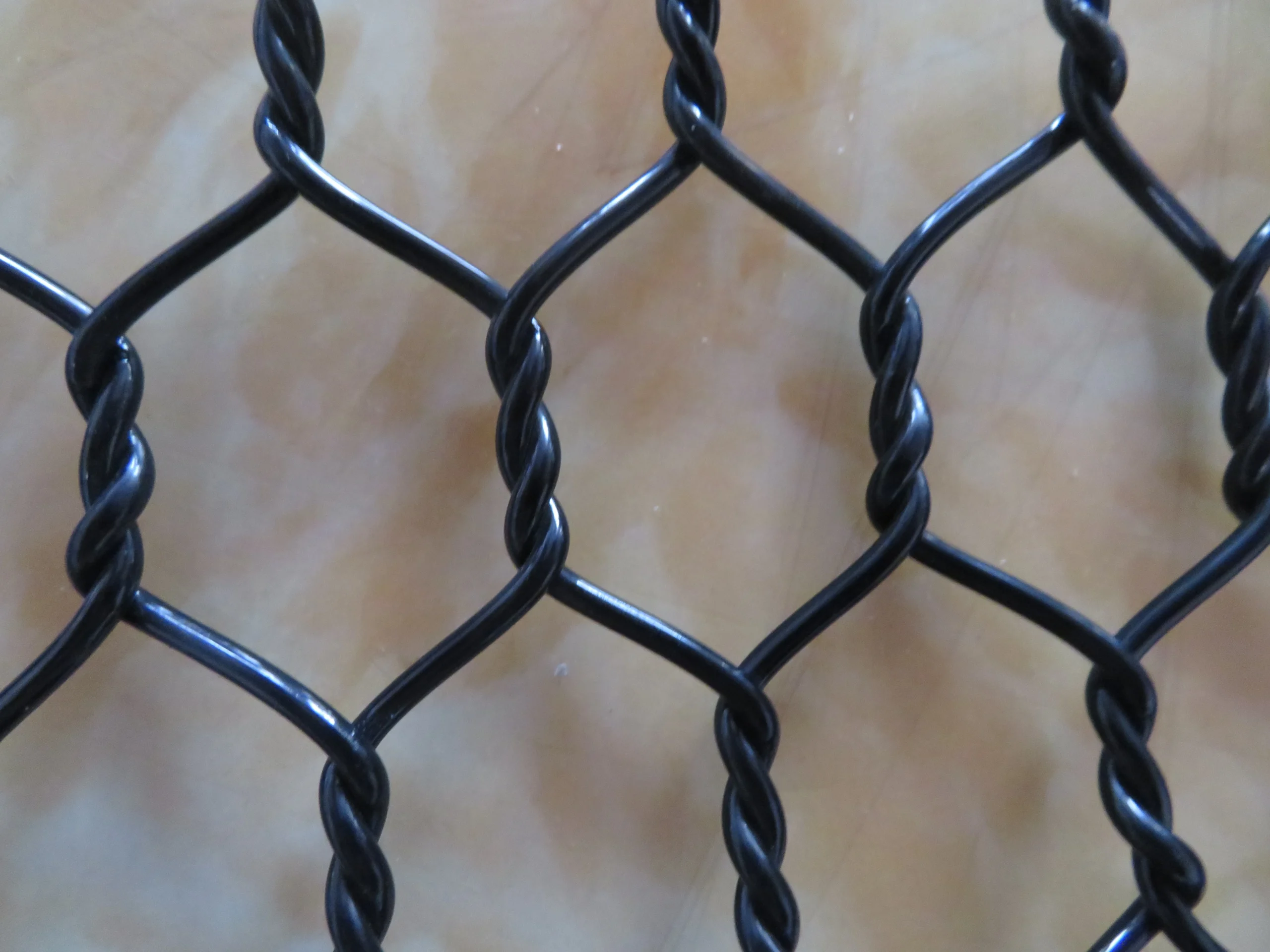
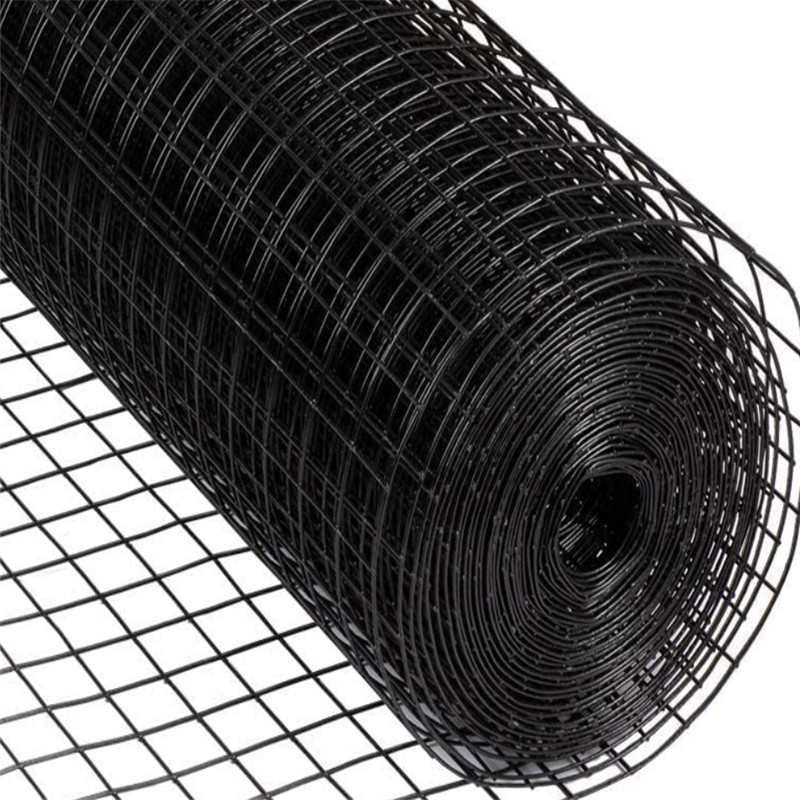
At its core, stainless steel mesh is a fabric made by weaving or welding fine steel wires into a grid pattern. The steel alloy—primarily iron mixed with chromium—makes it corrosion-resistant, which means it won't easily rust or degrade, even outdoors or in saline conditions. It’s a far cry from traditional wire meshes that quickly wear out. This balance of strength and flexibility makes it essential for many sectors. From industrial filtration systems capturing contaminants, to protective screens in humanitarian water projects, stainless steel mesh is a quietly heroic figure in modern infrastructure.
Mini takeaway: Think of stainless steel mesh as a versatile, resilient “net” engineered for safety, filtration, and structural support across myriad applications.
Key Factors of Stainless Steel Mesh
Durability
The corrosion-resistant chromium within stainless steel ensures the mesh stands up to weather, chemicals, and wear. It remains strong for decades, offering a lasting alternative to cheaper metals that weaken or rust.
Scalability & Customization
Available in various mesh sizes and thicknesses, stainless steel mesh adapts to everything from microscopic filters to massive architectural panels. Its customizable nature suits specific industry needs—from filtration to safety screens.
Cost Efficiency
Though initially pricier than some alternatives, its longevity and low maintenance drastically lower lifecycle costs—crucial for public infrastructure and industrial clients focused on long term value.
Environmental Impact
Stainless steel is 100% recyclable without losing quality, supporting circular economy goals. It’s eco-friendly compared to some synthetic meshes, aligning well with increasing global environmental standards.
Versatility
The mesh’s weave type and wire gauge determine how fine or coarse it is, enabling a range of uses: pest control, water purification, architectural decoration, and safety barriers among them.
Mini takeaway: Durability and flexibility make stainless steel mesh uniquely suited for tough tasks where reliability is non-negotiable.
Product Specifications of Typical Stainless Steel Mesh for Sale
| Specification |
Values / Range |
| Material Grade |
304 / 316 (marine grade) |
| Wire Diameter |
0.1 mm to 2.0 mm |
| Mesh Count |
10 to 400 mesh |
| Open Area |
15% to 70% |
| Finish |
Polished, Mill Finish, Passivated |
| Maximum Sheet Size |
2m x 6m |
Comparing Popular Stainless Steel Mesh Vendors
| Vendor |
Material Options |
Lead Times |
Customization |
Price Range |
| HT Mesh Machines |
304, 316, Marine Grade |
2-4 weeks |
High (custom sizes and finishes) |
Mid to High |
| Global Mesh Co. |
304 only |
3-6 weeks |
Medium (standard sizes only) |
Mid |
| Eco Wire Mesh Ltd. |
316 and Eco-Coated |
4-8 weeks |
High (eco-friendly finishes) |
High |
Global Applications & Use Cases
Stainless steel mesh finds diverse uses worldwide. In Asia-Pacific’s chemical plants, it filters hazardous fluids. In Europe, architectural firms employ it for decorative façades that also provide sun shading. NGOs working in East Africa often use stainless steel mesh for sale in water filtration units that filter pathogens from rivers—offering safe drinking water to remote villages. Mining industries in South America wrap machinery in stainless steel mesh guards to protect operators against debris.
Mini takeaway: From factories to humanitarian water filters, stainless steel mesh crosses oceans and sectors—it’s a genuinely global workhorse.
Advantages & Long-Term Value
- Cost Savings: Lower maintenance equates to less downtime and repeated replacements.
- Sustainability: Recyclable and adaptable to green projects.
- Social Impact: Ensures safer, healthier environments—particularly when used in water or air filtration.
- Reliability: Professionals trust it when failure isn't an option.
Frankly, this combination of logic and emotional reassurance—knowing you’re using a product that lasts and protects—makes stainless steel mesh a strong choice.
Future Trends & Innovations
Oddly enough, the future of stainless steel mesh isn’t just in traditional industries. With smart manufacturing and IoT sensors, meshes embedded with nanoscale coatings or digital markers could soon track wear and environmental exposure in real time. Sustainability moves also drive demand for eco-friendlier alloys and recycled content. Automation means custom meshes could be produced faster and cheaper, allowing for localized manufacturing near point-of-use. Green energy sectors increasingly rely on stainless steel mesh for filtering hydrogen or biofuels.
Challenges & Solutions
At times, the higher upfront costs can discourage some buyers. Additionally, specialized mesh sizes may require longer lead times or bespoke manufacturing processes. However, innovative suppliers—like HT Mesh Machines—push back with just-in-time inventory, improved fabrication technology, and recycled-material options to balance cost and quality. Installation in remote areas can be tricky, but modular design and pre-finished panels help speed things up.
FAQ: Frequently Asked Questions About Stainless Steel Mesh for Sale
Q: How do I choose the right stainless steel mesh size for filtration?
A: It depends on the particle size you want to filter. Mesh count refers to openings per inch—a higher mesh count means finer filtration. Typically, consult your application’s particle sizes and match mesh counts accordingly, or ask your supplier for recommendations.
Q: What is the difference between 304 and 316 stainless steel mesh?
A: 316 offers more corrosion resistance than 304, especially against saltwater and chemicals. If your application is coastal or chemical-heavy, 316 is advisable; otherwise, 304 is often sufficient and more cost-effective.
Q: Can stainless steel mesh be used outdoors for architectural purposes?
A: Absolutely, stainless steel mesh is popular in façades and sunshades due to its corrosion resistance and aesthetic appeal. Just ensure you pick the right grade and finish for exposure levels.
Q: Is stainless steel mesh recyclable?
A: Yes, it can be recycled repeatedly without losing quality, supporting environmental sustainability initiatives.
Q: How can NGOs procure stainless steel mesh internationally?
A: Reputable vendors like HT Mesh Machines offer international shipping and custom solutions. NGOs should consider lead times, certifications, and after-sale support when sourcing abroad.
Conclusion + Call to Action
To sum it up, stainless steel mesh for sale embodies a smart investment in durability, environmental responsibility, and global utility. From industrial filtration to water purification and architectural innovation, it meets demanding challenges head-on with impressive resilience. If you’re considering materials that stand the test of time and geography, exploring stainless steel mesh options is worth your while.
Ready to learn more or source your own steel mesh? Visit our website at https://www.htmeshmachines.com to discover customizable, high-quality stainless steel mesh solutions tailored to your needs.
Final thought: Investing in quality mesh is not just about product—it’s about trust in longevity, safety, and environmental stewardship.
References
- ISO Stainless Steel Standards
- World Bank Infrastructure Data
- Stainless Steel - Wikipedia