The Global Importance of Stainless Steel Wire Drawing Machines
If you’ve ever wondered what goes behind producing the fine stainless steel wires used in everything from aerospace cables to medical instruments, the stainless steel wire drawing machine is your unsung hero. These machines don't just matter for manufacturing; they play a vital role globally — ensuring the quality, durability, and precision needed in countless industries. Understanding these machines is key not only to streamlining production but also to meeting growing demands for sustainable, high-performance materials in construction, electronics, and healthcare.
Introduction: Stainless Steel Wire Drawing in Today's Industrial Landscape
Globally, the stainless steel market is booming. According to the International Stainless Steel Forum, global stainless steel production reached roughly 55 million tonnes in 2023 — a testament to steel’s versatility and necessity. And while the raw material is important, how it's processed into usable forms like wire is equally critical. This is where the stainless steel wire drawing machine shines. By transforming thicker rods into finer, more workable wire, it directly impacts industries like automotive manufacturing, electronics, and even renewable energy sectors.
Yet with rising demand comes challenges — like energy consumption during manufacturing or maintaining wire quality at scale. Efficient wire drawing machines address these head-on, improving production speed, reducing waste, and ultimately boosting global supply chains.
What Exactly Is a Stainless Steel Wire Drawing Machine?
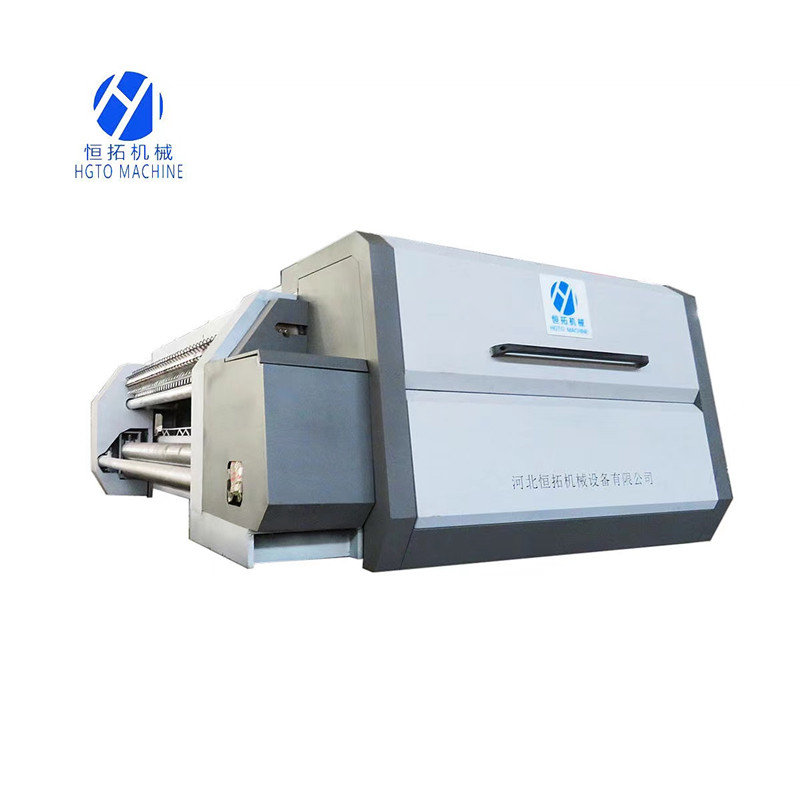
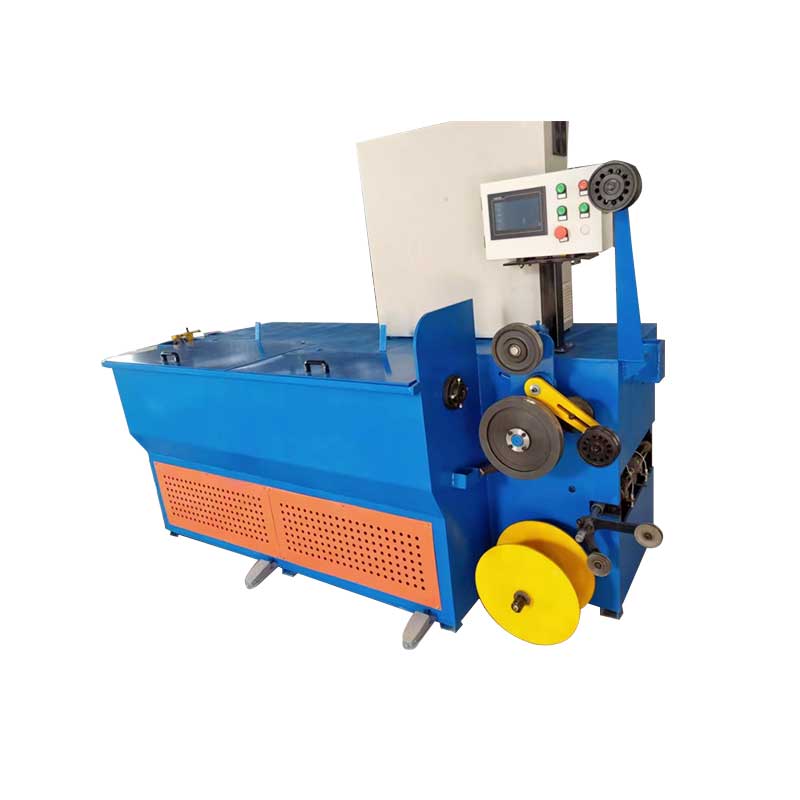
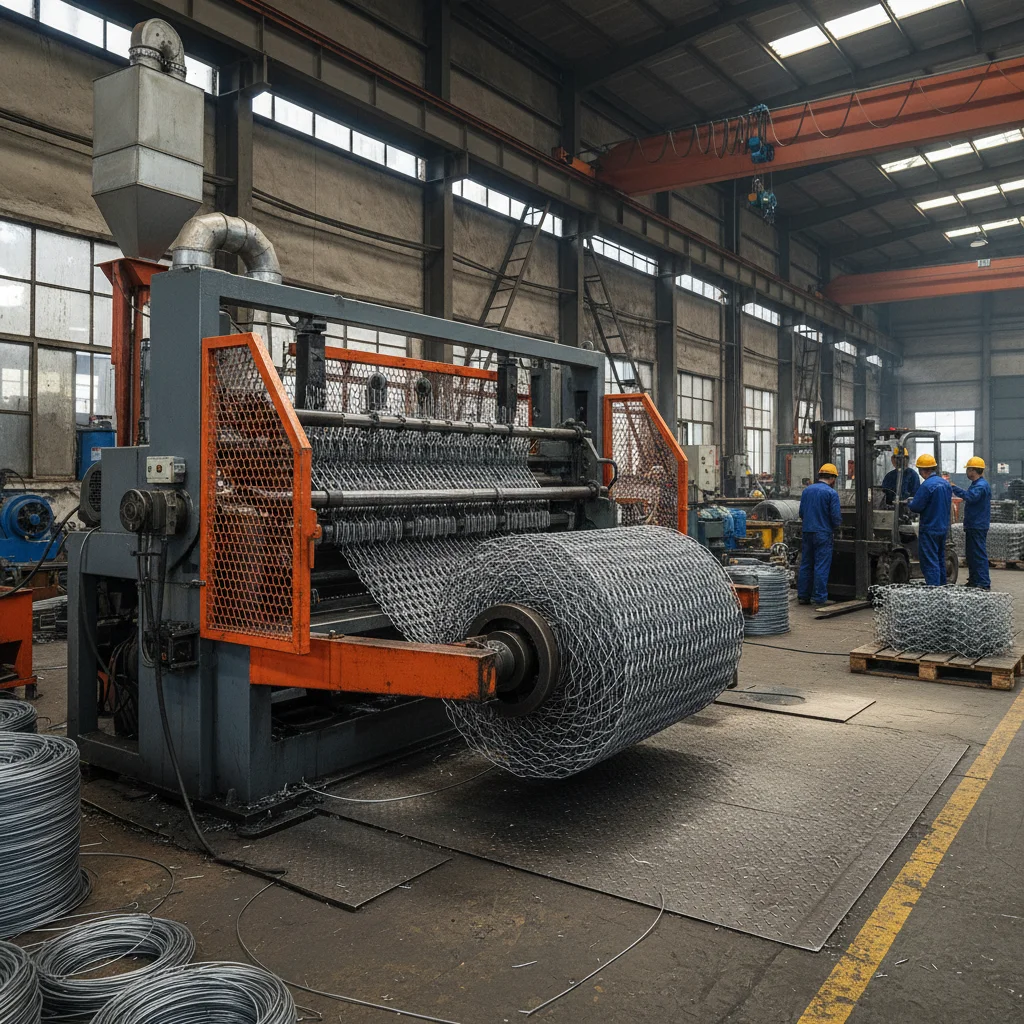
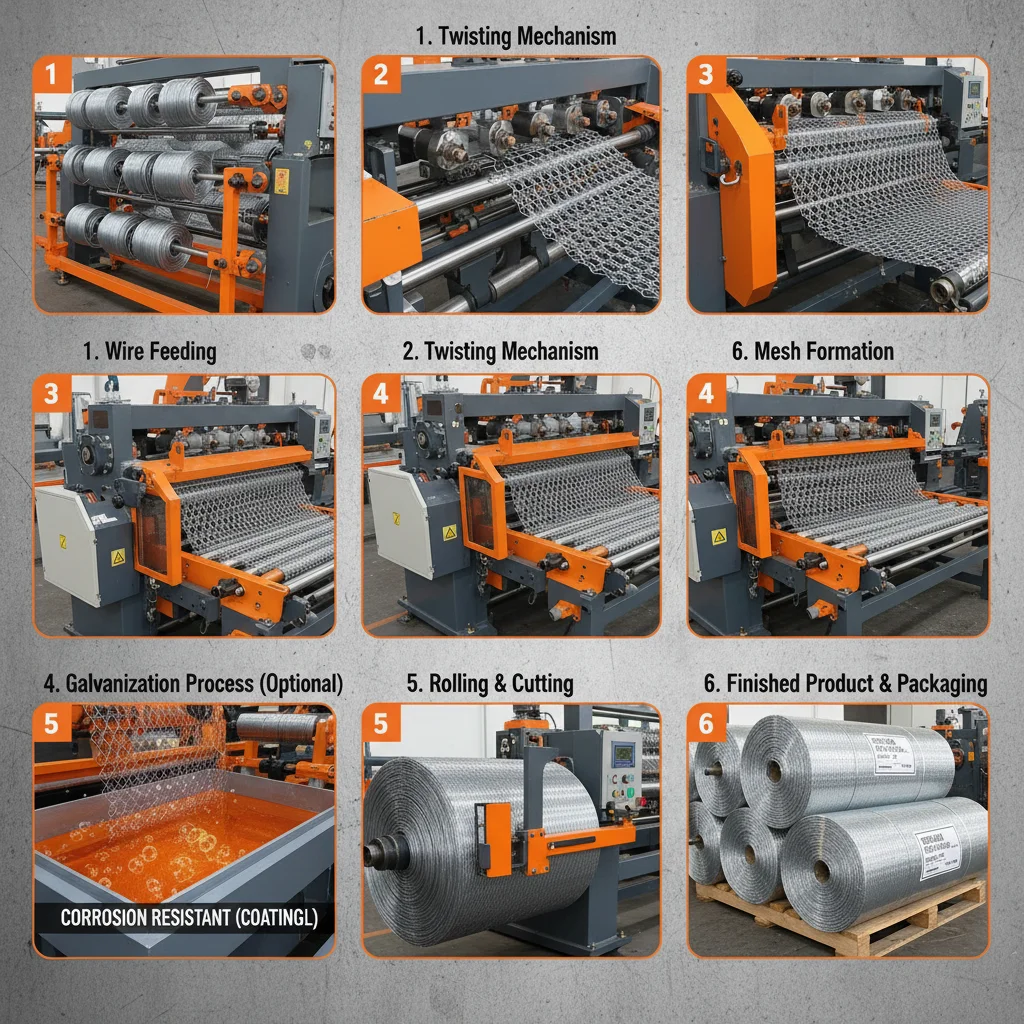
In simple terms, a stainless steel wire drawing machine is specialized equipment that pulls stainless steel rods or wires through a sequence of dies, gradually reducing their diameter and improving mechanical properties. Think of it as stretching a piece of taffy — but instead of candy, it's stainless steel becoming thinner and stronger. This process refines the wire’s surface finish, tensile strength, and flexibility — all crucial depending on its intended use.
Its connection to modern industry can’t be overstated. For humanitarian applications like building disaster-resistant shelters, precise and resilient wire is essential. So it’s not just about manufacturing; these machines help secure infrastructure and, indirectly, human safety.
Core Components and Critical Factors to Consider
1. Durability and Material Compatibility
The machine’s build must withstand the wear-and-tear of drawing hard stainless steel. High-grade steel frames and precision die holders ensure decades of reliable use without fatigue — a big deal when downtime can halt entire production lines.
2. Scalability & Output Flexibility
Many manufacturers need wire in various gauges and lengths. Machines that allow quick die changes and speed adjustments help businesses adapt quickly to market demands without significant downtime or investment.
3. Energy Efficiency
Given concerns around industrial energy consumption, machines optimized for lower horsepower yet delivering consistent torque are desirable. Energy-efficient motors and cooling systems reduce operating costs and environmental impact.
4. Automation & Control Systems
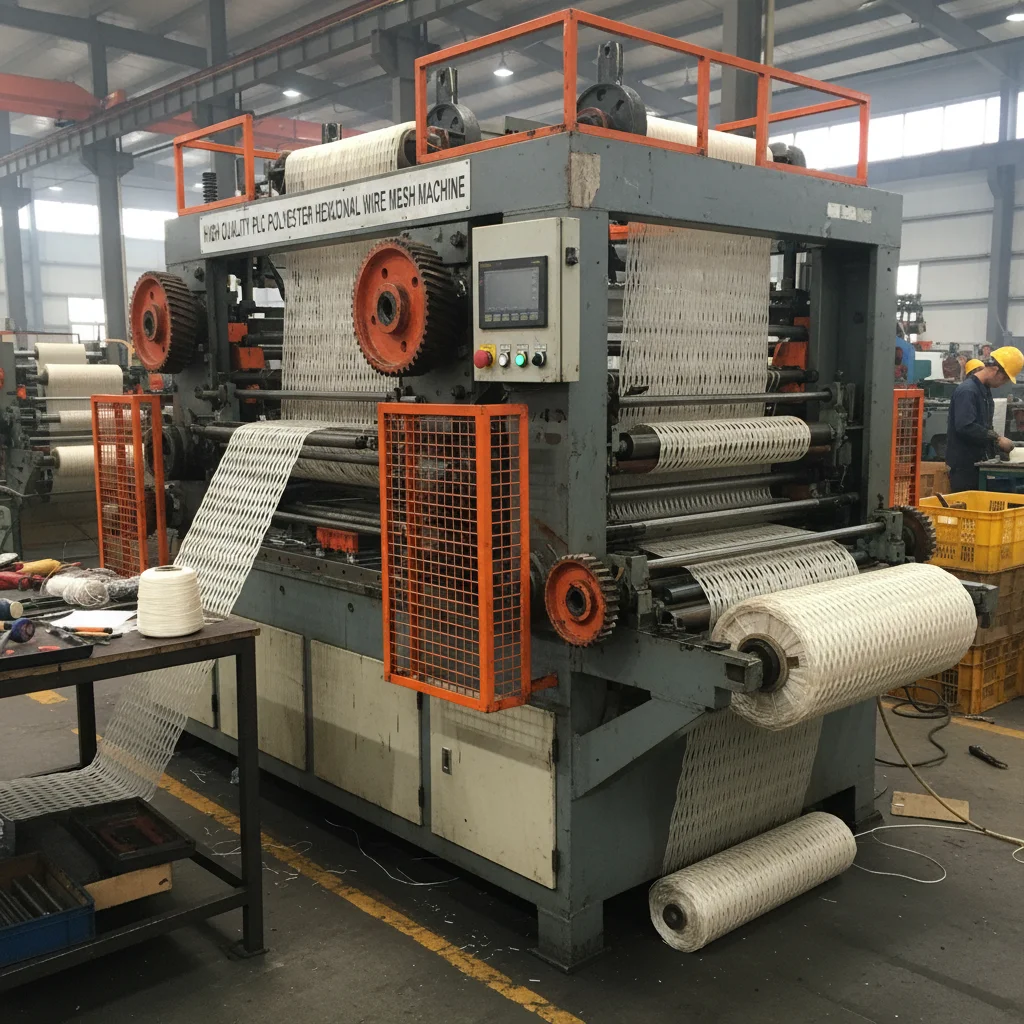
Modern wire drawing machines often feature programmable logic controllers (PLCs) and touchscreen interfaces. These enable precise speed control, tension adjustments, and real-time quality monitoring — effectively reducing waste and operator error.
5. Cost Efficiency & Maintenance
Beyond initial investment, ease of maintenance, availability of consumables (like dies and lubricants), and after-sales support can dramatically affect the long-term operating cost.
Real-World Uses Across the Globe
Stainless steel wire drawing machines aren’t just museum pieces in factories — they’re active enablers in multiple regions and industries:
- Automotive hubs like Germany and Japan rely on drawn wire for critical components like springs and cables.
- Construction sites in the Middle East and Asia, where reinforced wire mesh supports enormous infrastructures.
- Medical device production centers in North America, requiring ultra-fine, corrosion-resistant wire for precision tools.
- Emerging markets: In post-disaster relief operations such as earthquake zones in Turkey or Nepal, stainless steel wire helps produce reliable fastening materials and temporary housing frames.
- Renewable energy projects in Europe use highly tensile stainless steel wires for wind turbines and solar panel supports.
Each application demands slightly different machine specs — showcasing why versatile stainless steel wire drawing machines are so valuable.
Mini Takeaway:
From critical infrastructure to emergency relief, stainless steel wire shaping through drawing machines is quietly fundamental in many sectors worldwide.
Advantages and Long-Term Value of These Machines
Choosing the right stainless steel wire drawing machine delivers benefits beyond shiny metal and consistent diameter. Here’s what many engineers and plant managers often remark on:
- Cost-effectiveness: Higher throughput and less waste lower unit cost dramatically.
- Sustainability: Stainless steel’s recyclability combined with energy-efficient machines supports greener manufacturing goals.
- Reliability & Safety: Uniform wires reduce failures in high-stress applications, ensuring durability and user safety.
- Social impact: Quality materials improve not just products but also living conditions indirectly — think safer construction or medical tools.
The emotional angle shouldn’t be overlooked either — workers take pride in producing top-tier materials, and companies gain trust through consistent quality.
Future Trends: Automation, Sustainability, and Smart Manufacturing
Like every industrial niche, wire drawing machines are evolving rapidly. A few notable upcoming features:
- Green energy integration: Machines powered partially by renewable sources or equipped with advanced energy recovery systems.
- Digital Twins: Virtual models that simulate the drawing process, enabling predictive maintenance and optimization before actual production starts.
- Advanced materials: New stainless steel alloys tailored for even more demanding environments require gentler or tailored drawing techniques.
- IoT sensors: Real-time data on temperature, tension, and surface finish feed into smart production lines.
Practical Challenges and Their Solutions
Despite great strides, a few hurdles persist:
- Die wear: Stainless steel’s hardness can rapidly degrade drawing dies. Solution: innovative die coatings and automated die change systems.
- Wire surface defects: Caused by impurities or tension irregularities; solved by improved lubrication and real-time monitoring.
- Energy costs: Especially in regions with high electricity prices — addressed by machine efficiency upgrades and alternative power sourcing.
- Skilled labor availability: Needed for setup and troubleshooting; increasingly offset by better UI and remote support capabilities.
Product Specification Table
| Specification |
Value |
| Wire Diameter Range |
0.1 mm – 10 mm |
| Maximum Drawing Speed |
50 m/min |
| Power Consumption |
15 kW (average) |
| Automation Level |
PLC controlled with touchscreen interface |
| Die Material |
Tungsten carbide with TiN coating |
| Machine Weight |
1500 kg |
Vendor Comparison at a Glance
| Vendor |
Price Range |
Automation Level |
Local Support |
Lead Time |
| HTM Machines |
$75,000 - $120,000 |
Full PLC control, touchscreen |
Worldwide |
6–8 weeks |
| WirePro Solutions |
$65,000 - $110,000 |
Semi-automated |
Asia, Europe |
8–10 weeks |
| SteelDraw Inc. |
$80,000 - $130,000 |
Advanced, IoT-enabled |
North America |
10–12 weeks |
FAQ: Frequently Asked Questions About Stainless Steel Wire Drawing Machines
1. What wire diameter ranges can stainless steel wire drawing machines handle?
Most modern machines can process stainless steel wire diameters from as small as 0.1 mm up to around 10 mm, depending on the model and die setup. Some specialized industrial equipment may handle even larger gauges but expect trade-offs in speed and precision.
2. How does automation improve the wire drawing process?
Automation enables precise control over speed, tension, and die lubrication. It reduces human error, minimizes material waste, and speeds up production cycles. Advanced machines may also include real-time monitoring, allowing for quick adjustments and predictive maintenance.
3. Can the machines draw other metals besides stainless steel?
While primarily designed for stainless steel, many wire drawing machines are versatile enough to process copper, aluminum, and other alloys, provided dies and settings are properly adjusted. However, hardness and ductility of the metal affect machine configuration.
4. What maintenance is typically required?
Regular lubrication, die inspection, and cleaning prevent premature wear. Periodic calibration of tension controls and motors keeps output quality consistent. Most manufacturers recommend a preventative maintenance schedule with professional servicing yearly.
5. Are these machines energy-efficient?
Newer models incorporate energy-saving motors and intelligent control systems. While stainless steel drawing is inherently energy-intensive due to metal hardness, many manufacturers now focus on optimizing power consumption without sacrificing quality.
Conclusion: Why Investing in a Stainless Steel Wire Drawing Machine Pays Off
In the long run, a well-chosen stainless steel wire drawing machine is not just equipment — it’s an investment in innovation, sustainability, and quality assurance. As industries worldwide demand more precise and reliable stainless steel wire, these machines bridge the gap from raw metal to critical component seamlessly and efficiently.
If you want to explore the best options tailored to your needs, visit our website for detailed specs, customization, and expert guidance. After all, in an increasingly connected and competitive market, having the right technology can make all the difference.
Mini Takeaway:
Long-term gains in cost, quality, and adaptability make stainless steel wire drawing machines essential tools for modern manufacturers.
References:
1. International Stainless Steel Forum (ISSF) Annual Report 2023
2. ISO 16120-1: Steel Wire Drawing and Finishing Standards
3. United Nations Industrial Development Organization (UNIDO) - Sustainable Manufacturing Practices