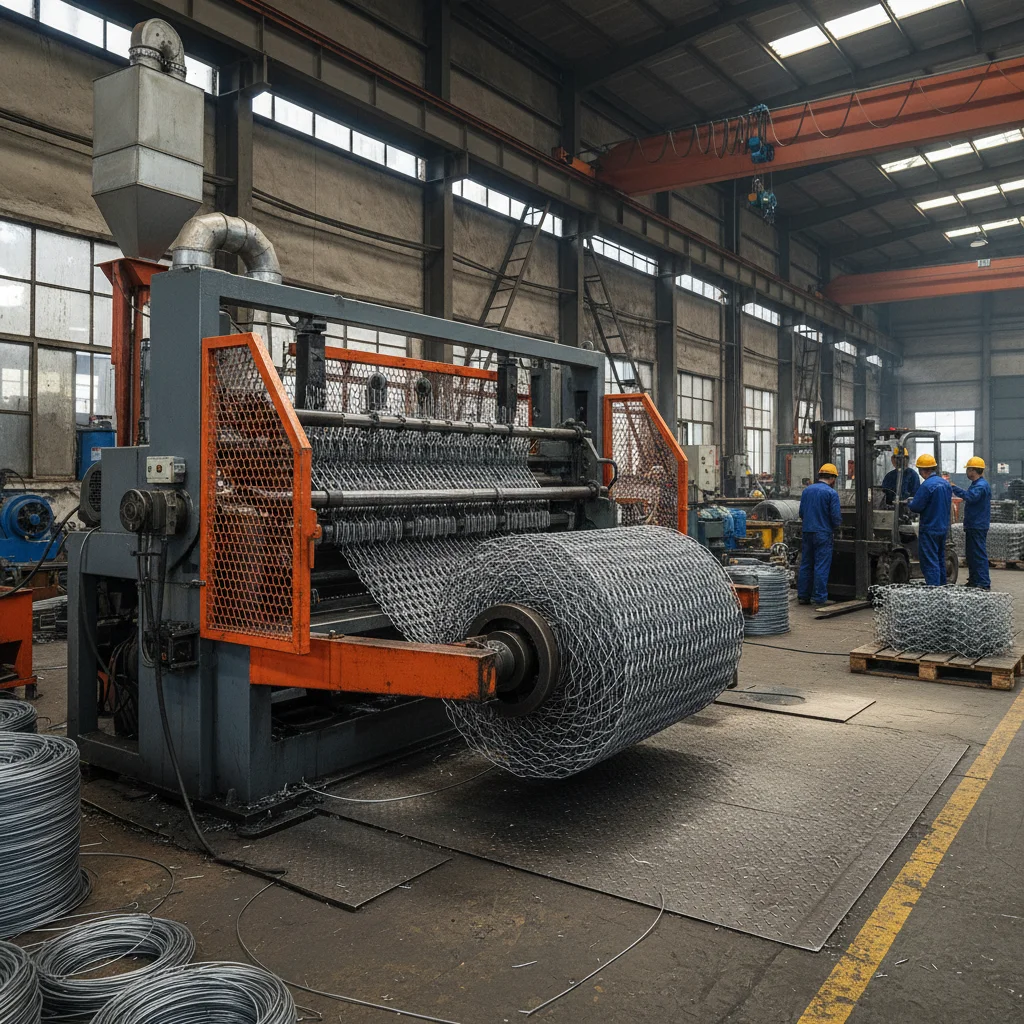
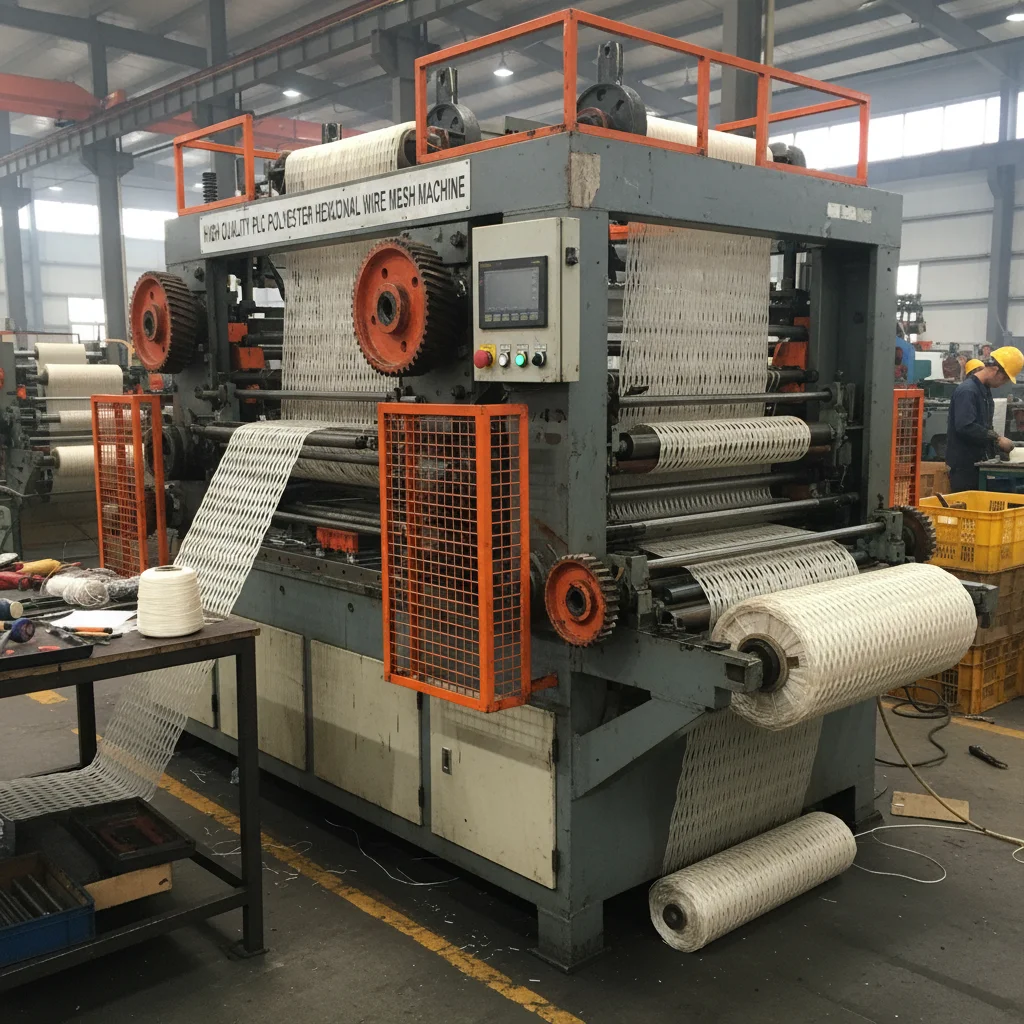
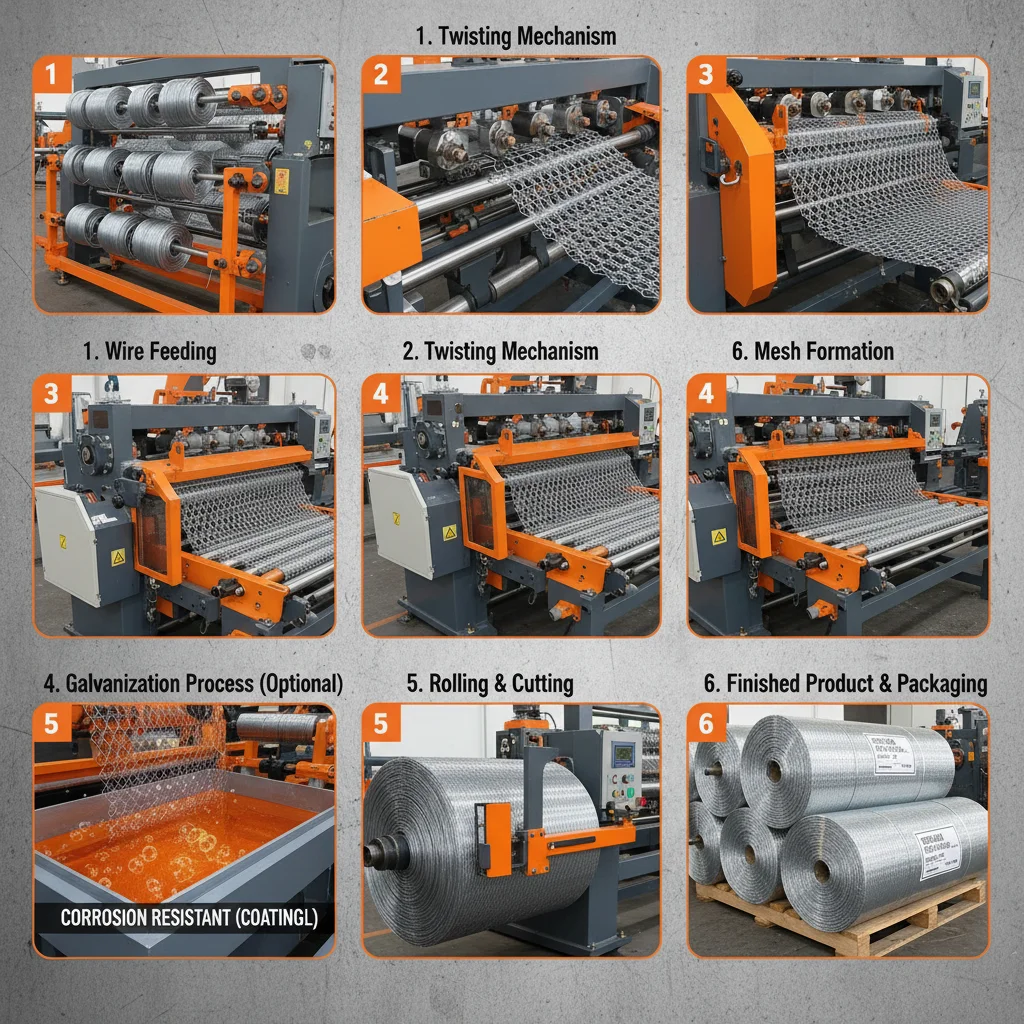
Understanding the Steel Mesh Making Machine and Its Growing Global Importance
If you’ve ever wondered what holds modern concrete structures together or how protective fencing gets its uniform, durable design, then you’re on the cusp of learning about the steel mesh making machine. Simple in idea but sophisticated in execution, these machines craft the steel grids essential for construction, agriculture, and even disaster relief worldwide. Their role isn’t just about weaving metal wires into grids; it’s about making infrastructure safer, building more sustainable communities, and speeding up industrial workflows.
Globally, the demand for reinforced concrete and protective barriers continues to rise. According to the World Steel Association, steel production topped 1.9 billion metric tons in 2023, with mesh products accounting for a vital portion of that output. This underscores why understanding the machines behind it is more than technical trivia—it’s about grasping a key technology that supports billions of people’s homes, roads, and industries.
Mini takeaway: Steel mesh making machines quietly power global infrastructure by producing essential reinforcement materials that make buildings and fields stronger and safer.
The Global Landscape: Why Steel Mesh Making Machines Matter
The construction sector alone accounts for around 38% of global CO2 emissions, per the International Energy Agency. While steel mesh seems an inconspicuous player in this, the machines that make them are instrumental in optimizing material use, reducing waste, and speeding construction timelines—so indirectly, they help tackle climate goals. In many emerging economies, where urbanization is accelerating rapidly, affordable and reliable steel mesh means faster housing projects and more resilient cities.
On the flip side, the challenge often lies in balancing cost with quality and environmental impact. Machines that can accommodate different wire gauges and mesh sizes help manufacturers pivot quickly to meet regional demands, whether that’s tighter mesh for earthquake-prone zones or larger grids for agricultural fencing.
Mini takeaway:
The steel mesh making machine is at the intersection of economic growth and sustainable construction, helping deliver stronger structures while keeping an eye on planetary limits.
What Exactly Is a Steel Mesh Making Machine?
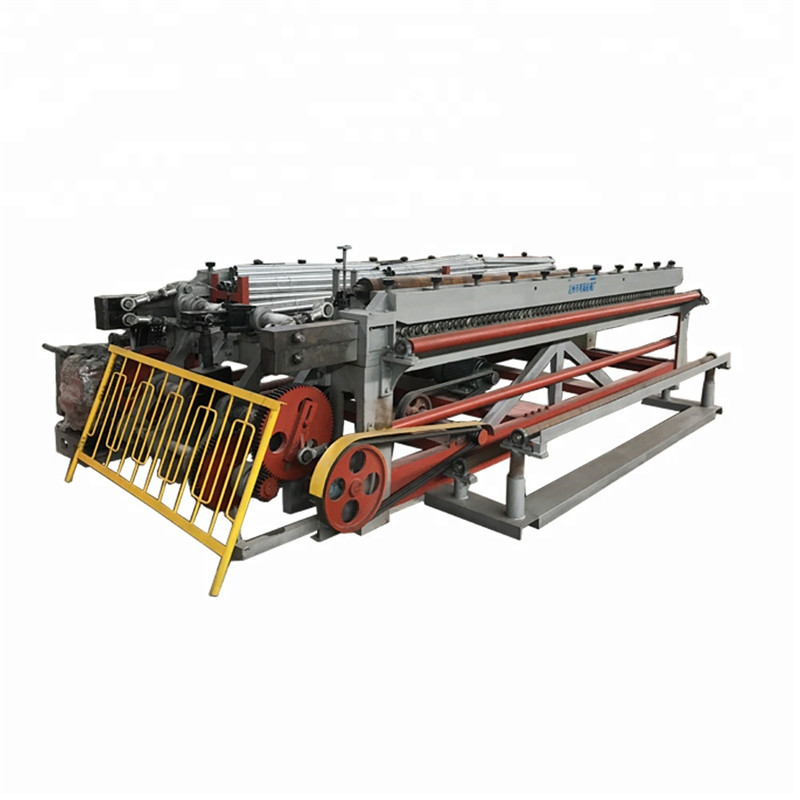
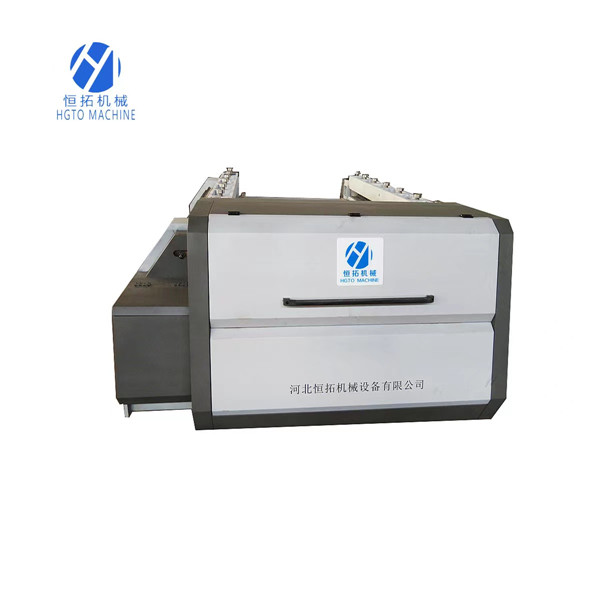
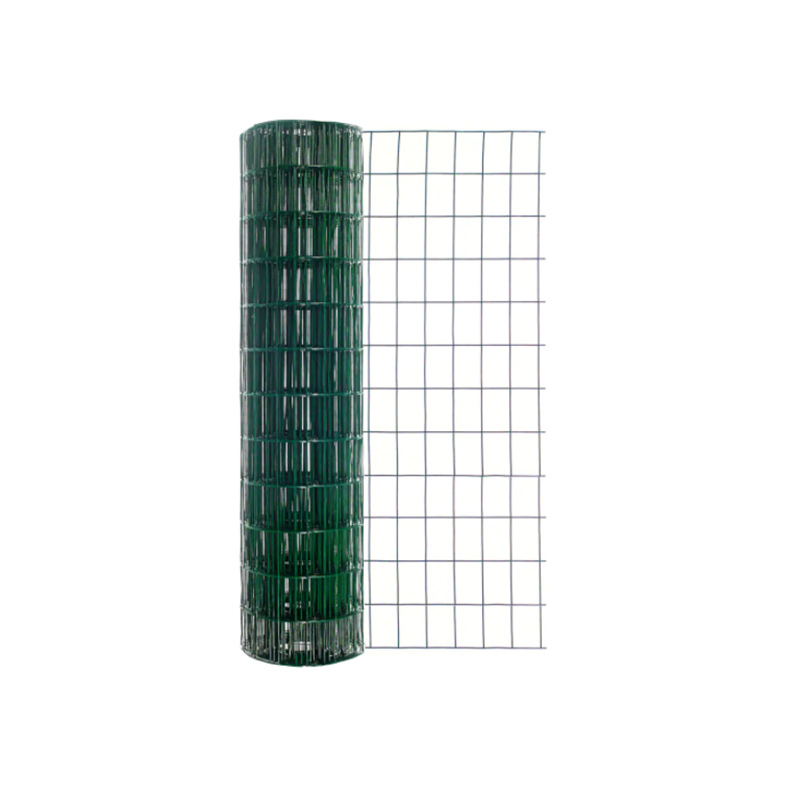
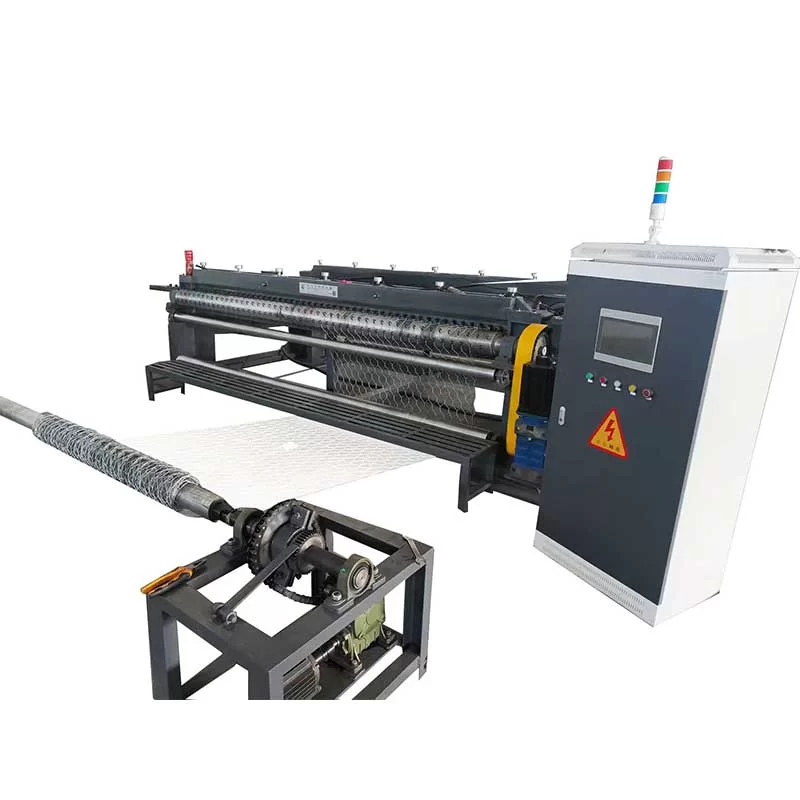
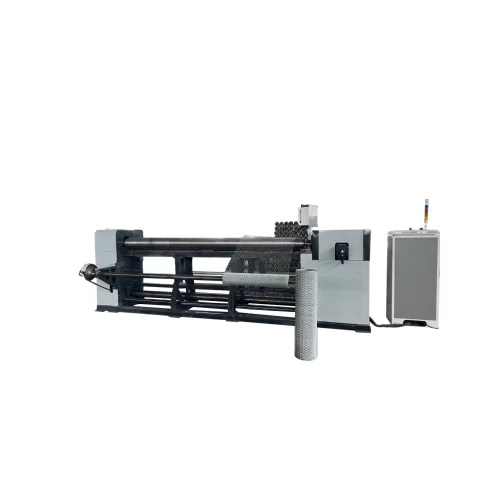
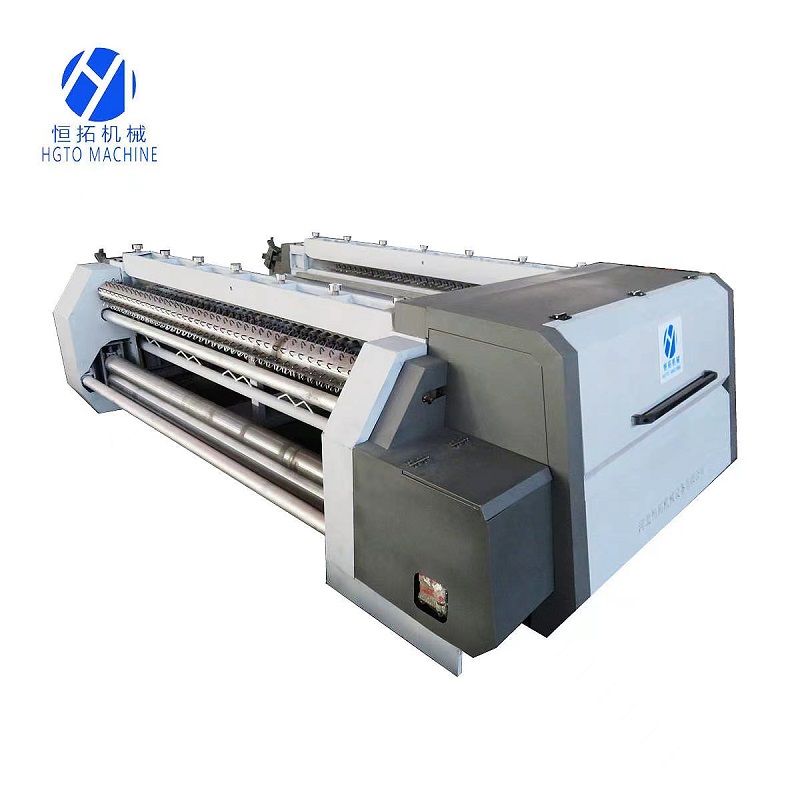
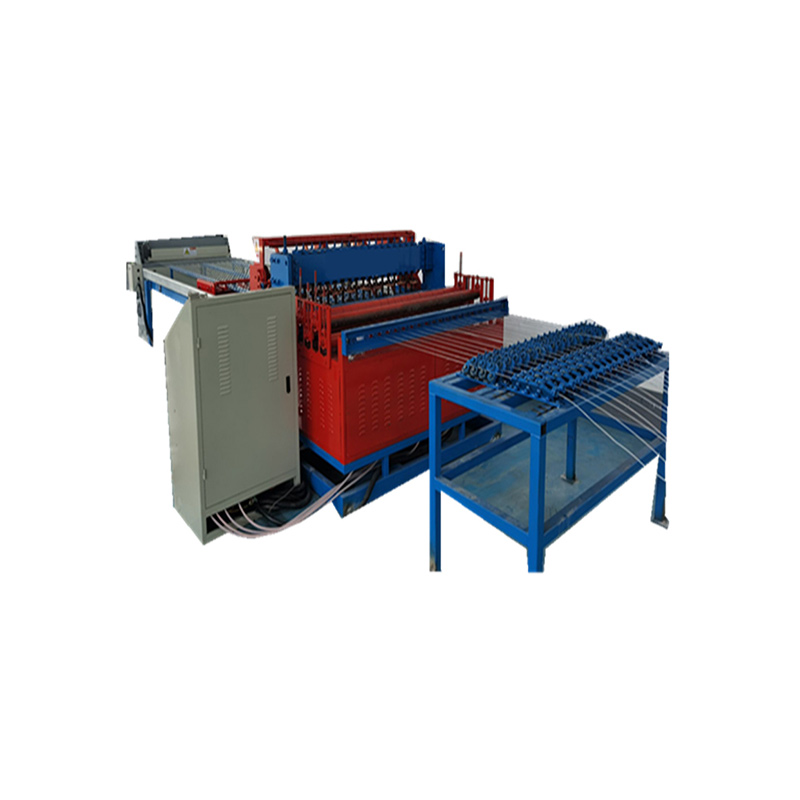
Simply put, a steel mesh making machine is an industrial device designed to automate the process of weaving or welding steel wires into grid-like sheets or rolls. These meshes are the backbone of reinforced concrete slabs, fences, cages, and more. Instead of manual labor, this machine delivers speed, precision, and consistent quality, which are critical for meeting modern engineering standards.
These machines are closely tied to modern industry and humanitarian operations alike—for instance, NGOs often rely on standardized mesh for quick-assembly shelters or secure perimeters during relief missions.
Mini takeaway:
It's more than a piece of corded metalwork machinery—it’s a tool that engineers, builders, and humanitarians depend on to weave safety and strength into daily life.
Core Components and Features of Steel Mesh Making Machines
Wire Feeding System
This controls the wire input, ensuring a smooth, continuous supply without tangles or breaks. It’s essential for maintaining mesh integrity and production speed.
Welding Unit
Most machines use electric resistance welding to fuse wires at intersections. The quality of welding determines the mesh’s durability under strain — think disaster-resistant buildings.
Mesh Size Adjustment
Flexibility to change grid spacing and wire diameters is crucial for serving different applications—from fine mesh for insulation cages to larger grids for highway barriers.
Automation and Control Panel
Modern models integrate automated controls (PLC systems) that allow for easy operation, monitoring, and error detection, reducing downtime and waste.
Durability and Material Handling
Robust steel frame construction and corrosion-resistant parts mean these machines can work nonstop in demanding factory environments.
Mini takeaway:
Each core part plays a role: feed smoothly, weld strongly, adjust accurately, and operate smartly make for a functional steel mesh maker.
Where Steel Mesh Machines Make a Difference Globally
Steel mesh making machines serve a diverse spread of industries and regions:
- Construction: in urban centers like Shanghai and São Paulo, steel mesh enables taller, safer buildings with less material waste.
- Agriculture: rural zones in Sub-Saharan Africa rely on fence mesh to secure livestock and protect crops from wildlife.
- Disaster Relief: NGOs coordinate quick deployments of mesh-reinforced shelters in earthquake-hit regions of Nepal and Turkey.
- Industrial zones: automated facilities in Germany and South Korea use advanced mesh for safety cages and machinery guards.
Mini takeaway:
From megacities to remote farms, the steel mesh making machine is a true global workhorse, increasingly vital in diverse settings.
Advantages and Long-Term Value of Using Steel Mesh Making Machines
The advantages of deploying quality steel mesh machines go beyond just production speed:
- Cost Efficiency: Automation reduces labor and material waste, translating to lower overall costs.
- Sustainability: Controlled wire usage leads to less steel scrap and energy consumption during manufacturing.
- Reliability: Consistent weld strength offers engineers trustworthy structural components.
- Social Impact: Faster production means quicker access to shelter and infrastructure in developing regions.
- Safety: Uniform mesh minimizes weak points in concrete reinforcement, which ultimately saves lives.
When you think about it, a steel mesh making machine is an enabler of trust in infrastructure — something people often take for granted until things go wrong.
Mini takeaway:
These machines don’t just make mesh, they underpin resilience, social welfare, and sustainable progress.
Looking Ahead: Future Trends in Steel Mesh Making Technology
So, what’s on the horizon for the steel mesh making machine?
- Green Energy & Materials: manufacturers are experimenting with hybrid machines powered partially by solar to cut carbon footprints.
- Digital Transformation: IoT sensors monitor machine health in real time, minimizing downtime and predictive maintenance costs.
- Automation & Customization: newer models offer quick-swapping parts to produce different mesh sizes on the fly, ideal for just-in-time manufacturing.
- Advanced Welding Technologies: laser or ultrasonic welding may soon provide even stronger and lighter grids.
Mini takeaway:
The future feels quite automated, smarter, and greener — all good news for industries relying heavily on steel mesh products.
Challenges and Ways Forward
While steel mesh making machines are remarkable, they face hurdles:
- High Initial Costs: the upfront investment can deter smaller manufacturers, especially in low-income regions.
- Training Needs: operators require skilled training to keep machines running safely and efficiently.
- Maintenance: some components require frequent upkeep to avoid production hiccups and quality loss.
Solutions? Leasing programs, remote training modules, and modular machine designs that simplify maintenance are gaining traction. Some vendors even supply steel mesh making machine packages that bundle support and upgrades—for instance, reducing training hurdles for new clients.
Mini takeaway:
These challenges are not roadblocks but invitations for smarter business models and continuous improvement.
Steel Mesh Making Machine FAQ
Q1: What factors should I consider when choosing a steel mesh making machine?
A1: Key considerations include production capacity, mesh size versatility, automation level, and warranty/support services. It’s crucial to match the machine’s specs to your project needs to avoid costly upgrades later.
Q2: How durable is the steel mesh produced by these machines?
A2: When properly welded and using quality wire, steel mesh typically meets international standards like ISO 10223, which ensures strong, consistent reinforcement suitable for structural uses.
Q3: Can these machines produce custom mesh sizes for specialized applications?
A3: Yes, many modern machines allow quick adjustments on mesh dimensions and wire thickness, making them flexible for everything from fencing to heavy industrial cages.
Q4: How do I maintain the machine to ensure long-term performance?
A4: Regular cleaning, lubrication, and scheduled check-ups of welding electrodes and wire feeders are essential. Many vendors offer maintenance contracts to simplify this process.
Q5: Is automated steel mesh production environmentally friendly?
A5: Automated production optimizes raw material use and reduces scrap, contributing to environmental sustainability alongside lifecycle benefits of reinforced concrete structures.
Product Specification Table: Typical Steel Mesh Making Machine
| Feature |
Specification |
| Max Wire Diameter |
6.0 mm |
| Mesh Size Range |
50 mm - 200 mm |
| Production Speed |
100 - 150 m²/hour |
| Power Supply |
380 V / 50 Hz / 15 kW |
| Control System |
PLC + Touch Screen |
| Machine Weight |
4500 kg |
Vendor Comparison Table: Steel Mesh Machine Suppliers
| Vendor |
Price Range (USD) |
Automation Level |
Warranty (Years) |
After-Sales Support |
| HT Mesh Machines |
$45,000 - $60,000 |
High (PLC + IoT Monitoring) |
3 |
24/7 Remote + Onsite |
| SteelPro Equipments |
$38,000 - $55,000 |
Medium (Semi-automatic) |
2 |
Business Hours Phone Support |
| Global Mesh Tech |
$50,000 - $70,000 |
High (Full Automation) |
4 |
Comprehensive Onsite Service |
Wrapping Up: Why Invest in Steel Mesh Making Machines?
To circle back, steel mesh making machines are quietly revolutionizing the ways we build and protect our communities. Investing in such machinery isn’t just about owning a production tool—it’s a commitment to durability, sustainability, and social responsibility. If you’re in the construction or industrial sectors, these machines can boost your efficiency, reduce wastage, and ultimately, improve lives.
Curious to explore the ideal machine for your business? Visit our website: https://www.htmeshmachines.com to see how a steel mesh making machine fits your future.
References
- World Steel Association
- International Energy Agency - Construction Sector
- Wikipedia - Reinforced Concrete