Why the Intermediate Wire Drawing Machine Matters — A Global Perspective
In a world increasingly reliant on high-precision materials, the intermediate wire drawing machine quietly forms the backbone of countless industries. From construction to electronics, the ability to transform coarse wire into a refined, durable product holds vast economic and humanitarian importance.
Why care so much about this niche machine? Simply put, it’s where raw materials begin to take shape, enabling stronger infrastructure, safer electrical grids, and even medical device manufacturing. Especially in emerging economies aiming to bridge industrial gaps, understanding this technology isn’t just a curiosity — it’s a necessity.
The Global Context: Industry Demand and Challenges
According to the International Organization for Standardization (ISO), the demand for fine wire products is expected to grow steadily by 3–5% annually through the next decade, thanks mostly to expanding electronics manufacturing and renewable energy sectors. Meanwhile, the United Nations industrial development reports highlight how small and medium enterprises (SMEs) depend heavily on efficient wire processing to maintain competitiveness.
Yet, a lingering problem is the inefficiency and breakage rates in wire processing stages — issues that intermediate wire drawing machines are designed to tackle head-on. Too often, outdated equipment sucks productivity dry or forces costly imports, slowing progress worldwide.
Defining the Intermediate Wire Drawing Machine: What Does It Actually Do?
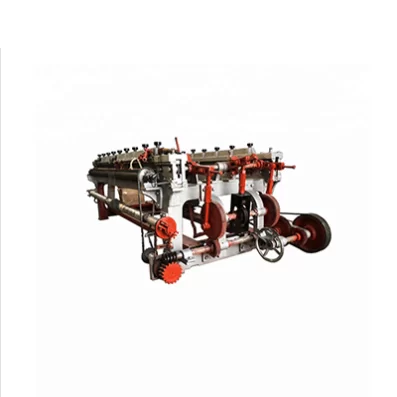
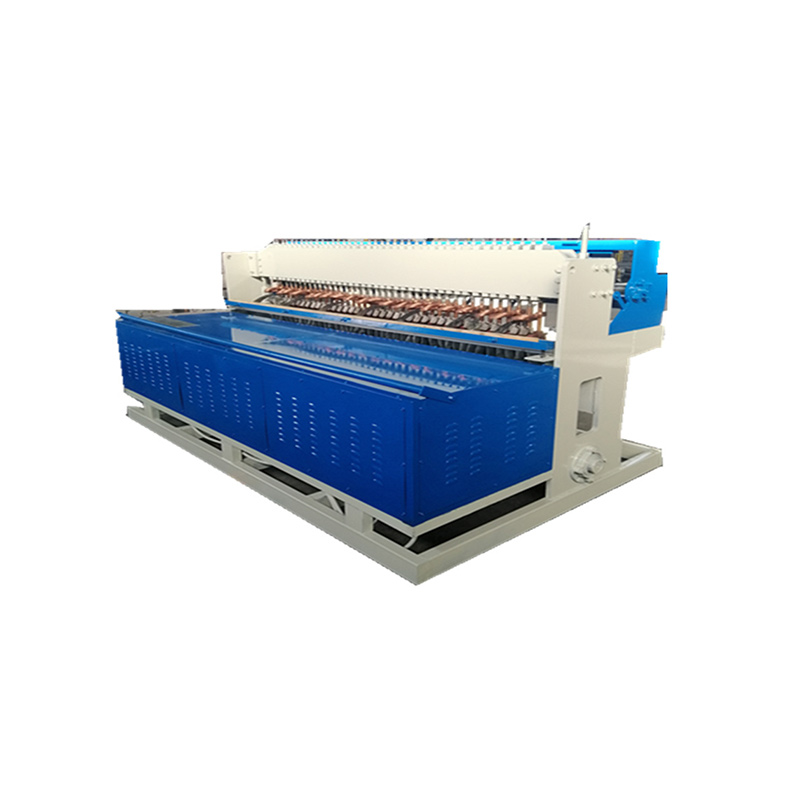
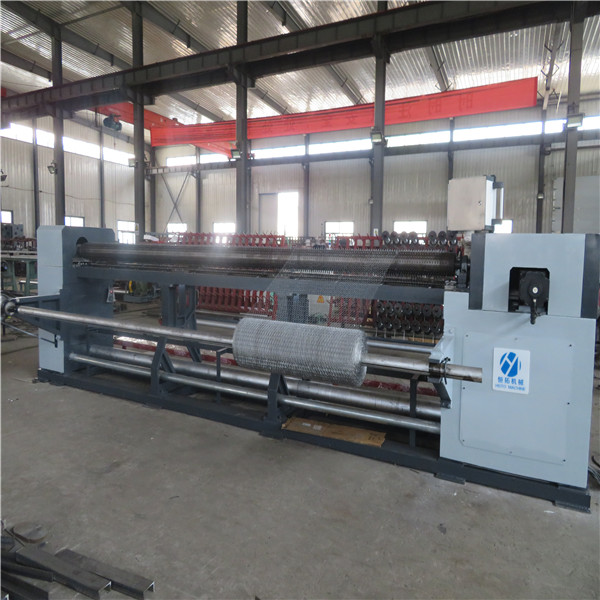
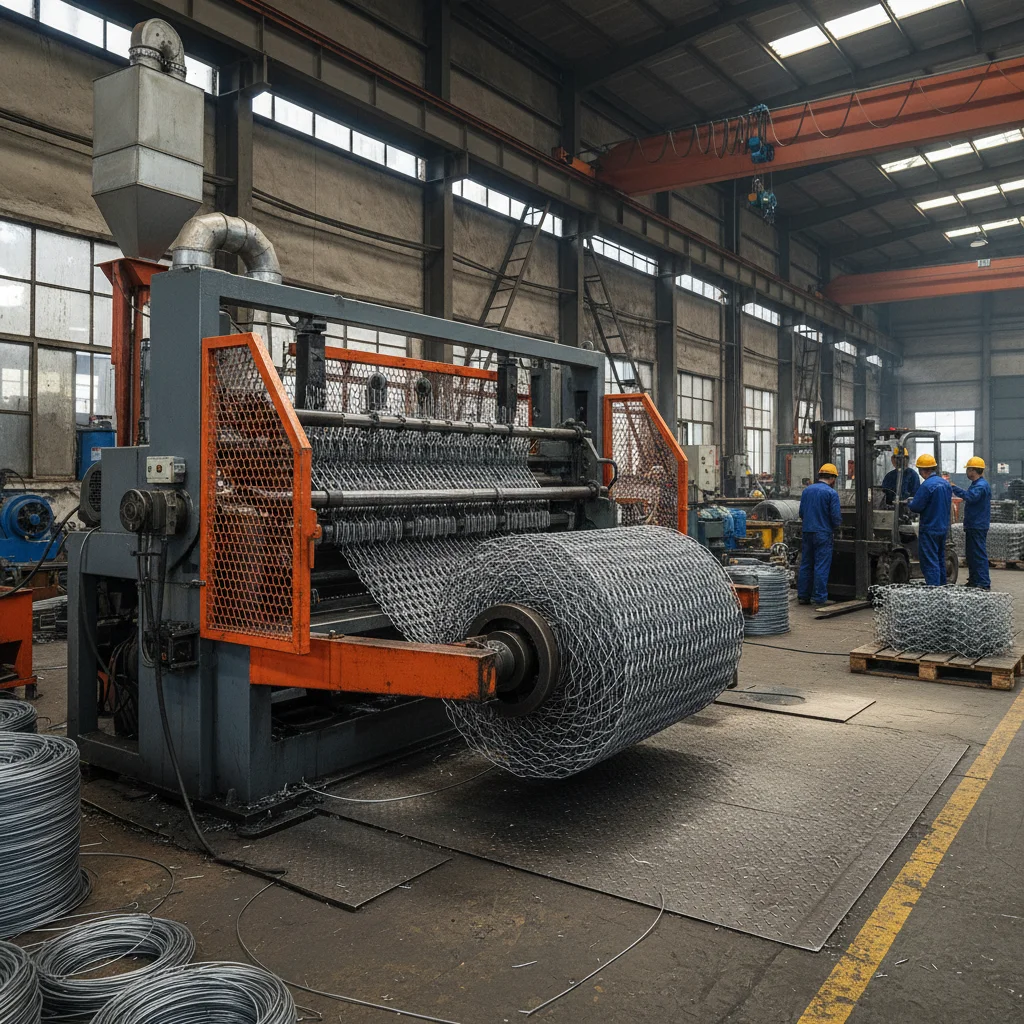
At its core, an intermediate wire drawing machine pulls thicker wire rods through a series of dies to reduce them to smaller diameters, improving tensile strength and surface finish along the way. Think of it as the ‘middle child’ of the wire production chain — not the first rough cast, but not the final ultra-fine strand either.
This step is critical because it sets the stage for further shaping and coating. Without it, you end up with brittle, inconsistent wire that might snap or corrode prematurely. The machine’s precision and control translate directly into quality and reliability downstream, whether you’re making power cables or surgical instruments.
Core Components and Key Features
1. Durability and Build Quality
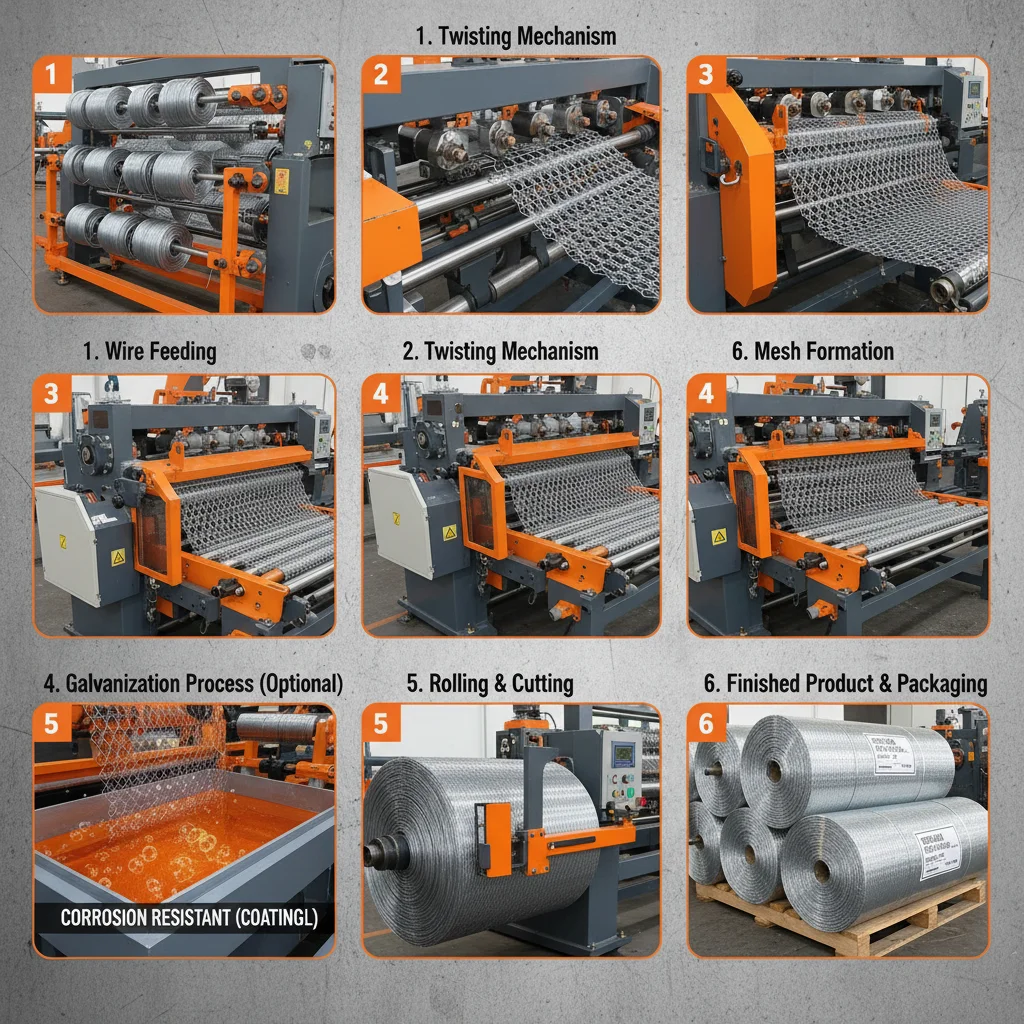
Typically, the machine's frame is built from high-grade steel to withstand the constant tension applied during wire drawing. Many manufacturers now integrate corrosion-resistant coatings, because unexpected downtime from rust is a headache few want.
2. Scalability and Throughput
From modest setups processing a few kilograms per hour, to large industrial models churning out tons daily, the scalability factor varies widely. This flexibility suits SMEs and big factories alike — an important selling point for global markets.
3. Precision Control Systems
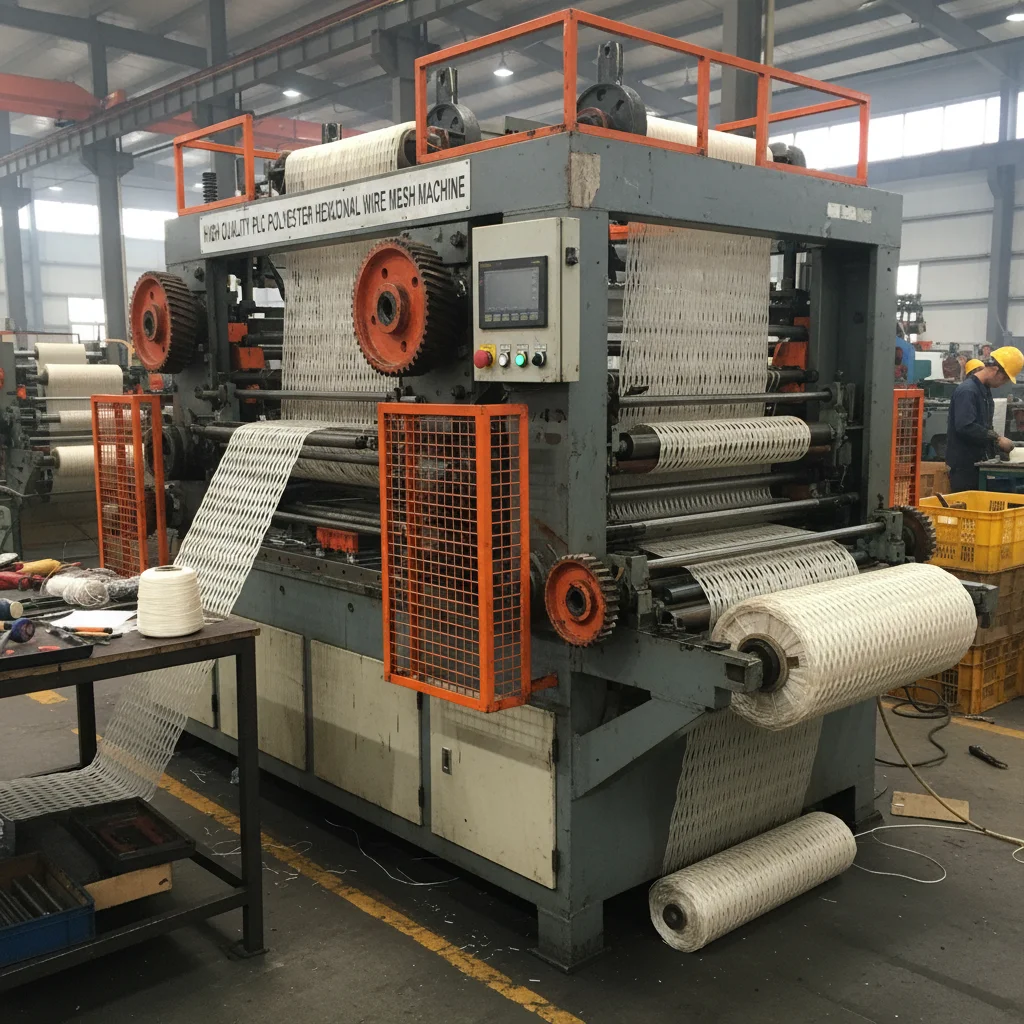
Modern iterations often feature digital controls with feedback loops monitoring wire tension and speed, reducing breakages and ensuring dimensional accuracy. Many engineers swear by this technology, especially for delicate alloys.
4. Energy Efficiency
With global energy prices fluctuating and sustainability becoming more than just a buzzword, efficient motors and optimized mechanical systems are now standard for next-gen machines.
5. Maintenance and Accessibility
Easy access panels, self-lubrication systems, and modular components help minimize downtime. Frankly, this might be one of the most overlooked but vital components for end-users.
6. Safety Features
Wire drawing can be dangerous if mishandled. Many models now feature emergency stops, guards, and automated tension monitoring to protect workers.
Mini Takeaway: The intermediate wire drawing machine isn’t one-size-fits-all. Its value lies in how these features align with production goals, cost limits, and quality standards.
Intermediate Wire Drawing Machines in Action Across the Globe
In real-world terms, this equipment is pivotal in places like Southeast Asia and Eastern Europe, where manufacturing hubs for consumer electronics rely on precision wire for connectors and coils. For example, a notable factory in Vietnam used upgraded intermediate wire drawing tech to reduce cable breakage by nearly 15%, saving thousands annually.
In post-disaster zones, especially after earthquakes or hurricanes, robust wire helps rebuild infrastructure faster and safer, supporting emergency setups that require reliable electrical wiring. Think of remote industrial zones in Africa needing durable mesh wiring for solar panels — this machine’s output makes a genuine difference.
Product Specification Table
| Specification |
Typical Range |
Remarks |
| Wire Diameter Input |
3 mm - 12 mm |
Varies by model |
| Wire Diameter Output |
0.2 mm - 8 mm |
Multiple stages possible |
| Motor Power |
15 kW - 50 kW |
Energy-efficient options available |
| Drawing Speed |
50 m/min - 200 m/min |
Depends on wire material |
| Control System |
Digital PLC w/ feedback |
Optional manual override |
Comparing Top Vendors: What You Get Where
| Vendor |
Price Range |
Lead Time |
After-Sales Service |
Customization Level |
| HT Mesh Machines |
$$$ (Mid-range) |
4–6 weeks |
Comprehensive global support |
High |
| GlobalWire Tech |
$$$$ (Premium) |
6–8 weeks |
24/7 support, onsite training |
Medium |
| WireWorks Co. |
$$ (Budget-friendly) |
3–5 weeks |
Limited international service |
Low |
Long-Term Benefits: Why Investing Makes Sense
The value of an intermediate wire drawing machine unfolds over years. Not just in raw output, but in dependable quality that builds trust with clients and partners. Reduced wire breakage, less scrap, and smaller energy bills translate to real savings — the kind accountants actually smile about.
There’s a social angle too. Durable wire helps ensure safer housing and more reliable power grids, which in turn uplift communities. It’s innovation that feels, well, like progress you want to cheer for.
Looking Ahead: Innovations Shaping the Future
The future promises smarter, greener machines. Think AI-powered diagnostics predicting maintenance needs, or eco-friendly lubricants that cut chemical use. The emergence of Industry 4.0 standards pushes manufacturers to develop equipment that can seamlessly plug into digital factory ecosystems.
With global emphasis on reducing carbon footprints, expect growing interest in wire drawing powered by renewable energies and featuring recycled scrap wire reuse. So while we’re pulling wire thinner and thinner, the environmental impact thickens for the better.
Common Challenges—and How Experts Suggest Solving Them
Despite progress, common headaches persist — like wire breakage from impurities, or the high upfront cost of advanced equipment. Some smaller factories struggle with operator skill gaps, too.
Experts recommend investing in training programs alongside new machinery, and modular designs to phase upgrades gradually. Material pre-treatment can reduce impurities that cause faults, and some recent models come with built-in quality control sensors to catch issues early.
FAQ: Your Top Questions About Intermediate Wire Drawing Machines
- What wire sizes can the intermediate wire drawing machine handle?
- Most machines process input wire diameters ranging from about 3 mm to 12 mm and reduce those to output diameters between 0.2 mm and 8 mm, depending on your model and configuration. Multi-stage setups can reach ultra-fine wire.
- How energy-efficient are modern intermediate wire drawing machines?
- Newer models often feature optimized motors and drive systems, cutting power consumption by up to 20% compared to older machines. This not only saves money but also aligns with stricter environmental standards.
- Can these machines be customized for specific alloys?
- Absolutely. Many manufacturers offer customized die sets and tension control systems tailored to handle unique materials, including copper, steel, or specialty alloys.
- What is typical maintenance like for these machines?
- Routine maintenance involves lubrication, die replacement, and monitoring tension controls. Many machines have user-friendly access points and diagnostic systems that simplify upkeep and reduce downtime.
- Where can I source reliable intermediate wire drawing machines?
- Reputable vendors like HT Mesh Machines cater to a range of budgets and needs with options for after-sales support and customization.
Wrapping It Up: Why the Intermediate Wire Drawing Machine Is an Investment in Progress
In the grand scheme, the intermediate wire drawing machine may seem modest. But its impact is anything but. It shapes the sinews of modern infrastructure and innovation, quietly making industries more efficient and communities more resilient.
If you’re considering upgrading or entering the wire drawing market, now’s a smart time to explore what intermediate wire drawing machines can do for your operations. Precision, efficiency, and durability are just a few clicks away.
Ready to boost your wire production game? Visit HT Mesh Machines for expert guidance and a tailored solution.
References
- International Organization for Standardization (ISO)
- United Nations Industrial Development Organization (UNIDO)
- Wikipedia - Wire Drawing