Understanding Straight Line Wire Drawing Machine Manufacturers: A Global Perspective
When it comes to metalworking, precision and efficiency often define success. The straight line wire drawing machine manufacturer plays an unsung yet essential role in this process. But why should anyone outside the metal industry care? Well, globally, these machines facilitate the mass production of wires used in everything from power grids to medical devices and construction. In industries thirsty for progress and innovation, understanding who makes these machines—and what they bring to the table—can shape supply chains, influence sustainability efforts, and ultimately affect product quality worldwide.
Simply put, the ability to produce high-quality drawn wire has a ripple effect. It impacts global infrastructure, green energy initiatives, and even humanitarian projects. With the world leaning into renewable energy—think solar panels and wind turbines—the demand for fine, durable wire is skyrocketing. And guess what? These wires often start their journey in a straightforward yet sophisticated machine designed and delivered by specialized manufacturers.
The Global Context: Why Straight Line Wire Drawing Machine Manufacturing Matters Today
Let’s put some numbers to it. According to the International Organization for Standardization (ISO), the global metal fabrication industry is worth over $1.2 trillion annually. Additionally, as countries enforce stricter environmental standards, manufacturers have to innovate faster. A reliable straight line wire drawing machine manufacturer who can deliver scalable, eco-friendly machines often becomes a strategic partner, not just a supplier.
Yet, challenges persist. Many manufacturers face bottlenecks such as inconsistent wire quality, energy inefficiency, and difficulty adapting to new wire alloys demanded by emerging tech sectors. For example, Asian markets with booming infrastructure projects demand vast quantities of wire, but concerns persist about quality control and cost efficiency.
Defining the Role: What Exactly Does a Straight Line Wire Drawing Machine Manufacturer Do?
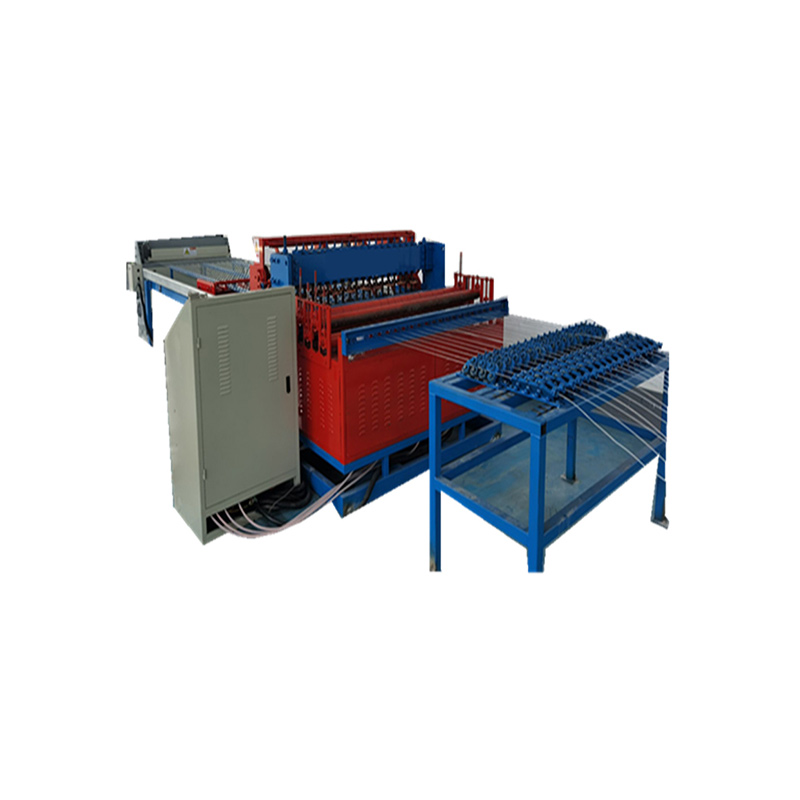
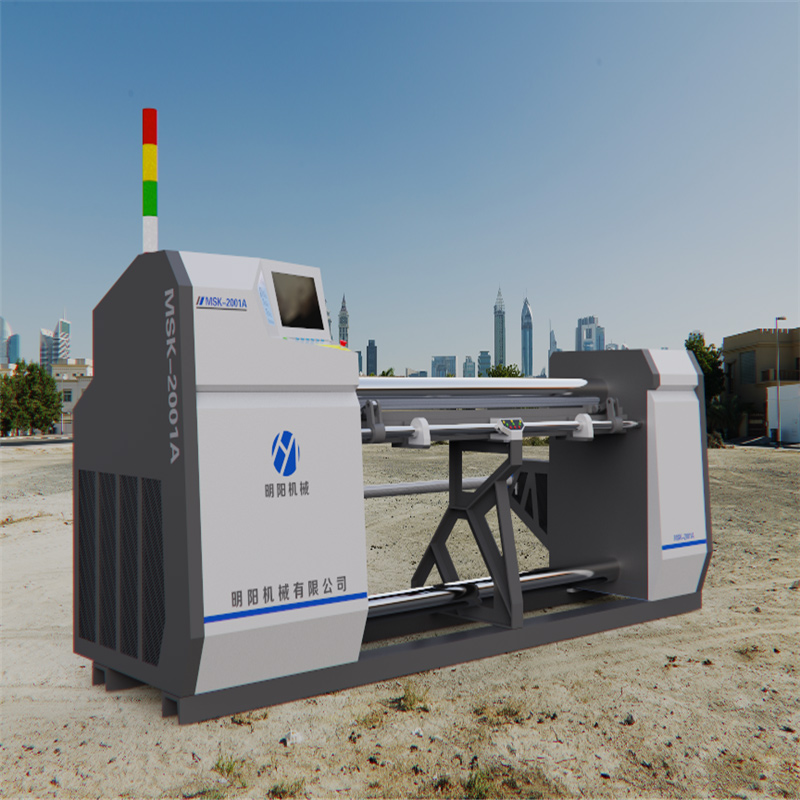
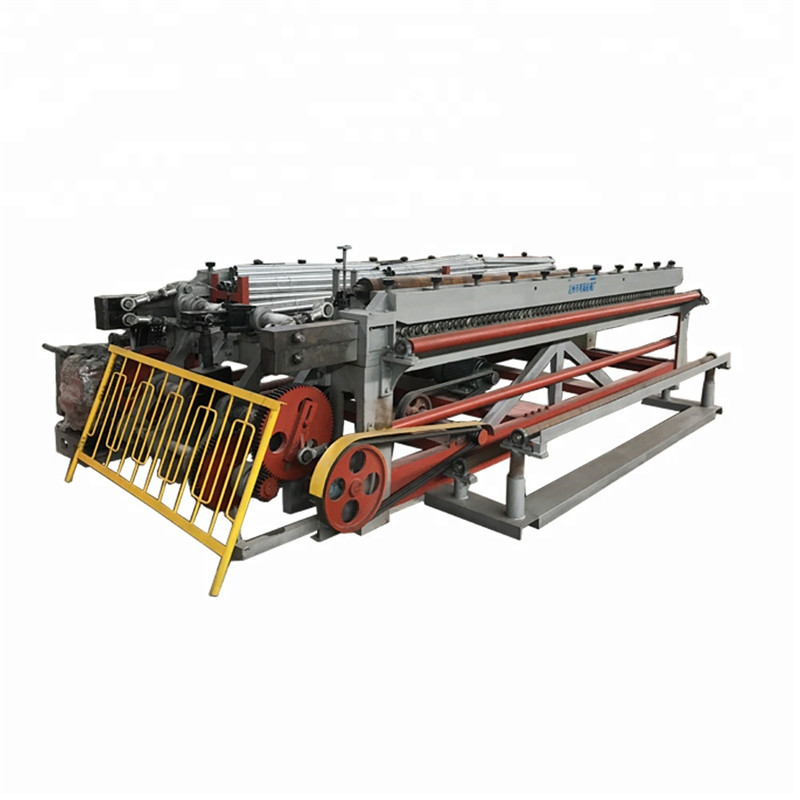
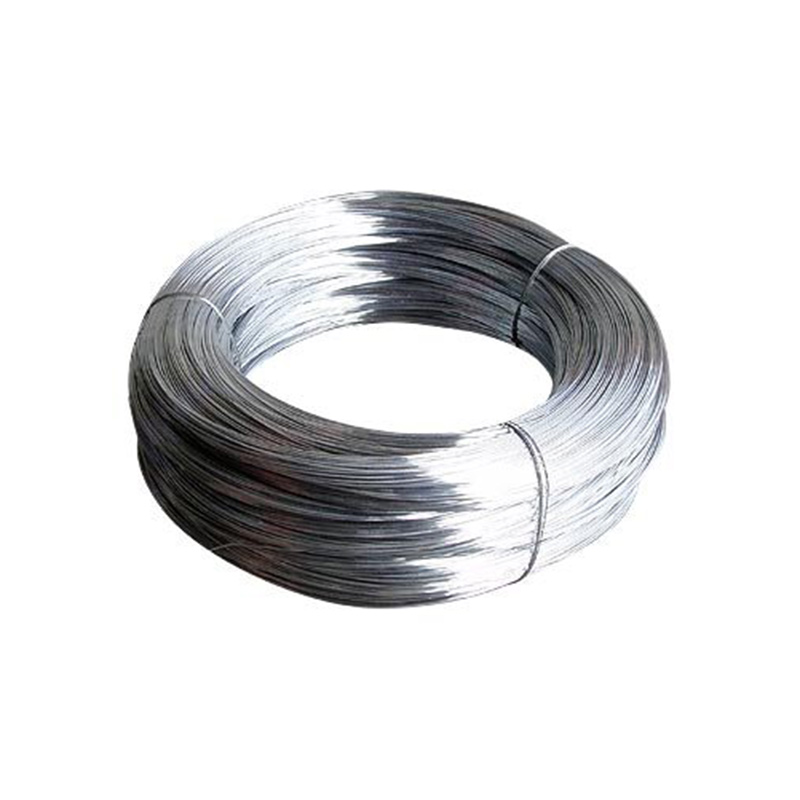
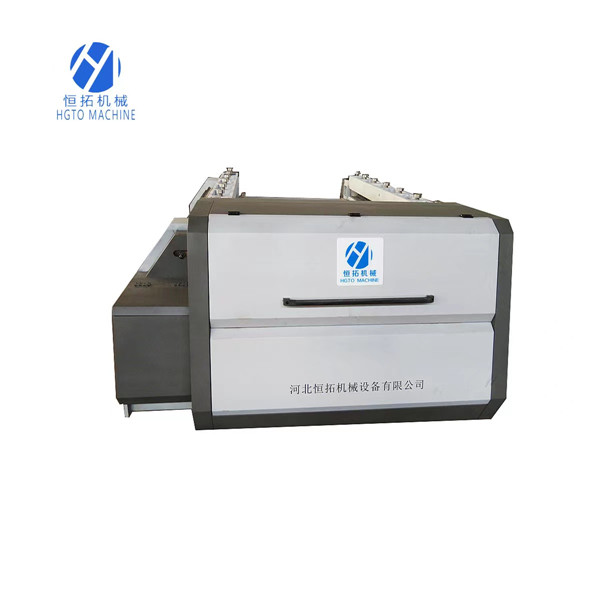
At its core, a straight line wire drawing machine manufacturer designs, builds, and often services the equipment used to reduce wire diameter by pulling metal through a die without twisting. Imagine stretching a piece of metal like taffy—but much thinner, with uniform thickness and high tensile strength. These machines are more than just metal-pulling gadgets; they’re precision-engineered tools that affect every subsequent stage of wire processing.
Why does this matter beyond factories? Well, in humanitarian contexts—like infrastructure rebuilding post-disaster—the availability of robust, quick-to-deploy wire drawing machines can ensure local production rather than importing costly materials.
Mini takeaway: Straight line wire drawing machine manufacturers form a critical link between raw metal and the everyday wires we often take for granted.
Core Components That Define Quality and Performance
1. Durability and Build Quality
Good manufacturers rely on high-grade steel frames, corrosion-resistant components, and robust engineering. After all, these machines often run 24/7 in demanding industrial environments.
2. Scalability and Customization
From single-spindle machines to multi-wire drawing units, the capacity to scale up—and tailor specifications for wire diameter and tensile strength—is key for diverse clients.
3. Energy Efficiency
Advanced motor technology and friction-minimizing features reduce power consumption—both a cost saver and a green move. Some vendors now incorporate regenerative braking to reclaim energy.
4. Automation and Control Systems
Modern devices feature programmable logic controllers (PLCs) for precise speed control and monitoring, increasing yield and reducing human error.
5. Maintenance and Service Support
Quick access to spare parts and reliable after-sales support can make or break manufacturer reputations.
Mini takeaway: The magic is in the details—from steel frames to software—and savvy buyers know to look beyond just the price tag.
Applications Around the World: Where These Machines Shine
Okay, so where exactly do these machines get deployed, and why does it matter? Developing economies in Asia and Africa rely on locally produced drawn wire for construction, especially in earthquake or flood zones where structural reinforcement becomes critical. In Europe and North America, manufacturers supply wire for the automotive sector, aerospace, and electronics.
A neat example: In remote parts of South America, local cooperatives use straightforward wire drawing machines to produce fencing wires, supporting sustainable farming and protecting biodiversity. Meanwhile, NGOs working post-natural disasters utilize machines to expedite repairs of electrical grids — essentially fueling recovery efforts faster.
Advantages and Long-Term Value of a Trusted Machine Manufacturer
- Cost Efficiency: Durable, energy-efficient machines reduce operational costs tremendously.
- Sustainability: Reduced waste and power usage align with global green goals.
- Reliability: Minimizing downtime keeps production steady, supporting client deadlines.
- Social Impact: Enabling local manufacturing fosters economic growth and autonomy.
- Innovation: Cutting-edge tech integrations continuously push performance boundaries.
Many engineers I spoke with noted that machine reliability often translates to improved safety and worker morale. When equipment jams or fails, frustration grows quickly. But a well-made straight line wire drawing machine? That feels like a partner on the shop floor – consistently delivering.
Product Specification Table
| Feature |
Description |
Typical Range |
| Wire Diameter |
Minimum & Maximum wire sizes the machine can handle |
0.1 mm – 12 mm |
| Drawing Speed |
Wire drawing rate under optimal conditions |
10 – 50 m/min |
| Power Consumption |
Energy required for typical operation |
5 – 15 kW |
| Automation Level |
Manual to Fully Automated |
Semi-automatic to PLC control |
| Weight |
Approximate machine weight |
1200 – 2500 kg |
Comparing Leading Straight Line Wire Drawing Machine Manufacturers
| Feature |
Manufacturer A |
Manufacturer B |
Manufacturer C |
| Customization Options |
High |
Medium |
Low |
| Lead Time |
6-8 weeks |
8-10 weeks |
10-12 weeks |
| After-Sales Service |
24/7 Support |
Business Hours |
Limited |
| Price Range |
$$$ |
$$ |
$ |
| Energy Efficiency |
Excellent |
Good |
Moderate |
Future Trends in Wire Drawing Technology
Innovation hasn’t stalled. In fact, automation and digitization are transforming traditional machines into smart devices that talk to operators and maintenance teams. For instance, IoT sensors can now detect wear on dies before they cause quality dips. Green energy is another trend: manufacturers strive to reduce the carbon footprint by using renewable energy for production and implementing energy recovery systems.
Also, expect more use of advanced materials in dies that extend machine life and boost efficiency. And oddly enough, the pandemic nudged some manufacturers to explore remote diagnostics—something that just a decade ago felt futuristic.
Challenges and Solutions
Despite advances, challenges remain: high initial investment costs can deter smaller shops; machine complexity sometimes results in steep learning curves for operators; and supply chain disruptions can delay critical parts. However, many companies now offer modular machines that can be upgraded over time, easing capital outlay. Others invest heavily in operator training programs or remote support services.
FAQ: Common Questions About Straight Line Wire Drawing Machine Manufacturers
Q: How do I choose the right wire drawing machine manufacturer?
A: Look beyond price. Prioritize reliability, customization options, energy efficiency, and after-sales support. Visiting client sites or asking for references can also provide insights.
Q: What is the typical lifespan of a straight line wire drawing machine?
A: With proper maintenance, these machines can last 15-20 years. Regular checks on dies and lubrication are key to maximizing their lifespan.
Q: Can these machines handle different metals?
A: Yes, most manufacturers design machines to draw various metals like copper, aluminum, and stainless steel. However, some alloys may require specialized dies or process adjustments.
Q: How energy intensive are these machines?
A: Power consumption varies but usually ranges from 5 to 15 kW depending on size and automation level. Newer models focus heavily on efficiency to reduce operational costs.
Q: Are there eco-friendly machine options available?
A: Yes. Some manufacturers incorporate energy-saving motors, automated controls to minimize waste, and recyclable materials in construction to support sustainability.
Wrapping Up: Why It Pays to Know Your Straight Line Wire Drawing Machine Manufacturer
When we think about the wires around us—in buildings, cars, electronics—we seldom consider the machines and craftsmen behind their creation. But the nuances of choosing the right straight line wire drawing machine manufacturer ripple outward, touching costs, environmental impact, and product performance. I suppose that’s why savvy businesses and engineers invest time getting to know their suppliers and their technologies.
If you’re looking for solutions that balance quality, efficiency, and innovation, you might want to visit https://www.htmeshmachines.com—they're known for delivering machines that blend good old reliability with forward-thinking features.
Now, I could ramble on about all the fascinating tidbits—like the smell of new die grease or how a well-tuned machine hums differently—but maybe next time.
References
- ISO Metal Fabrication Industry Overview
- Wikipedia: Wire Drawing
- World Bank: Competitiveness and Manufacturing