Understanding the Wire Mesh Weaving Machine: A Global Perspective
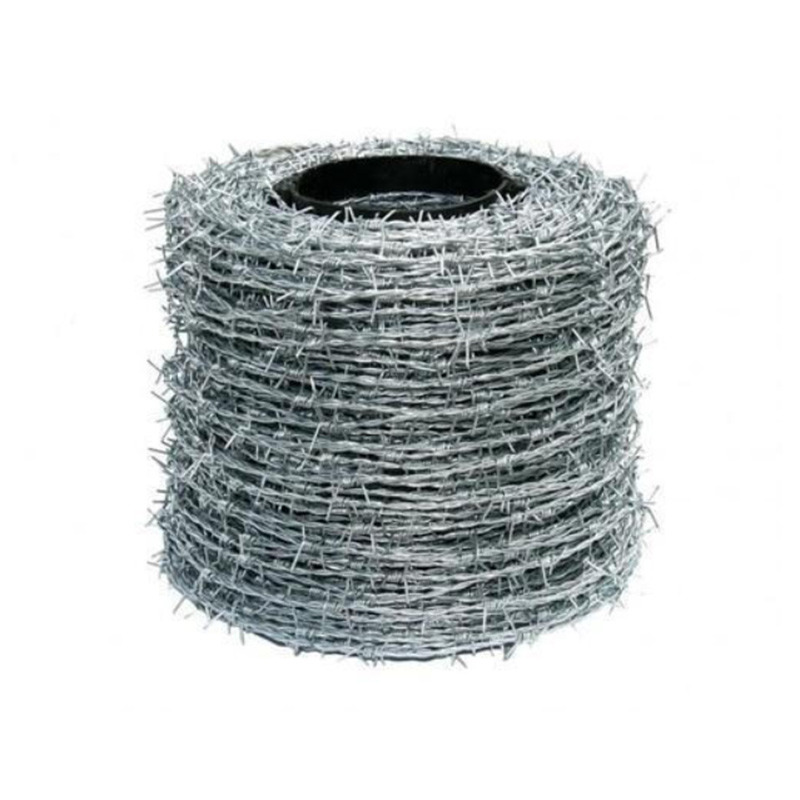
Wire mesh weaving machines might not be the headline gadget that everyone geeks out over, but honestly, their impact quietly underpins numerous industries worldwide. From construction to agriculture, security to infrastructure, these machines shape how we reinforce our environments. Most of us rarely think about what goes into those grids of intersecting wires that hold up bridges or keep crops safe, but the wire mesh weaving machine is the backbone of creating these essential materials.
Why does this matter globally? Well, mesh products manufactured by weaving machines address fundamental challenges like structural integrity, safety, and even border control. According to ISO standards on construction materials, precisely woven mesh enhances durability and load-distribution, a detail that ensures buildings stand tall longer and fences hold firm against wear.
Mini takeaway: The wire mesh weaving machine quietly supports global infrastructure and safety challenges, making its role more significant than it first appears.
A Snapshot of Wire Mesh Weaving Machines in Today's Industry
The demand for wire mesh products is soaring—in fact, the global wire and mesh market size is projected to reach several billion dollars by 2027, according to market research databases like Statista. This rise is fueled by fast urbanization and industrial growth, especially across Asia-Pacific and emerging economies.
But there’s a challenge: traditional production methods can be slow and inconsistent, especially when more customization or higher strength specifications are required. That’s the niche where modern wire mesh weaving machines step up—automating processes, boosting precision, and scaling output. It's not just about mass production; it's about making quality mesh accessible wherever it's needed, from sprawling industrial zones to remote disaster-hit areas.
Mini takeaway: The wire mesh weaving machine answers the complex, growing industry demands by blending automation with precision.
Defining the Wire Mesh Weaving Machine
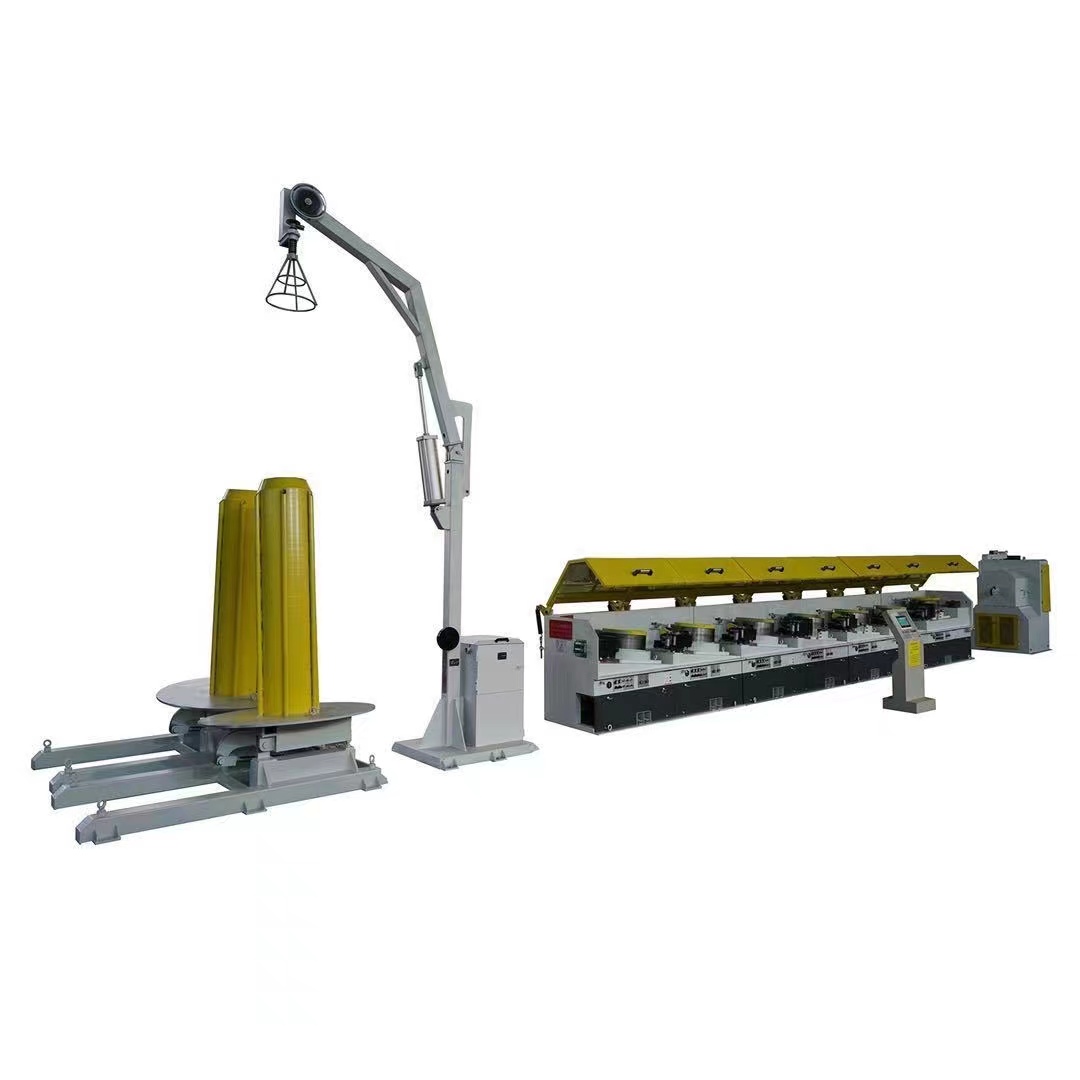
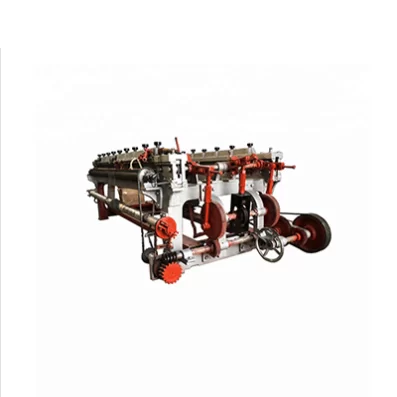
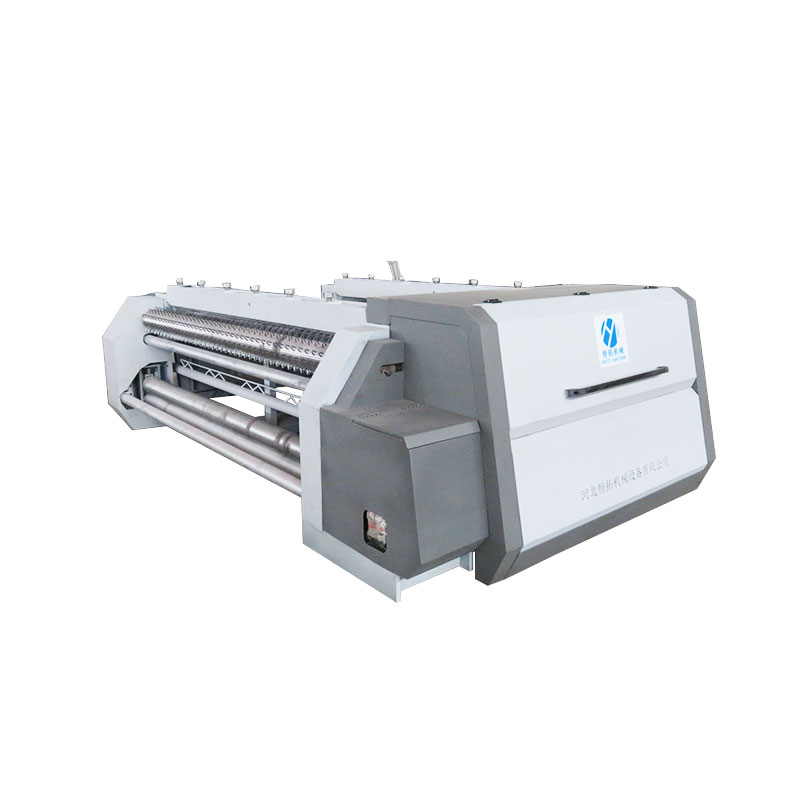
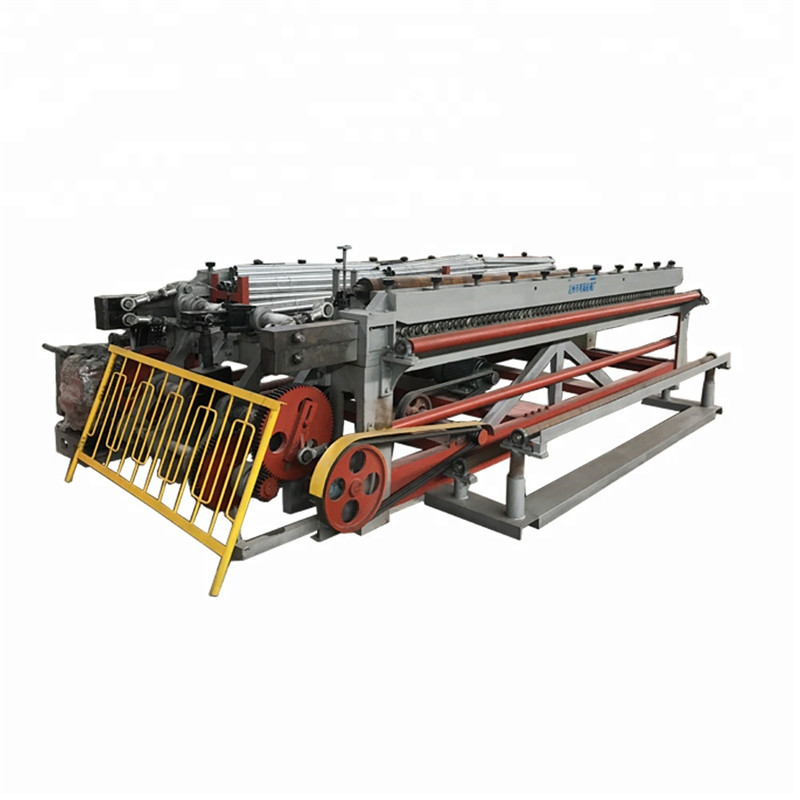
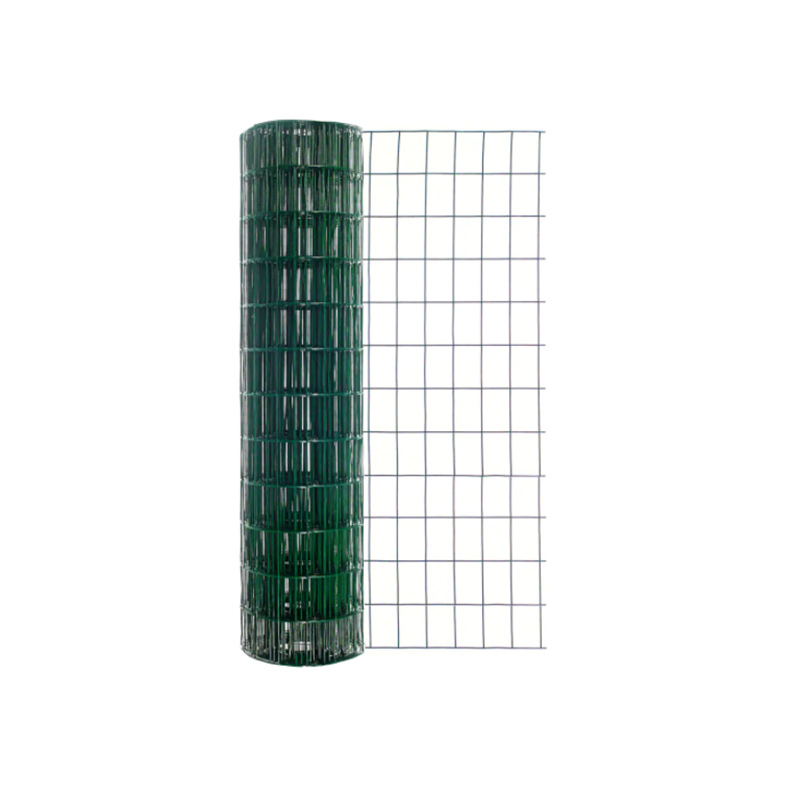
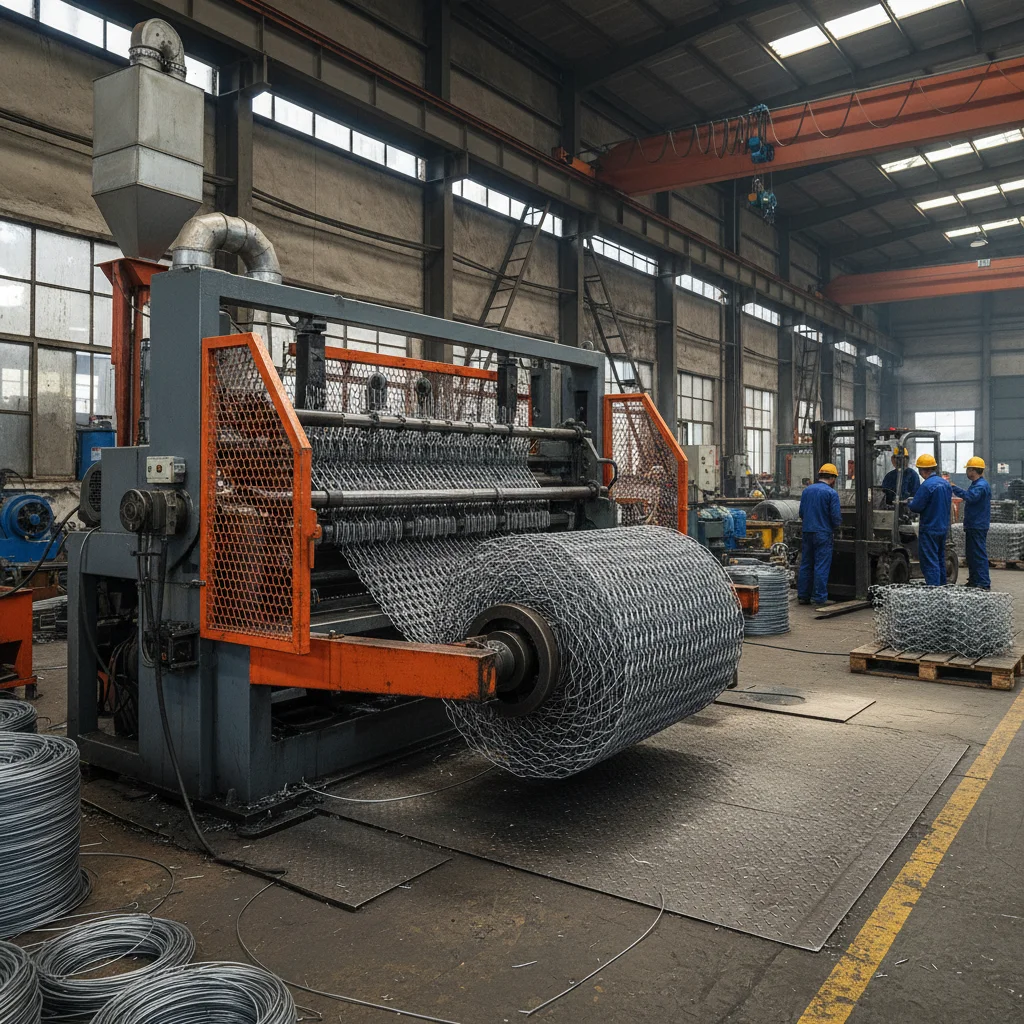
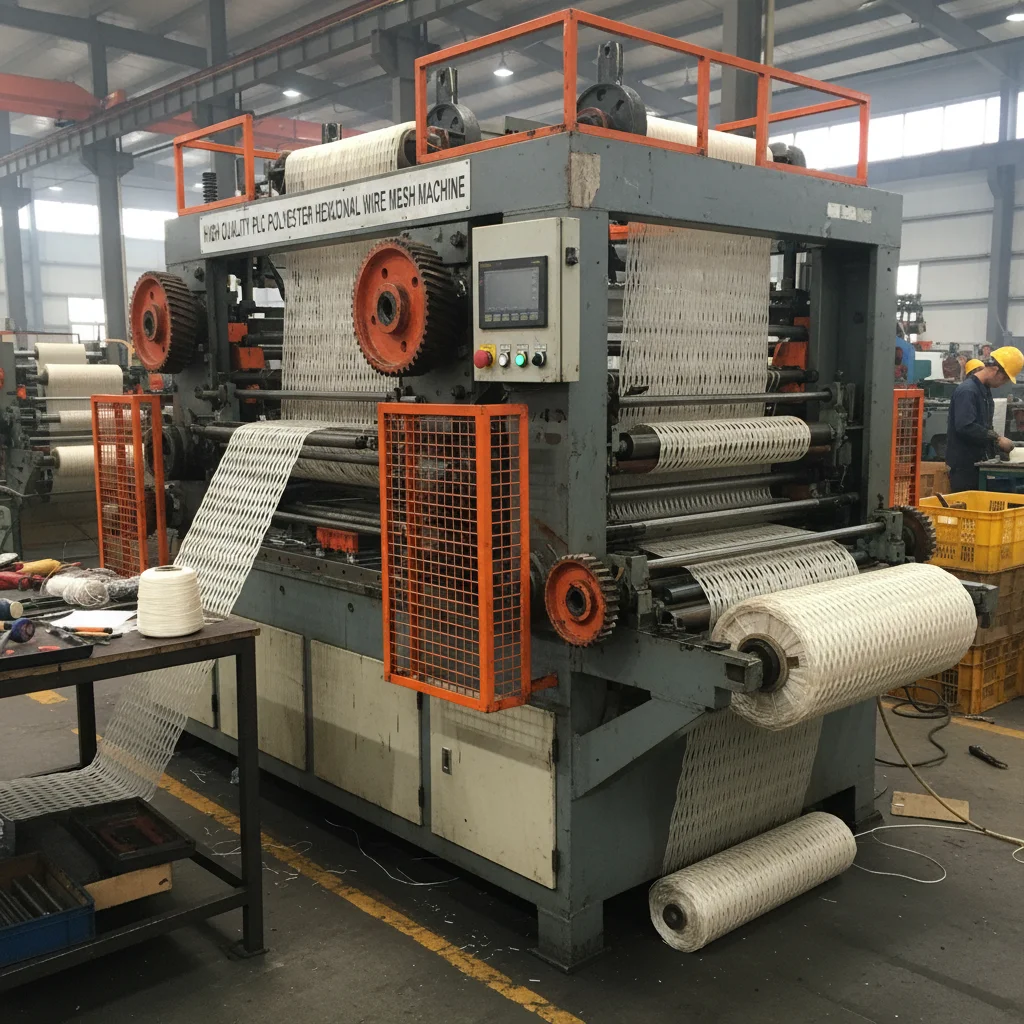
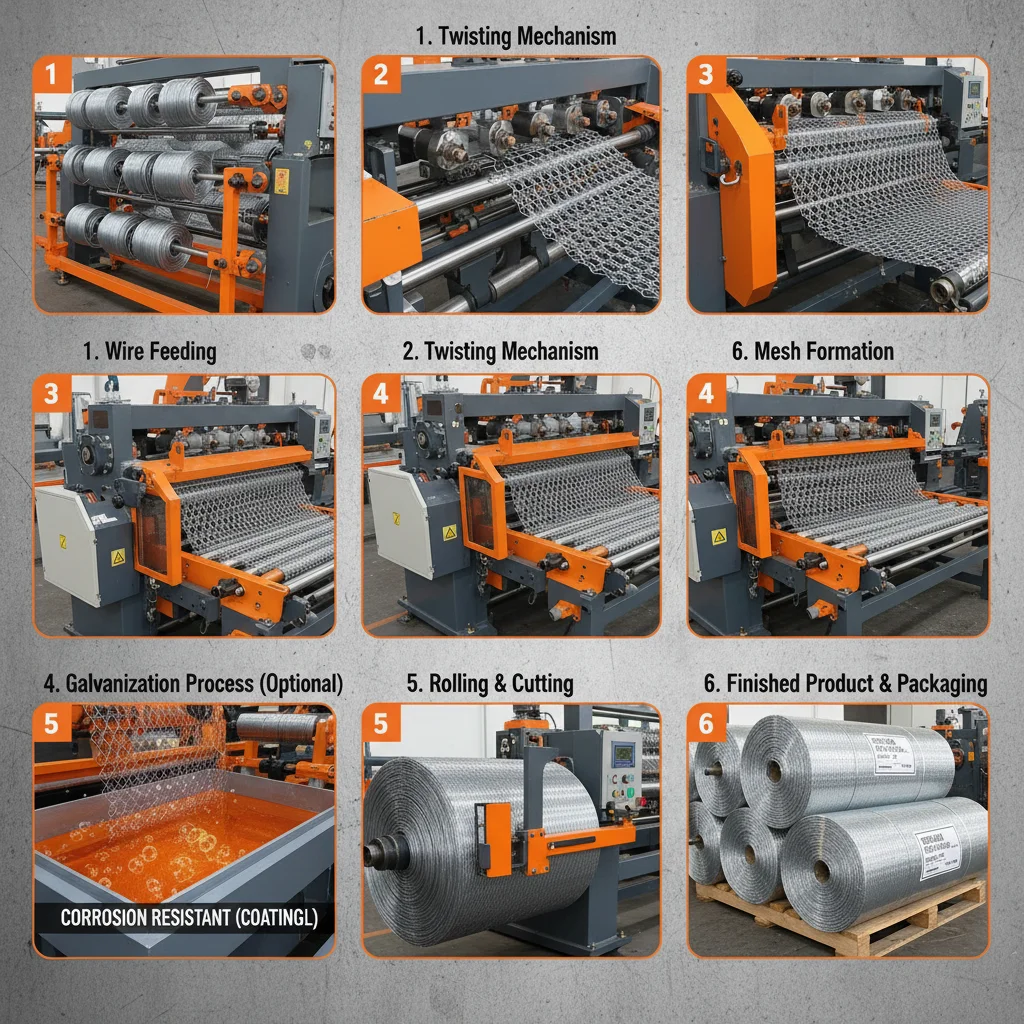
Simply put, a wire mesh weaving machine is specialized equipment designed to interlace wires in specific patterns (generally square, rectangular, or diamond) to form a mesh net. Imagine the loom from centuries ago, but engineered to handle metal wires with enormous strength and finesse. These machines vary from manual to fully automated models, each tailored to produce specific mesh sizes, wire diameters, and patterns.
This technology connects seemingly abstract industrial needs with real-world applications—think reinforcement bars in concrete or fine-mesh filters in water treatment. In humanitarian contexts, a woven mesh may serve as temporary fencing or structural reinforcement in rapid shelter construction. The versatility comes down to the weaving machine’s ability to adapt wire shapes, tension, and density.
Mini takeaway: The wire mesh weaving machine is essentially the loom of the wire world, bridging raw materials and practical, robust products.
Core Components That Matter Most
1. Durability & Material Handling
The machine's construction must withstand the hard hustle of metal wires—a wear-resistant frame and high-torque motors are common. Many engineers say durability directly impacts mesh quality and output consistency.
2. Scalability and Speed
Modern machines can switch between wire thicknesses and mesh patterns smoothly, which is crucial for industries requiring just-in-time inventories or small batches of highly specialized mesh.
3. Precision Control Systems
Automatic tension control and digital pattern programming have revolutionized wire mesh production. These allow for intricate designs and tighter tolerances, vital when mesh will be used in safety-critical structures.
4. Energy Efficiency
As sustainability trends hit the industrial sector, many manufacturers focus on reducing energy consumption without sacrificing output speed or quality.
5. Cost Efficiency & Maintenance
Low downtime due to ease of maintenance and availability of spare parts is a practical consideration often overlooked until an expensive outage halts production.
Mini takeaway: The best wire mesh weaving machines balance rugged durability, precision control, speed, and sustainability to serve diverse industrial needs.
Global Applications & Real-World Scenarios
Wire mesh manufacturing touches almost every corner of the globe. In emerging markets like India and Brazil, mesh products are vital to infrastructure growth—roads, bridges, and residential buildings all rely on strong mesh reinforcements. In post-disaster relief operations, agencies use quickly deployable fencing and shelter reinforcements made from wire mesh to restore order and safety.
Industries like mining and agriculture also heavily depend on woven wire mesh. Protective sieves, animal enclosures, and erosion control nets often come from advanced wire mesh weaving machines. Oddly enough, even in aerospace and precision filtration, these machines’ fine patterned meshes are irreplaceable.
| Specification |
Typical Values |
| Max Wire Diameter |
5 mm |
| Mesh Size Range |
10 x 10 mm to 100 x 100 mm |
| Operating Speed |
20-50 m/min |
| Power Consumption |
15 kW (average) |
| Automation Level |
Semi to Full Automatic |
| Dimensions (LxWxH) |
5 m x 1.2 m x 1.8 m |
Mini takeaway: Specifications vary, but machines generally standardize around mid-range wire diameters and mesh sizes, versatile enough for multiple sectors.
Choosing the Right Vendor: A Quick Comparison
| Vendor |
Price Range |
Automation Level |
Support & Service |
Customization Options |
| HT Mesh Machines |
$$$ |
Full Automation |
24/7 Global Support |
High – Tailored specs available |
| GridTech Co. |
$$ |
Semi-Automatic |
Business hours only |
Moderate |
| WireMasters Ltd. |
$$$$ |
Full Automation |
Premium On-site Service |
High |
Long-Term Benefits of Using Wire Mesh Weaving Machines
Now, the real value here isn’t just about making a nice lattice of steel. It’s about saving lives and resources. Think long-term social impact—engineers often cite enhanced safety in constructions that use woven mesh reinforcements, potentially preventing catastrophic failures.
The machines bring cost savings too, by improving production efficiency and reducing waste. And since mesh products last decades without major degradation, the environmental benefits of less frequent replacement become apparent. Plus, for companies committed to innovation, stepping up to digital controls and energy-saving motors marks trustworthiness in future-ready production.
On an emotional note, workers often talk about the pride of creating reliable, tangible outputs on machines they operate—it's real, grounded work that supports communities. So beyond numbers, there’s dignity in weaving strength into everything from homes to fences.
Mini takeaway: The emotional and practical returns of wire mesh weaving technology combine into a truly sustainable industrial asset.
Future Trends: Where Is Wire Mesh Weaving Headed?
Automation will keep evolving — smart sensors monitoring wire tension in real time, AI-driven maintenance scheduling, and fully adaptive mesh patterning are not far off. Environmentally, biodegradable coatings and recycled wire feedstock are under active development to lower environmental footprints.
Interestingly, several manufacturing hubs, especially in the European Union, are incorporating machine designs that align with circular economy principles, cutting waste cycles and reusing scrap wire efficiently. Also, the integration of IoT offers remote performance tracking — imagine a machine that tells its owner when a component needs replacing before it breaks.
Mini takeaway: The era of “smart weaving machines” is near, combining sustainability and digital mastery to meet 21st-century challenges.
Overcoming Challenges in Wire Mesh Manufacturing
Of course, no tech is without its quirks. Equipment failures, supply chain disruptions for specialty wires, and balancing cost with customization remain ongoing issues. Operators sometimes face a steep learning curve with advanced automated systems.
But solutions emerge: modular machine designs simplify repairs, and cross-training operators ensure smoother transitions between models. Also, partnerships between manufacturers and wire suppliers are becoming standard to secure materials and innovate wire alloys for better results.
FAQ – Your Questions About Wire Mesh Weaving Machines, Answered
- Q1: How does a wire mesh weaving machine differ from welding machines for mesh production?
- A: Wire mesh weaving machines physically interlace wires creating flexible, yet strong mesh with various patterns. Welding machines fuse wires at intersections, producing rigid mesh. Weaving is preferred when flexibility and fine pattern control are priorities.
- Q2: Can wire mesh weaving machines handle stainless steel wires?
- A: Absolutely. Most industrial-grade weaving machines accommodate stainless steel and other alloys, though wire hardness and diameter range affect machine choice and settings.
- Q3: What is the maintenance frequency for these machines in continuous operations?
- A: Maintenance schedules vary, but many companies perform preventive checks weekly, with deeper servicing quarterly. Digital monitoring systems increasingly catch issues early.
- Q4: Are these machines suitable for small businesses or only large factories?
- A: There are models tailored for both ends of the spectrum. Small businesses might choose semi-automatic machines for lower volumes, while large factories often invest in full automation.
Conclusion
To wrap up, the wire mesh weaving machine is more than just a tool – it’s a quiet hero of modern infrastructure, balancing innovation, sustainability, and utility. If you’re curious about upgrading your mesh production or exploring tailored mesh technologies, visiting HT Mesh Machines is a smart starting point to dive deeper. The future is woven tightly with these machines—quite literally.
Thanks for sticking with me through this weave of information. Sometimes the most unnoticed technology is the glue holding big things together.
References
- Wikipedia on Wire Mesh
- ISO Standards
- World Bank Urban Development Data