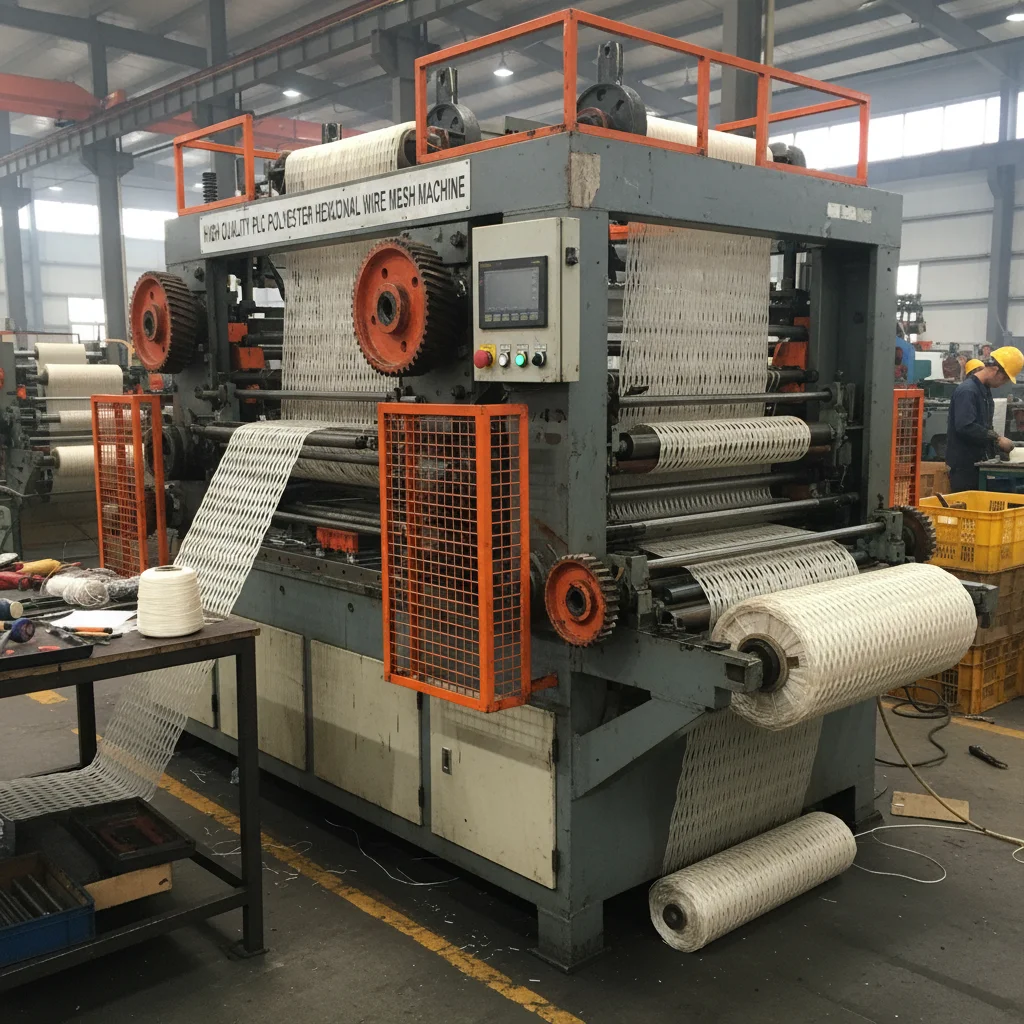
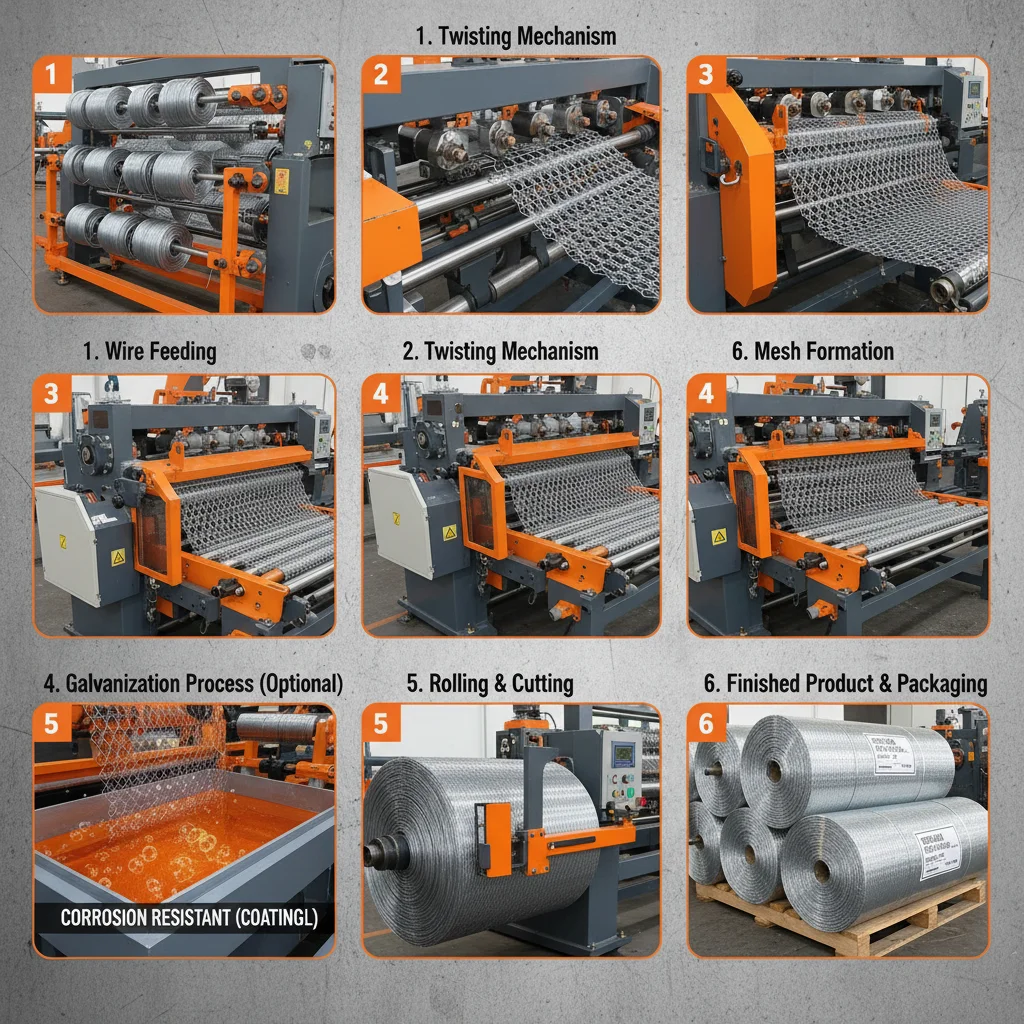
What is a Weaving Machine Called? Understanding the Heart of Textile Manufacturing
If you've ever wondered what is a weaving machine called, you're touching on a cornerstone of modern industry and craftsmanship. These machines, often just called looms, weave threads into fabric — a process that's both ancient and evolving. Globally, the demand for textiles remains staggering: according to the United Nations Industrial Development Organization (UNIDO), the textile industry employs over 60 million people worldwide and underpins economies from Asia to Africa and beyond.
Why does this matter to you or industries everywhere? Because the efficiency and type of weaving machines directly impact everything from the clothes we wear, to medical textiles, to high-tech composites in automotive and aerospace sectors. Understanding weaving machines means appreciating a tool that transforms raw yarn into versatile, life-enhancing materials.
The Global Pulse: Why Weaving Machines Still Matter in Our High-Tech Era
Oddly enough, in a world buzzing with digital everything, weaving machines stay powerfully relevant. The global textile machinery market was valued at around $21 billion in 2023 and is expected to grow steadily, driven by urbanization and rising textile exports (source: MarketWatch). The challenge? Automation and sustainability pressures force manufacturers to modernize equipment, reducing energy use while boosting production speeds.
Even humanitarian efforts rely on textile production — think blankets and water-resistant fabrics in disaster zones — often woven using advanced machines. So, asking what is a weaving machine called isn't just a theory; it’s about engaging with real-world solutions for fabrics essential to human comfort and industrial innovation.
Defining the Loom: What Exactly is a Weaving Machine?
In the simplest terms, a weaving machine, or loom, is a device that interlaces two sets of yarns at right angles to create fabric. While the principle hasn't changed for thousands of years, machines have modernized from hand-operated wooden frames to high-speed computerized looms.
In the industrial and humanitarian contexts, these machines bridge traditional skills with modern demands — making fabrics for protective clothing, shelter materials, and even composites used in renewable energy tech. Without looms, many of these products wouldn't exist.
Core Components That Define a Weaving Machine’s Performance
1. Durability
A weaving machine must withstand continuous operation, often in dusty or humid conditions. Industrial-grade metal frames and precision-engineered parts ensure longevity. Many engineers say that durability is the backbone of cost efficiency — less downtime means better returns.
2. Scalability & Speed
Modern looms come in sizes from small bench-top models used by artisans to huge, multi-shaft industrial machines. Their weaving speed, measured in picks per minute (ppm), determines fabric output. A higher speed loom can produce thousands of meters of fabric daily, critical for meeting global demand.
3. Cost Efficiency
It's not just about buying an expensive loom but about operational costs: energy consumption, maintenance, and material waste. Advanced looms now incorporate energy-saving drives and automated quality controls to reduce overall expenses.
4. Versatility
Today's weaving machines can handle complex patterns and diverse yarns — from delicate silks to tough industrial fibers. Enhanced software integration allows quick switches between designs, which is priceless in fast-changing markets.
5. User-Friendly Operation
With many manufacturers moving toward digital interfaces, looms are easier to operate than ever. Smart controls assist operators with diagnostics, minimizing guesswork and errors.
Mini Takeaway:
Knowing the answer to what is a weaving machine called isn’t just a vocabulary lesson; it's key to understanding how countless fabrics come to life. From durability to intelligence, these machines treasure mix tradition and innovation in daily textile magic.
Global Applications: Where Do Weaving Machines Make an Impact?
In Asia, particularly in China and India, weaving machines power textile exports worth billions, from basic cotton to high-tech technical fabrics. Africa’s growing textile hubs increasingly invest in mid-range looms to support local economies and reduce imports.
- Post-disaster relief: Rapidly produced woven materials provide shelter tarps and durable blankets.
- Automotive industries: Special woven composites enhance vehicle safety and fuel efficiency.
- Healthcare: Medical textiles, like bandages and gowns, depend on precise weaving machinery.
- Fashion brands: Invest in complex programmable looms to create intricate patterns that reflect current trends.
In remote industrial zones, smaller portable looms enable flexible production runs, minimizing logistical challenges. It feels like weaving machines are quietly moving the world fabric industry forward, wire by wire.
A Detailed Look: Specification Table of a Popular Industrial Weaving Machine
| Specification |
Model XYZ-9000 |
| Type |
Air Jet Loom |
| Weaving Speed |
Up to 2000 ppm (picks per minute) |
| Max Fabric Width |
320 cm |
| Energy Consumption |
7 kW/h |
| Control System |
Touchscreen PLC with remote diagnostics |
| Material Compatibility |
Cotton, Polyester, Nylon, Technical Fibers |
Comparing Leading Vendors of Weaving Machines
| Vendor |
Product Range |
Innovations |
Global Reach |
Price Range |
| WeaveMaster Inc. |
Air Jet & Rapier Looms |
AI-assisted fault detection |
Asia, Europe, Americas |
$$$ |
| TexLoft Machinery |
Projectile & Shuttle Looms |
Energy-efficient drives |
Europe, Africa |
$$ |
| EcoWeave Systems |
Small to Mid-size Handloom |
Solar-powered options |
Developing countries |
$ |
Advantages & Long-Term Value of Modern Weaving Machines
Weaving machines today deliver more than fabric; they offer industry resilience. Their high speeds improve output, lowering costs. Sustainable machines reduce environmental footprints, an urgent priority given textile production’s water and energy usage (ISO 14001 standards). Socially, reliable machinery means steady work for communities, preserving livelihoods and dignity.
Emotionally, think about a textile worker watching a tough fabric emerge, knowing it will become protective gear that saves lives or a fancy dress for a special occasion. The blend of pride and innovation that weaving machines foster is hard to overstate.
Future Trends & Innovative Weaving Technologies
Looking ahead, the weaving industry is embracing digital transformation: automated looms with AI that predict maintenance needs, integrate with supply chain software, and reduce defects. Green energy powers are increasingly standard — including solar-run machines for rural factories.
Materials science is also shaking things up. Hybrid fibers and 3D woven fabrics are becoming commonplace, expanding function and fashion possibilities. It’s a space where old meets new quite literally thread by thread.
Challenges and Smart Solutions in Weaving Machine Use
Despite advancements, many face hurdles: high initial costs, skilled labor shortages, and energy demands. Some regions lack access to spare parts or training. However, partnerships between manufacturers and NGOs are driving training centers, leasing programs, and modular machine designs that are easier to ship and install.
Remote diagnostics and software updates delivered online minimize downtime, proving that even legacy industries can adapt with savvy innovation.
FAQ: Common Questions About Weaving Machines
- What is the difference between a rapier and an air jet weaving machine?
- Rapier looms mechanically carry the weft yarn through the warp shed, suitable for diverse fibers and heavier fabrics. Air jet looms use compressed air to shoot the weft yarn, making them faster but typically limited to lightweight, smooth yarns. Each has advantages depending on fabric type and production speed.
- How long does a modern weaving machine typically last?
- With good maintenance, industrial weaving machines can last 15–20 years or more. Components like engines and electronics may require updates or replacements mid-life, but the frame often endures. Investing in quality upfront usually pays off in longevity.
- Are portable weaving machines effective for remote textile production?
- Absolutely. Portable or modular looms are invaluable in remote or developing regions where infrastructure is limited. They allow small-scale, flexible fabric production, supporting local economies and reducing reliance on imports. While not as fast as industrial models, their impact is significant.
- Can weaving machines handle recycled or eco-friendly fibers?
- Many modern looms are designed to work with a wide variety of fibers, including recycled polyester and organic cotton. Adapting machines for eco-friendly textiles is part of the industry's sustainable future, aligning with global ISO environmental standards.
Wrapping It Up: Why Understanding What a Weaving Machine Is Called Matters
So, what is a weaving machine called? Most simply, it’s a loom — but far from simple in capability and importance. These machines weave not just threads, but connect economies, cultures, and innovations worldwide.
Investing time in understanding weaving machines gives insight into a vital industry evolving with sustainable technologies and social responsibility at its core.
If you want to dive deeper or explore the latest in weaving machinery technology, visit our website: https://www.htmeshmachines.com.
References / Further Reading
- Wikipedia: Loom
- United Nations Industrial Development Organization
- ISO 14001 Environmental Management