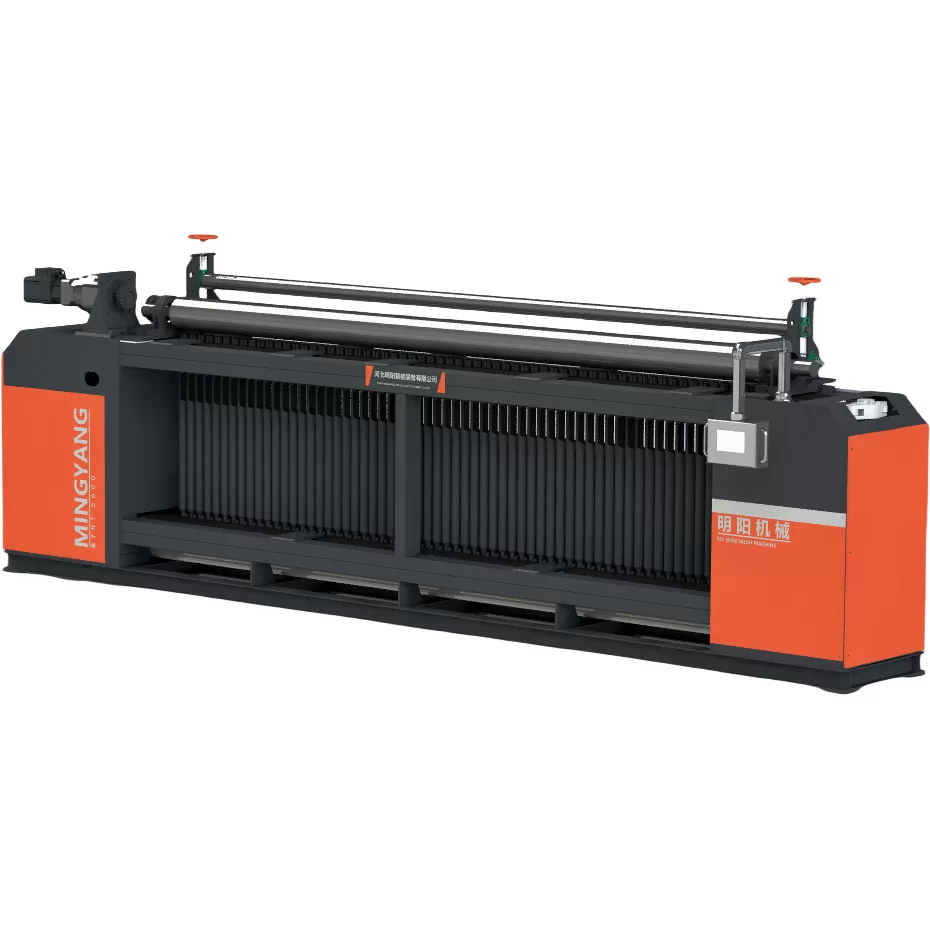
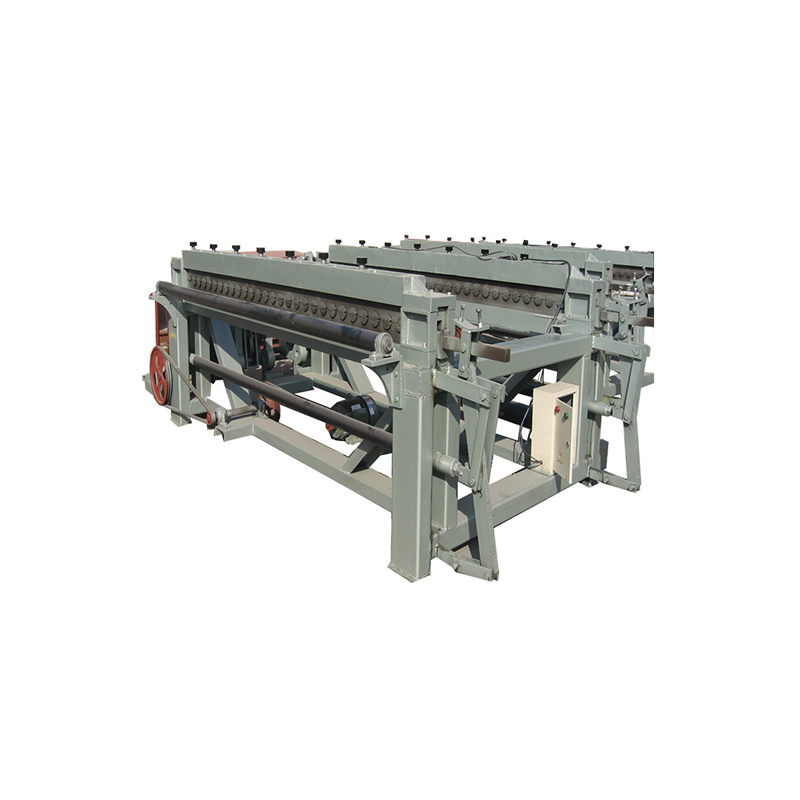
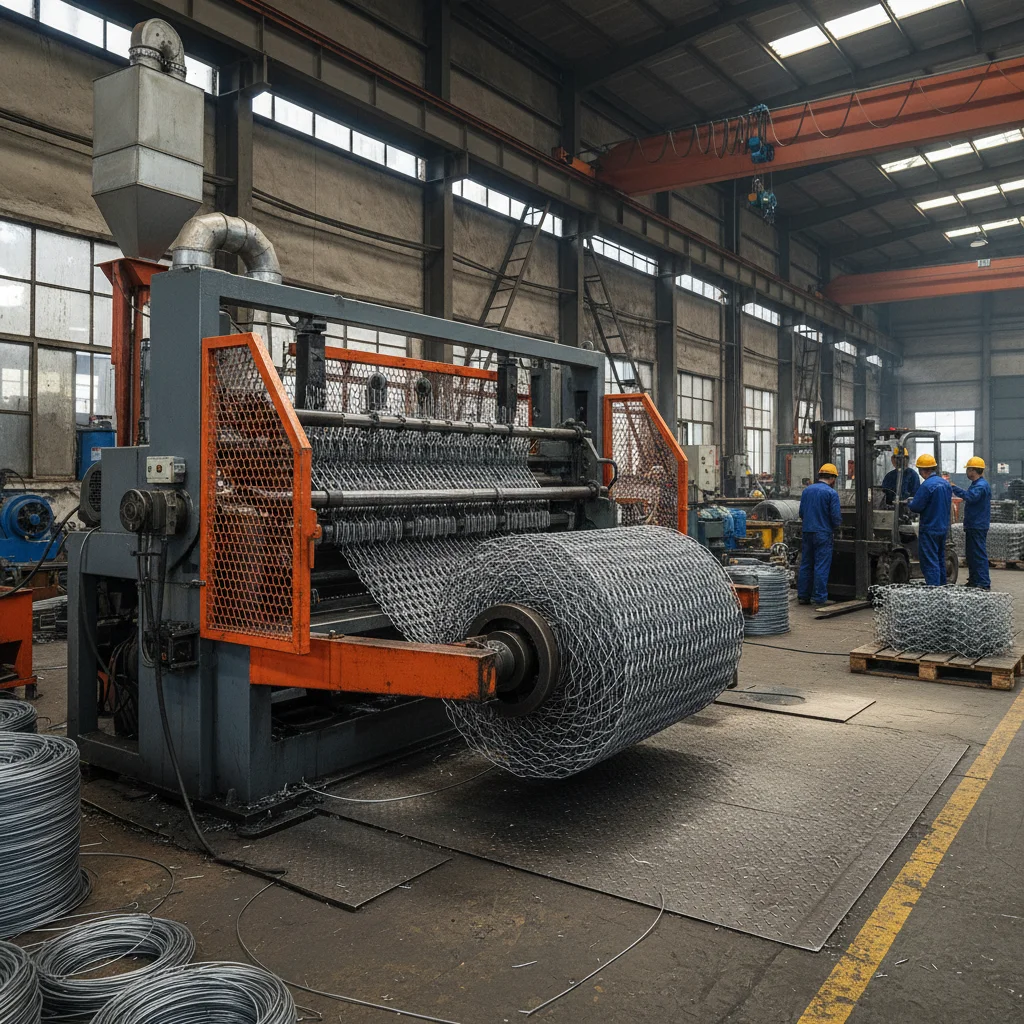
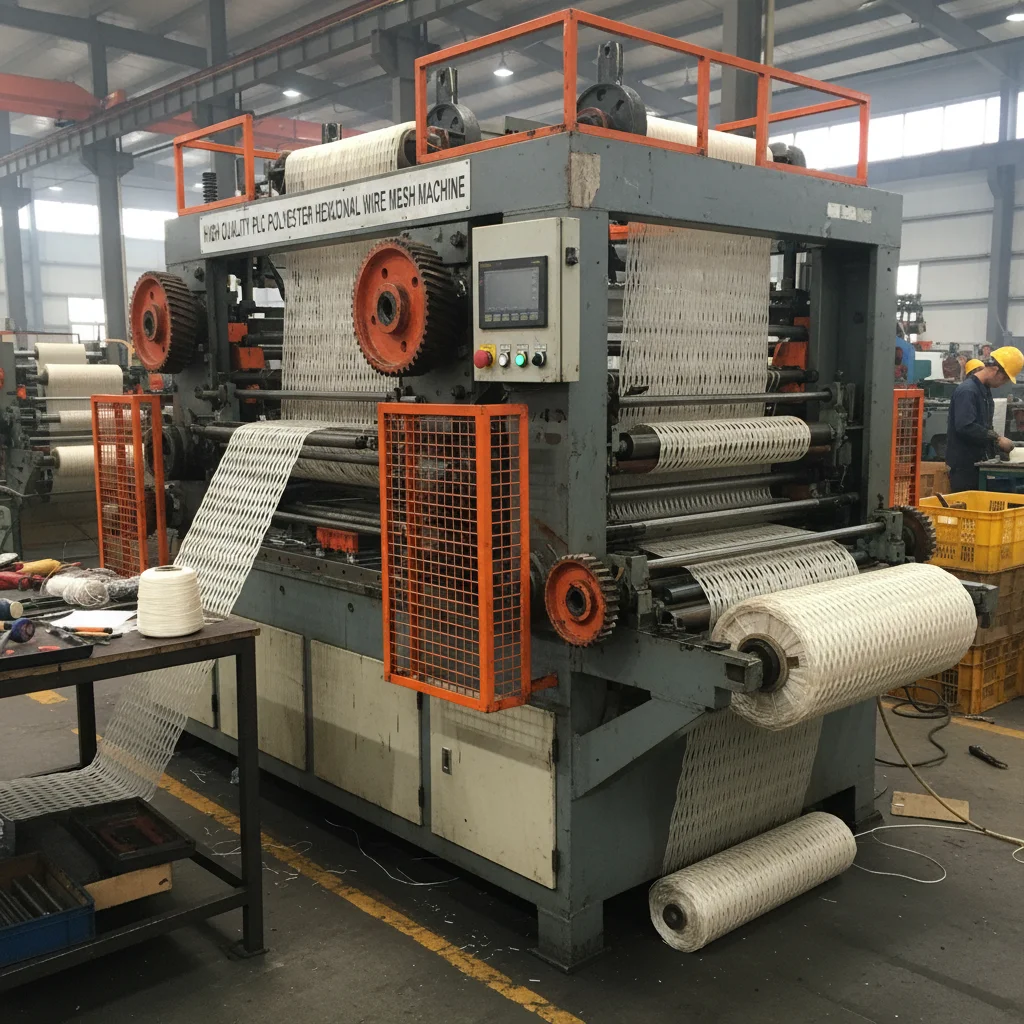
Understanding Wire Drawing Machine Production Calculation: Why It Matters Globally
Wire drawing machines might not be household terms, but they’re the unsung heroes of the metals industry—from making electrical wiring to manufacturing fine mesh for industrial and humanitarian use.
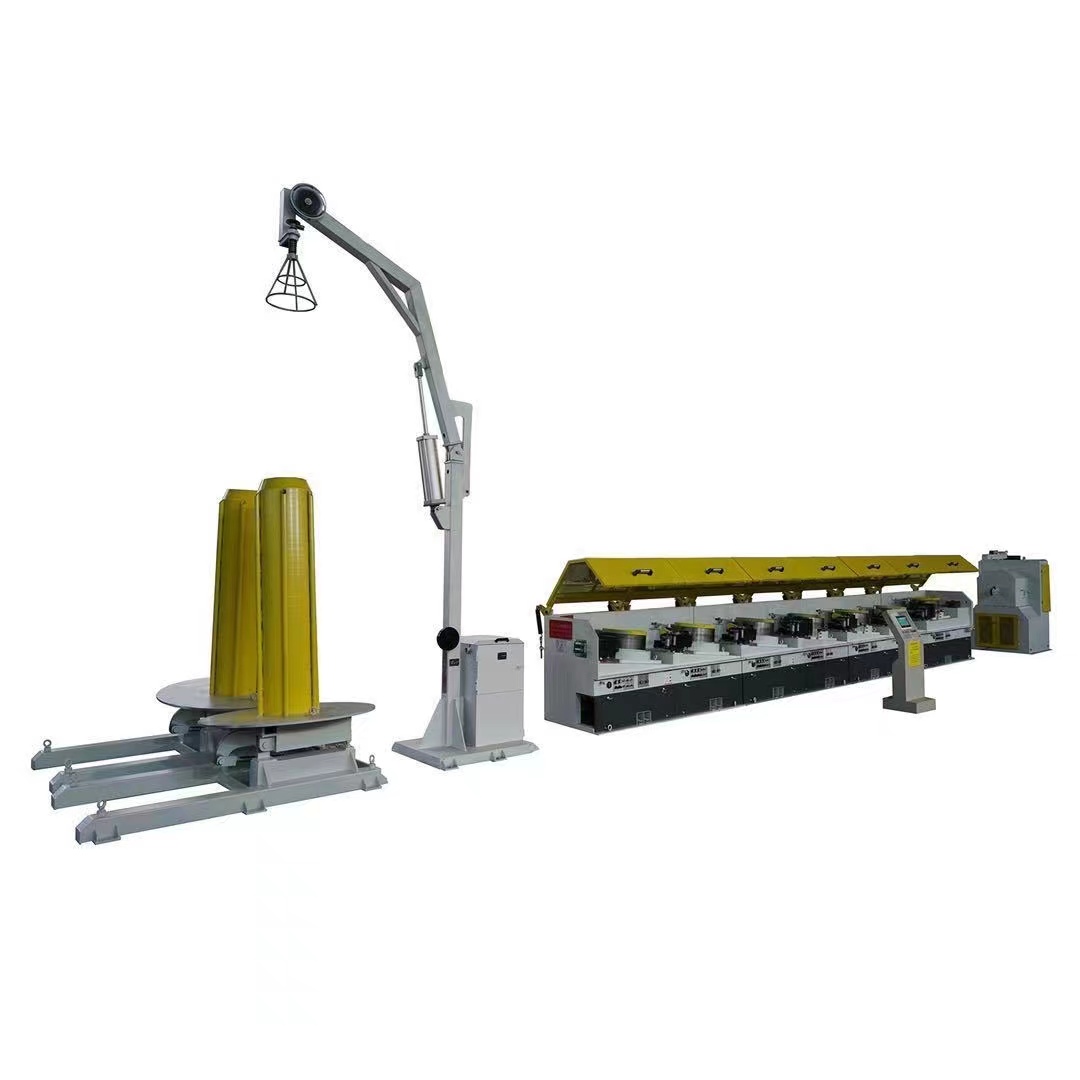
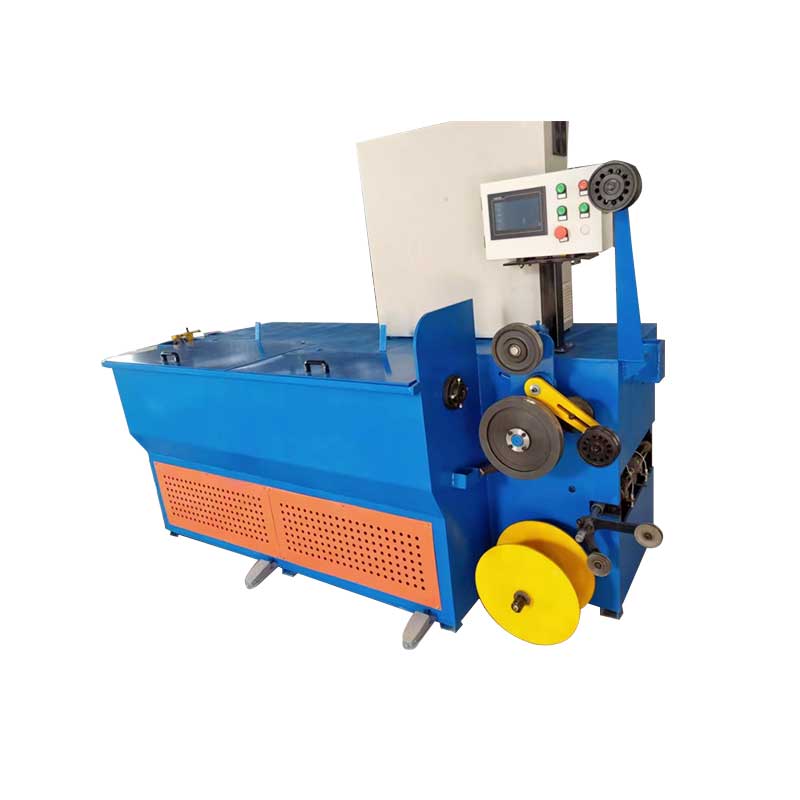
At its core, wire drawing machine production calculation is about figuring out how efficiently these machines turn raw metal rods into thinner, stronger wires by pulling and shaping them under precise conditions.
Why care? Because these calculations influence energy use, cost, quality of products, and global supply chains. Think about the massive networks of cables behind your internet and power—accurate production calculation ensures reliability and sustainability.
The Global Context: Wire Drawing’s Critical Role in Industry and Infrastructure
According to the International Organization for Standardization (ISO), around 50 million tons of wire products are produced annually worldwide, tying directly into sectors like construction, transportation, electronics, and manufacturing.
The World Bank estimates steadily rising demand for metal wires, especially in developing economies upgrading power grids and communication networks.
But here’s the catch: inefficiencies in production calculations can lead to wasted metal, excess energy consumption, or poor-quality wire — problems echoed across supply chains from Asia’s industrial hubs to Europe’s automotive plants.
Mini takeaway: Wire drawing machine production calculation is central to cutting costs, improving quality, and reducing environmental impact in a globally interconnected metals industry.
What Exactly Is Wire Drawing Machine Production Calculation?
Breaking it down simply, "production calculation" in this context refers to the method of determining the throughput, energy requirements, and quality output when a wire drawing machine pulls metal through dies to reduce its diameter.
This process involves key parameters like the initial and final wire diameter, drawing speed, lubricant efficiency, and machine power. Getting the math right isn’t just an academic exercise — it directly impacts operational uptime, material wastage, and product specifications.
Interestingly, the precision in these calculations links back to the exacting needs of modern society: from the wires that enable disaster relief communications to mesh manufacturing critical for water purification systems in remote areas.
Core Components of Wire Drawing Machine Production Calculation
1. Dimensional Accuracy
The ultimate objective of production calculation is to predict and control final wire dimensions. This ensures that the output matches industry standards and client specifications, which is crucial for interoperability in complex assemblies.
2. Machine Capacity & Throughput
Throughput calculations, often expressed in kg/hour or meters per minute, provide insights into how much wire can realistically be produced given the machine’s capabilities — a vital figure when planning inventory or scaling up production.
3. Energy Consumption
Wire drawing can be energy-intensive. Knowing the power requirements based on load and speed helps factories optimize electricity usage and reduce costs, which, these days, also reflects a commitment to greener manufacturing.
4. Lubrication & Die Wear
Lubricants reduce friction between wire and dies. Production calculations factor in lubricant efficiency because excessive wear leads to premature downtime and fluctuating product quality.
5. Material Properties and Deformation Limits
Understanding metal’s tensile strength and ductility helps predict how it will behave under drawing stresses, preventing breakages and optimizing process parameters.
Mini takeaway: These factors form a balancing act, enabling manufacturers to maximize output while safeguarding quality and machine longevity.
Real-World Applications Around the Globe
Wire drawing production calculation isn’t just a factory-floor detail—it fuels global industries. In Southeast Asia, for example, manufacturers use precise calculations to supply wires for fast-growing infrastructure projects like high-speed rail networks.
Meanwhile, in Europe, precision-drawn wires feed the automotive sector, powering sensors and electrical components in modern vehicles.
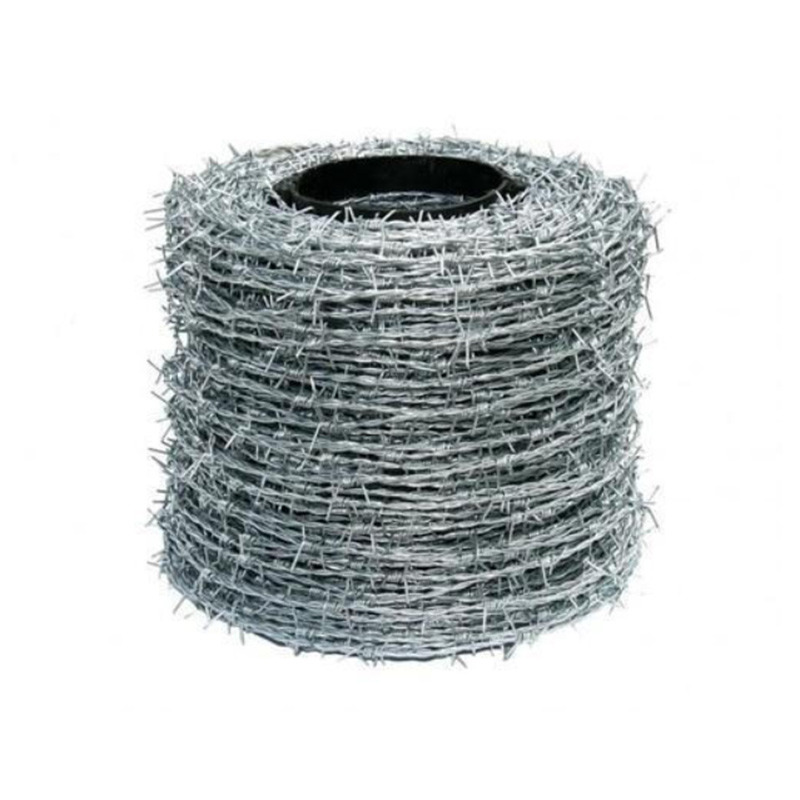
Oddly enough, even humanitarian agencies tap into these calculations. In post-disaster relief efforts — say after major floods or earthquakes — mesh screens produced with exacting wire dimensions ensure clean water distribution programs operate effectively.
And remote mining operations in Africa rely on optimally drawn wires to maintain communication lines in harsh environments where replacement parts are scarce.
Product Specification Table: Typical Wire Drawing Machine Metrics
| Specification |
Details |
| Max Drawing Speed |
Up to 150 m/min |
| Wire Diameter Range |
0.2 mm to 12 mm |
| Power Consumption |
18 - 50 kW (depends on load) |
| Machine Weight |
Approx. 2500 kg |
| Material Compatibility |
Copper, Aluminum, Steel, Alloys |
Comparing Leading Wire Drawing Machine Vendors
| Vendor |
Drawing Speed (m/min) |
Power Efficiency |
Customization Options |
Price Range (USD) |
| AlphaTech |
120 |
High (IE3 motors) |
Extensive (custom dies, automation) |
75,000 - 110,000 |
| WireCraft |
140 |
Medium |
Moderate (standard dies, manual) |
60,000 - 85,000 |
| MegaDraw |
150 |
High (regenerative drives) |
High (automation, smart monitoring) |
90,000 - 130,000 |
Advantages and Long-Term Value of Accurate Production Calculation
Getting your wire drawing machine production calculation right isn’t just about balance sheets (though cost savings are real). It’s about building trust with customers who rely on durable wires, safety in manufacturing plant environments, and even reducing waste that would otherwise increase carbon footprints.
From a social perspective, consistent product quality elevates entire industries—improving everything from medical device manufacturing to energy distribution networks that many communities depend on daily.
Looking Ahead: Trends and Innovations in Wire Drawing
The future feels pretty electrifying, no pun intended. With Industry 4.0, many factories are integrating IoT sensors for real-time monitoring — fine-tuning those production calculations instantly.
Plus, greener lubricants and improved die materials made from ceramics or composites promise longer life spans and less waste.
Automation is another front. Robots assist with coil handling and tool changeovers, reducing human error and boosting uptime. It’s a lively dance of digital transformation that ties right back to improving wire drawing machine production calculation.
The Challenges Still in Play
But it’s not all smooth sailing. Variability in raw material quality can make precise calculations tricky, and older machines may lack the sensors needed for modern digital monitoring.
Plus, smaller manufacturers often face budget constraints that prevent them from adopting the latest tech.
Solutions? Modular sensor kits and AI-powered predictive maintenance are increasingly affordable and user-friendly, offering a practical path forward while boosting accuracy and reducing downtime.
FAQs About Wire Drawing Machine Production Calculation
- Q: How does wire diameter affect production calculation?
A: Thinner wires require higher drawing force and can decrease machine throughput. Accurate calculation accounts for these diameter changes to optimize speed and avoid wire breakage.
- Q: Can lubricant choice impact energy consumption?
A: Absolutely. Better lubricants reduce friction, lowering power needs and extending die life — key considerations factored into production calculations.
- Q: Is digital monitoring necessary for production calculation?
A: While not strictly necessary, real-time digital monitoring enhances precision by providing instant feedback, helping operators adjust parameters dynamically.
- Q: How often should production calculations be reviewed?
A: Ideally before every batch or production change, especially when switching materials or wire sizes, to maintain optimal performance.
- Q: Are there software tools available for this process?
A: Yes, vendors offer specialized calculation and simulation software that helps engineers plan processes accurately and predict outcomes.
Wrapping Up: Why Wire Drawing Machine Production Calculation Deserves Your Attention
So, after all that, it’s clear: the benefits of mastering wire drawing machine production calculation stretch far beyond simple metal shaping. Precision here means sustainability, cost-effectiveness, and dependable infrastructure worldwide.
For anyone involved—whether machine operators, engineers, or factory managers—investing in the right knowledge and tools pays off in more than just dollars. It keeps industries humming and communities connected.
Ready to get the most out of your wire drawing operations? Visit our website for expert resources and advanced machine solutions tailored for today’s demanding standards.