Hit enter to search or ESC to close
6 February 2026
Net pen farming, a crucial practice in modern aquaculture, offers a sustainable and efficient method for raising fish and other aquatic species. This method involves cultivating aquatic organisms within enclosed nets submerged in bodies of water like lakes, rivers, or oceans. Understanding the nuances of net pen farming is vital for both established aquaculture businesses and those looking to enter the industry. This article delves into the benefits, considerations, essential equipment, and future trends in net pen farming, with a focus on the role of high-quality netting solutions offered by HT Mesh Machines. Choosing the right netting can significantly impact the success and sustainability of your aquaculture operation.

Net pen farming offers several key advantages over traditional aquaculture methods. Firstly, it allows for the efficient use of existing water resources without the need for extensive land preparation. Secondly, it provides a controlled environment that can minimize disease outbreaks and predation. Furthermore, net pens facilitate easier monitoring of fish stocks and simpler harvesting procedures. The method also promotes faster growth rates due to improved water circulation and oxygen levels. When considering implementation, it’s crucial to use durable and appropriate netting like that produced by HT Mesh Machines to ensure the longevity and integrity of your pens.
Key Benefits: Efficient resource use, Controlled environment, Easier monitoring, Faster growth rates, Reduced predation.
Setting up a net pen farm requires more than just netting. Essential equipment includes floating collars or frames to maintain the pen's structure, mooring systems to secure the pens in place, aeration systems to maintain oxygen levels, feeding equipment for efficient fish nutrition, and monitoring tools to track water quality and fish health. Most importantly, the netting itself must be of high quality, resistant to UV degradation, biofouling, and tearing. HT Mesh Machines provides a range of netting solutions designed to withstand the rigors of marine and freshwater environments.
Essential Equipment Checklist:
• Floating Collars/Frames
• Mooring Systems
• Aeration Systems
• Feeding Equipment
• Water Quality Monitoring Tools
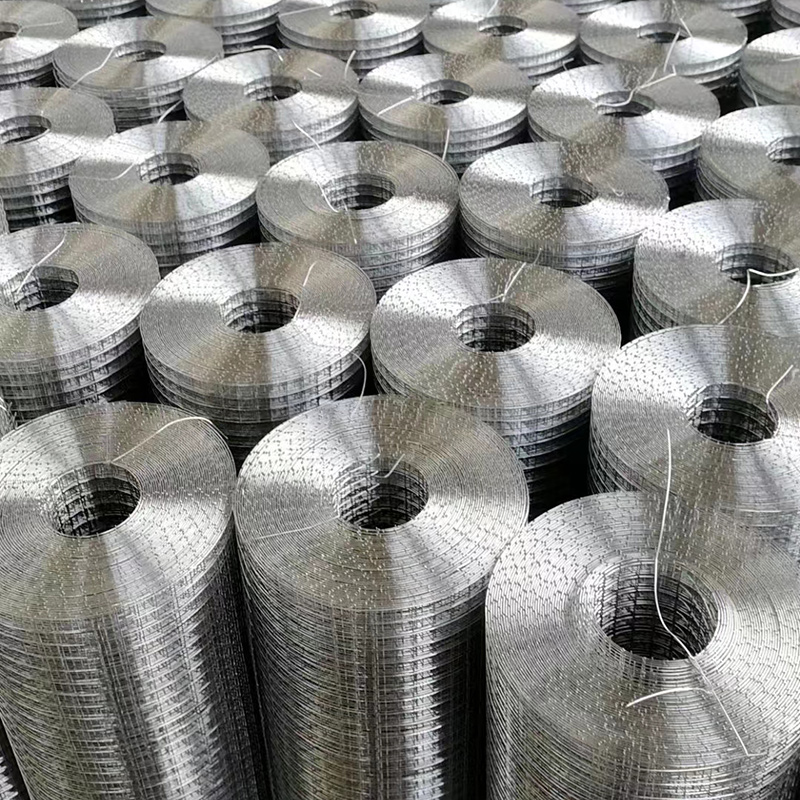
• High-Quality Netting
The choice of netting material significantly impacts the longevity and efficiency of a net pen system. Commonly used materials include polyethylene (PE), nylon, and polypropylene. PE is cost-effective but less durable; nylon offers high strength and abrasion resistance but is susceptible to UV degradation; and polypropylene balances cost and durability. However, the quality of these materials, and the weaving technique, are paramount. HT Mesh Machines specializes in producing netting from high-tenacity materials with UV stabilizers, significantly extending the lifespan of the nets and reducing replacement costs.
Sustainable net pen farming requires careful consideration of environmental impacts. Proper site selection is crucial, avoiding sensitive ecosystems and areas with strong currents. Effective waste management systems are essential to minimize pollution. Furthermore, responsible stocking densities and disease prevention strategies are vital to maintain fish health and prevent escapes. Choosing durable, long-lasting netting, like the products offered by HT Mesh Machines, contributes to sustainability by reducing the need for frequent replacements.
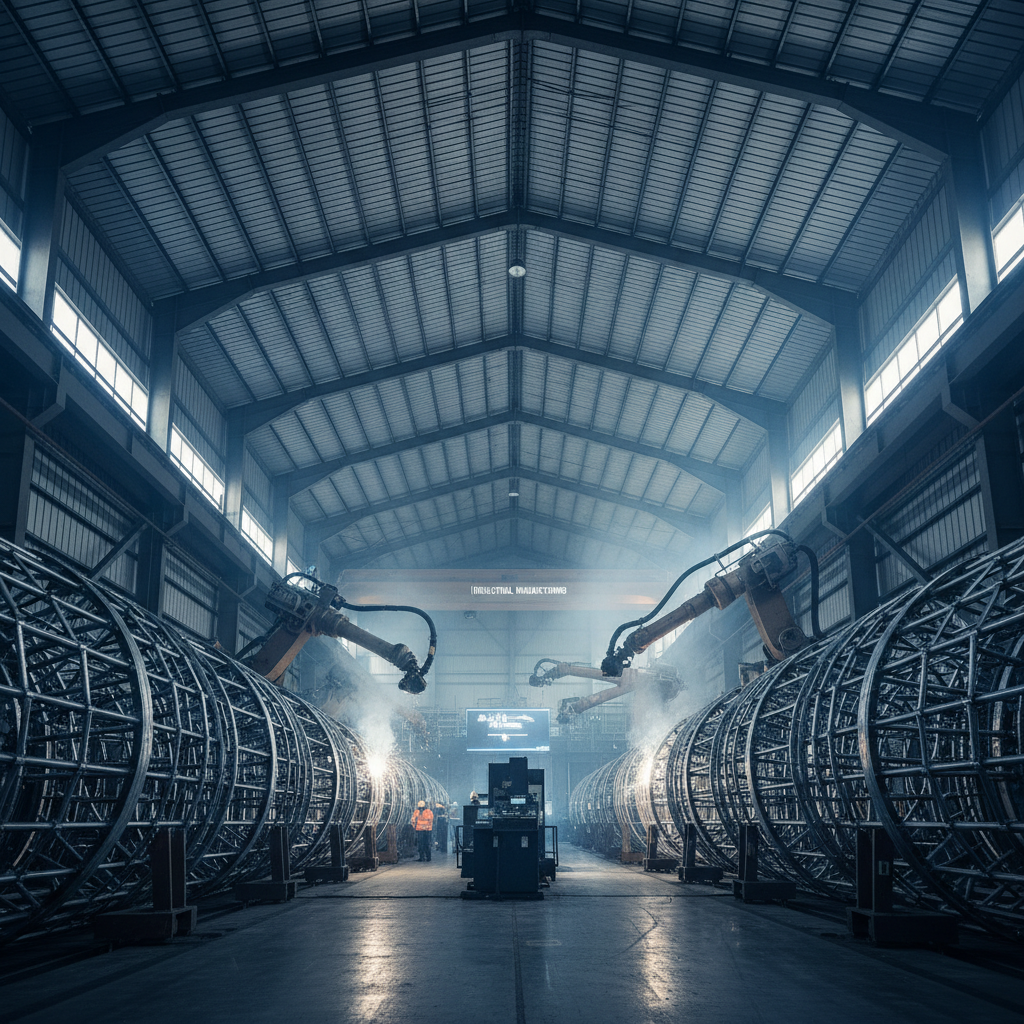
The future of net pen farming is likely to be shaped by technological advancements and a growing emphasis on sustainability. We can expect to see increased use of automated monitoring systems, advanced feeding technologies, and more robust and environmentally friendly netting materials. Offshore net pen farming, utilizing deeper and more exposed waters, is also gaining traction. The development of closed-containment net pen systems, which further minimize environmental impact, is another exciting area of innovation. Ultimately, the success of these advancements will rely on continued investment in research and the adoption of best practices, including sourcing high-quality equipment from reputable suppliers like HT Mesh Machines.
Investing in robust, durable, and environmentally responsible equipment is paramount for success in net pen farming. HT Mesh Machines provides the netting solutions you need to build a sustainable and profitable aquaculture operation. By choosing quality materials and implementing best practices, you can ensure the long-term health of your fish stocks and the surrounding environment.
The lifespan of net pen netting varies greatly depending on the material, water conditions, and maintenance practices. Standard polyethylene netting may last 1-2 years, while high-tenacity polypropylene or nylon netting with UV stabilizers can last 3-5 years or longer. Netting from HT Mesh Machines is designed for extended durability, often exceeding 5 years, due to its high-quality materials and construction techniques. Regular inspection and cleaning are essential to maximize the lifespan of any netting.
Several factors are crucial when selecting a net pen location. Water quality, including oxygen levels, temperature, and salinity, is paramount. The site should have sufficient water flow to maintain oxygenation and remove waste. Consider the potential for storms and strong currents. Avoid areas with sensitive ecosystems or high recreational use. Finally, ensure the site has easy access for feeding, harvesting, and maintenance. Local regulations and permitting requirements must also be addressed.
Biofouling, the accumulation of marine organisms on netting, can reduce water flow and increase drag. Regular netting cleaning is the most effective method for prevention. Anti-fouling coatings can also be applied, but they require careful consideration of environmental impacts. Selecting netting materials that resist biofouling, such as those offered by HT Mesh Machines, can also help minimize the problem. Proper site selection and water management can also reduce biofouling rates.
Maintaining appropriate stocking density is crucial for fish health and growth. Overcrowding can lead to stress, disease outbreaks, and reduced growth rates. The optimal stocking density depends on the species, water quality, and the pen's design. It's important to consider the fish's oxygen requirements and waste production capacity. Regular monitoring of water quality and fish health is essential to adjust stocking densities as needed. Consult with aquaculture experts to determine the appropriate density for your specific operation.